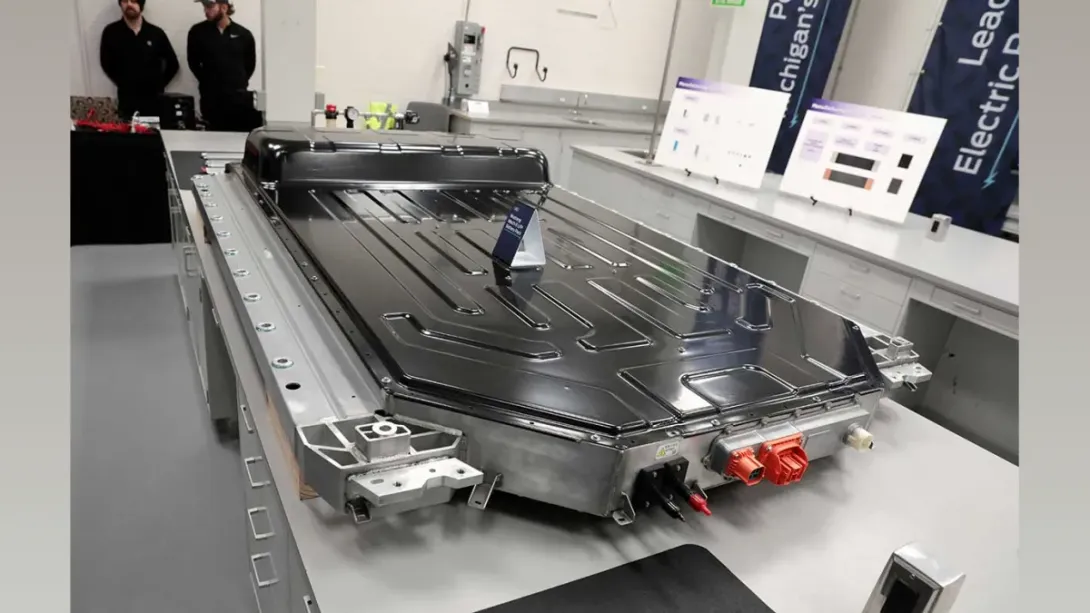
India’s electric mobility sector is accelerating into a phase of unprecedented expansion, with national EV battery demand projected to soar to 256.3 gigawatt-hours (GWh) by 2032. This remarkable scale-up—over 14 times the current requirement—reflects the convergence of government incentives, rising consumer adoption, and rapid advancements in battery technology. As automakers broaden their EV portfolios and infrastructure strengthens across major cities, the battery ecosystem is emerging as a critical pillar in India’s energy transformation. The surge also highlights opportunities and challenges ahead, including the need for robust domestic manufacturing, secure supply chains and aggressive innovation to reduce import dependence.
Massive Growth Forecast for India’s EV Battery Sector
India’s EV battery demand is expected to jump from 17.7 GWh in 2025 to 256.3 GWh by 2032, marking one of the fastest expansions globally in the EV ecosystem. This meteoric rise represents a compound annual growth rate exceeding 35 percent, signalling a decisive shift away from fossil-fuel-dependent mobility.
The projection reflects substantial growth across all EV segments: two-wheelers, three-wheelers, passenger cars and light commercial vehicles. As consumers gain confidence in performance and long-term cost savings, the transition is likely to accelerate faster than earlier anticipated.
Policy Momentum Strengthening National EV Goals
India’s policy landscape has played an instrumental role in shaping the country’s EV ambitions. Subsidy schemes, state incentives, the FAME-II program, and the Production-Linked Incentive (PLI) framework for advanced cell manufacturing have collectively helped drive adoption.
Equally significant is the government’s focus on expanding nationwide charging networks and promoting domestic battery manufacturing. These measures are reducing barriers to entry for both consumers and industry players, strengthening investor confidence and positioning India as a future manufacturing hub for energy-storage technologies.
Technology Innovations Fueling Market Transformation
The next wave of growth will be defined by breakthroughs in battery technology. Manufacturers are shifting toward lithium iron phosphate (LFP) systems and Gen-4 chemistries, which offer longer life cycles, enhanced safety and competitive production costs.
Emerging alternatives such as sodium-ion and early-stage solid-state batteries are expected to diversify India’s energy-storage landscape in the coming decade. These innovations could reduce dependency on scarce minerals like cobalt and nickel while lowering the overall cost curve, making EVs more accessible to mainstream buyers.
Supply Chain Vulnerabilities and Domestic Gaps
Despite robust demand projections, India faces significant challenges. The domestic supply chain remains heavily reliant on imported cells, cathode materials and critical minerals. As geopolitical frictions reshape global trade, ensuring material security becomes a strategic priority.
High capital expenditure requirements for gigafactories, limited raw-material reserves and dependency on foreign technology present barriers to self-reliance. Industry leaders continue to call for targeted investments in mining partnerships, recycling ecosystems and R&D to strengthen India’s long-term resilience.
Economic Opportunity and Strategic Relevance
The anticipated surge in battery demand has profound economic implications. A mature domestic battery manufacturing ecosystem can generate thousands of high-skill jobs, reduce the current-account burden, and stimulate extensive downstream industries—from electronics to renewable energy storage.
For investors, the sector offers significant potential in manufacturing, infrastructure development, ancillary production and recycling technologies. As EV adoption widens beyond major metro areas, the market’s addressable value is set to multiply.
The Road Ahead: Building a Sustainable Battery Ecosystem
To capitalize on this transformative growth curve, India will need to prioritize:
- Rapid expansion of domestic gigafactory capacity
- Strengthening mineral supply partnerships and recycling frameworks
- Continued policy support aligned with long-term manufacturing goals
- Deep investment in R&D for next-generation energy-storage technologies
The next decade will be pivotal in determining India’s position in the global EV hierarchy. If the current momentum is sustained, the nation may not only meet domestic demand but also emerge as a competitive exporter of advanced battery systems.
Comments