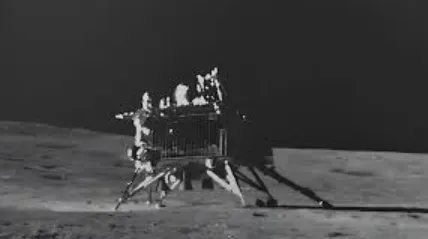
India’s Chandrayaan-3 mission has delivered new scientific insights indicating that the Moon’s surface hosts a more active electrical environment than earlier missions suggested. Data gathered by onboard instruments reveal complex interactions between lunar dust, surface charges and the surrounding plasma environment, particularly in the Moon’s polar regions. These findings deepen scientific understanding of lunar surface behavior and carry important implications for future crewed missions, long-duration equipment deployment and habitat design. The results reinforce the Moon’s status not as a dormant celestial body, but as a dynamic environment shaped by subtle yet significant physical processes.
New Insights from Chandrayaan-3
Chandrayaan-3’s instruments have detected variations in electrical activity near the lunar surface, challenging long-held assumptions that the Moon is largely inert from an electromagnetic perspective. Scientists observed fluctuations in surface charging caused by solar radiation and interactions with the solar wind.
Such electrical behavior influences how fine lunar dust particles move and adhere to surfaces, a phenomenon that has practical consequences for exploration hardware and astronaut safety.
Why the Lunar Electrical Environment Matters
The Moon lacks a substantial atmosphere, leaving its surface directly exposed to solar radiation and charged particles from space. This exposure leads to the buildup of electrostatic charges, particularly during transitions between lunar day and night.
Chandrayaan-3’s findings suggest these effects may be stronger and more variable than previously understood. For future missions, this raises important considerations for the design of landers, rovers and spacesuits, all of which must operate reliably in an electrically active setting.
Implications for Future Lunar Missions
As multiple space agencies plan long-term lunar exploration, including human presence near the south pole, understanding surface conditions has become increasingly critical. Electrostatic dust can interfere with instruments, reduce solar panel efficiency and pose health risks to astronauts if inhaled or embedded in equipment.
The new data will help engineers refine mitigation strategies, from improved materials to better shielding and operational protocols.
Strengthening India’s Role in Lunar Science
The findings further elevate India’s standing in global space research. Chandrayaan-3 has not only demonstrated precision landing capabilities but has also contributed meaningful scientific knowledge to the international community.
By focusing on in-situ measurements rather than remote observation alone, the mission has expanded the scope of lunar science and opened new avenues for collaborative research.
A Moon More Complex Than It Appears
Chandrayaan-3’s discoveries underscore a broader truth about space exploration: even familiar celestial bodies can hold surprises. The Moon, long viewed as geologically quiet, continues to reveal layers of complexity that demand careful study.
As exploration efforts accelerate, these insights will play a vital role in shaping safe, sustainable and scientifically productive missions—ensuring that humanity’s return to the Moon is guided by a deeper understanding of its true nature.
Comments