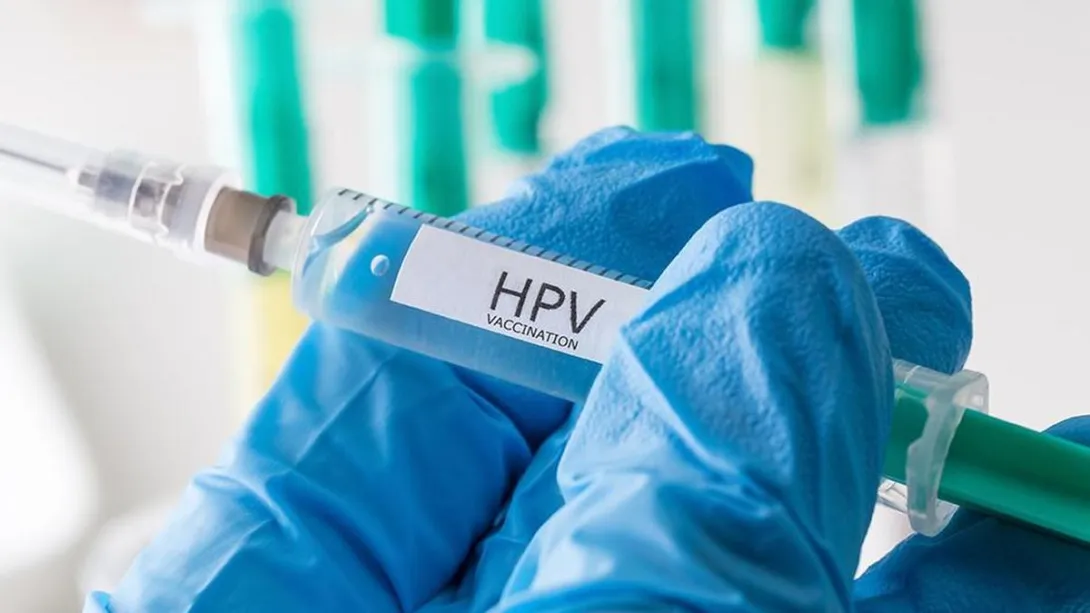
Efforts to expand human papillomavirus (HPV) vaccination are gaining renewed momentum as health authorities, policymakers and medical professionals intensify the fight against cervical cancer. Mounting evidence shows that widespread immunization can dramatically reduce infection rates linked to the disease, which remains one of the leading causes of cancer-related deaths among women. Governments are strengthening public health campaigns, improving access through school-based programs and addressing vaccine hesitancy through awareness initiatives. The push reflects a broader shift toward preventive healthcare, positioning HPV vaccination as a cost-effective, long-term strategy to reduce disease burden and improve women’s health outcomes.
Cervical Cancer and the Role of HPV
Cervical cancer is primarily caused by persistent infection with high-risk strains of the human papillomavirus, a common virus transmitted through close contact. Medical research has established a direct link between HPV and the majority of cervical cancer cases, making prevention strategies particularly effective in this area.
Health experts emphasize that while regular screening remains essential, vaccination offers protection before exposure occurs, significantly lowering lifetime risk.
Expanding Vaccination Coverage
Public health agencies are stepping up efforts to increase HPV vaccination rates, particularly among adolescents. Several states have integrated the vaccine into routine immunization schedules, while others are expanding outreach through schools and community health centers.
By targeting early age groups, authorities aim to maximize immunity well before the onset of risk, a strategy supported by global health organizations and long-term clinical data.
Economic and Healthcare Impact
From a policy perspective, HPV vaccination is increasingly viewed as a high-return public health investment. Preventing cervical cancer reduces long-term treatment costs, eases pressure on healthcare systems and minimizes productivity losses associated with illness and premature mortality.
Health economists note that preventive vaccination programs are significantly more cost-effective than late-stage cancer treatment, particularly in low- and middle-income populations where access to advanced care may be limited.
Addressing Awareness and Hesitancy
Despite proven benefits, vaccine hesitancy remains a challenge in some regions. Misinformation, cultural stigma and lack of awareness have slowed adoption rates. In response, health authorities are prioritizing education campaigns that emphasize safety, efficacy and the vaccine’s role in cancer prevention rather than its association with infection.
Medical professionals stress that informed decision-making, supported by credible data, is central to improving acceptance.
Toward Elimination of Cervical Cancer
Global health bodies have set ambitious targets to eliminate cervical cancer as a public health problem within the coming decades. Widespread HPV vaccination, combined with regular screening and early treatment, forms the backbone of this strategy.
As momentum builds, experts say success will depend on sustained political commitment, adequate funding and coordinated implementation. The growing focus on HPV vaccination marks a decisive step toward a future where cervical cancer is no longer a leading threat to women’s health.
Comments