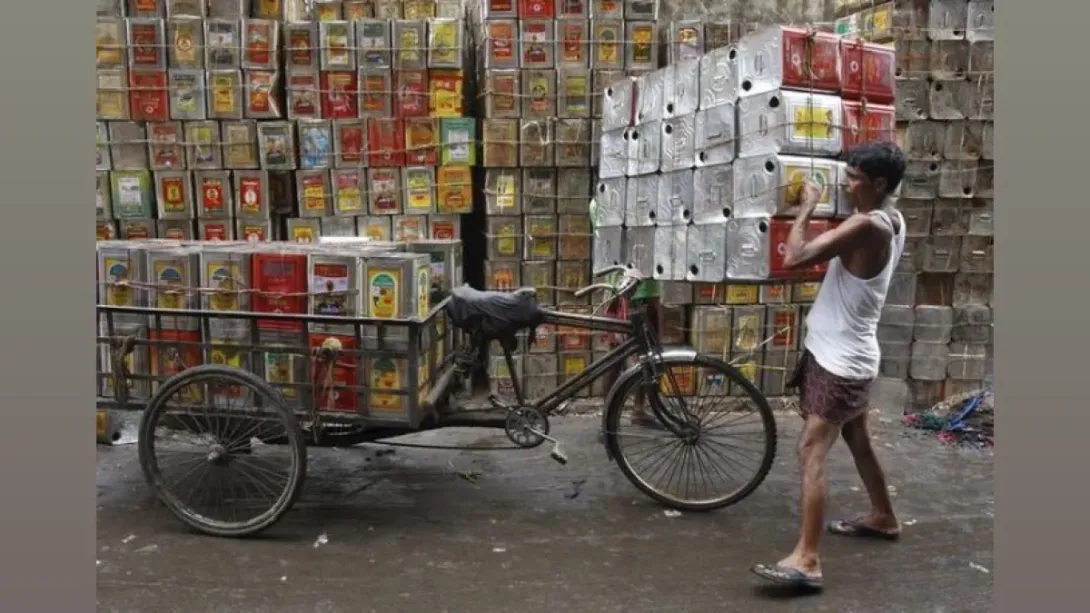
India’s vegetable oil imports declined sharply by 28% in November, reflecting shifts in global supply, domestic price trends, and changing consumption patterns. The fall was primarily driven by reduced palm and soybean oil shipments, amid tighter international availability and elevated global prices earlier in the year. Analysts note that government policies, including import duty adjustments and efforts to boost domestic oilseed production, may also have contributed to the moderation. The slowdown in imports could have implications for domestic pricing, trade balances, and inflation in the edible oils sector, highlighting the interconnected dynamics between global markets and India’s food commodity supply chains.
Import Decline and Contributing Factors
Data from the commerce ministry indicates that total vegetable oil imports dropped by 28% year-on-year in November. Palm oil, which constitutes the largest share of India’s edible oil consumption, saw a noticeable decline due to constrained shipments from Southeast Asian suppliers.
Soybean and sunflower oil imports were also lower, as rising domestic availability and competitive pricing dynamics influenced procurement decisions. Traders cited cautious buying ahead of seasonal price fluctuations and logistical considerations as additional factors.
Role of Domestic Production and Policy Measures
Government initiatives aimed at boosting domestic oilseed production, including incentives for cultivation and processing, are beginning to influence import demand. Import duty adjustments on select oils have also made domestic alternatives more competitive, contributing to the moderation in overseas purchases.
Analysts suggest that these policy measures, combined with seasonal harvest trends, may provide longer-term support to India’s edible oil self-sufficiency goals.
Price Dynamics and Consumer Impact
The moderation in imports may help stabilize domestic vegetable oil prices, which had experienced volatility earlier due to global supply disruptions and currency fluctuations. While short-term supply constraints could create localized pressure on prices, overall inflationary impact is expected to remain contained if domestic procurement aligns with market demand.
Retail prices for cooking oils remain an important factor for household budgets, especially in urban and semi-urban areas where edible oils form a significant portion of food expenditure.
Implications for Trade and Market Outlook
India’s reliance on edible oil imports has historically influenced trade balances and foreign exchange considerations. A 28% drop in November highlights the sensitivity of imports to global price movements, policy shifts, and domestic production cycles.
Looking ahead, analysts expect import volumes to gradually normalize, but the trend underscores the importance of diversifying sources, enhancing domestic output, and managing stock levels to ensure market stability.
Conclusion
The November decline in vegetable oil imports reflects a convergence of global and domestic factors shaping India’s edible oil market. While offering potential relief on pricing and trade fronts, stakeholders will need to monitor international supply, domestic crop yields, and policy measures to navigate ongoing volatility and secure sustainable supply chains for consumers and industry alike.
Comments