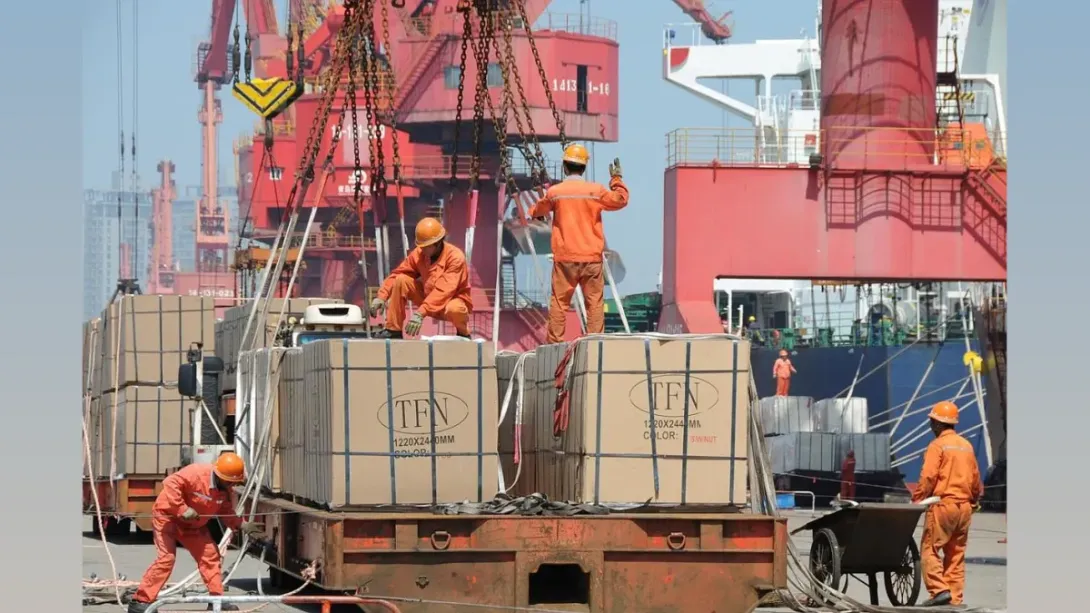
India’s exports to China have recorded a notable upswing, driven primarily by higher shipments of petroleum products and electronic goods. The growth reflects shifting trade dynamics between the two Asian economies, as India strengthens its position in select high-value segments despite a broader trade imbalance. Industry experts attribute the rise to improved refining capacity, competitive pricing and expanding electronics manufacturing capabilities. While challenges remain, particularly in narrowing the trade deficit, the latest export data signals India’s growing integration into regional supply chains and highlights opportunities for deeper commercial engagement with the world’s second-largest economy.
Petroleum Products Lead Export Growth
Petroleum products have emerged as the largest contributor to India’s rising exports to China. Higher refining throughput and strong global demand have enabled Indian exporters to capitalize on favorable pricing conditions. Analysts note that India’s sophisticated refining infrastructure allows it to process and re-export petroleum products competitively, even to markets traditionally dominated by large producers.
This trend underscores India’s evolving role from a net importer of crude to a significant exporter of value-added petroleum products, enhancing its trade leverage in the region.
Electronics Shipments Show Structural Gains
Electronics exports have also posted robust growth, reflecting the gradual maturation of India’s electronics manufacturing ecosystem. Increased production of components, consumer electronics and industrial equipment has supported higher outbound shipments to China.
Policy initiatives aimed at boosting domestic manufacturing, coupled with supply chain diversification by global firms, have helped Indian exporters gain a foothold in segments where China remains both a competitor and a key market.
Trade Dynamics and Strategic Implications
Despite the surge in exports, China continues to account for a substantial share of India’s overall trade deficit. Economists caution that while export growth is encouraging, sustained progress will require diversification into higher-value products and services.
At the same time, rising exports in petroleum and electronics point to selective competitiveness, suggesting that targeted industrial policies can yield tangible trade outcomes even in complex bilateral relationships.
Industry View: Opportunities Amid Challenges
Exporters and trade bodies view the latest data as a signal of opportunity rather than a turning point. They emphasize the need for continued investment in technology, logistics and quality standards to maintain momentum.
Improved market access, predictable trade policies and stronger industry collaboration could further enhance India’s export performance, particularly in sectors aligned with global demand trends.
Outlook: Gradual Rebalancing Through Value Addition
Looking ahead, analysts expect India’s exports to China to remain sensitive to global commodity cycles and technology demand. However, steady gains in value-added sectors such as petroleum products and electronics could support a gradual rebalancing of trade ties.
For India, the focus now shifts to sustaining competitiveness, scaling manufacturing capacity and leveraging export growth as a catalyst for deeper integration into global and regional value chains.
Comments