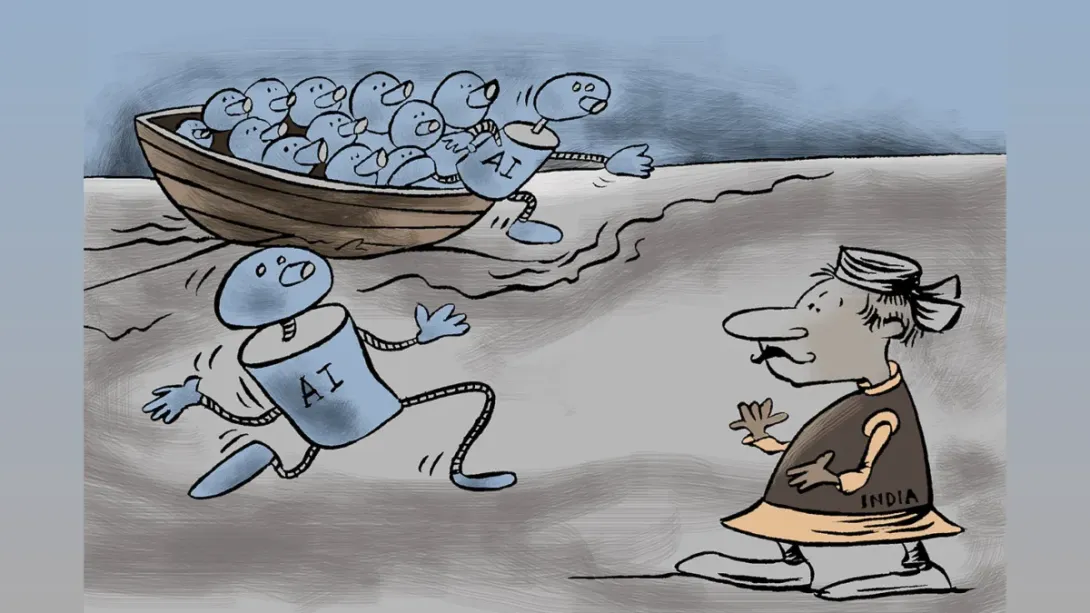
The workplace of 2026 is poised for a fundamental transformation as artificial intelligence, shifting employee expectations and expanding compliance requirements converge, according to a recent industry report. Businesses are moving beyond experimental use of AI toward full-scale deployment, reshaping job roles and operational models. At the same time, employees are demanding flexibility, meaningful work and continuous learning, forcing organizations to rethink talent strategies. Heightened regulatory scrutiny around data, ethics and labor practices is adding complexity to this transition. The report concludes that companies aligning technology, people and governance will be better equipped to sustain growth and resilience.
AI Becomes Core to Business Operations
The report highlights that artificial intelligence will become deeply embedded across enterprise functions by 2026. Organizations are expected to rely on AI for analytics, customer engagement, process automation and risk assessment, driving productivity and faster decision-making.
However, the shift also brings increased responsibility. Companies are being urged to establish robust oversight mechanisms to ensure AI systems are transparent, fair and aligned with organizational values.
Workforce Roles Continue to Evolve
As AI takes on repetitive and rule-based tasks, employee roles are expected to shift toward higher-value activities requiring judgment, creativity and emotional intelligence. The report emphasizes that job redesign will be essential to fully capture the benefits of automation.
Investment in reskilling and upskilling is identified as a strategic priority, with organizations that foster continuous learning likely to attract and retain top talent in a competitive labor market.
Compliance and Governance Gain Prominence
Regulatory expectations are set to intensify alongside technological advancement. Data privacy, cybersecurity, AI ethics and labor regulations are emerging as critical compliance areas that demand proactive management.
The report notes that forward-looking organizations are integrating compliance into their digital transformation strategies, treating governance as an enabler of trust rather than a constraint on innovation.
Leadership and Culture Under the Spotlight
Effective leadership will play a defining role in navigating the future workplace. Managing hybrid teams, maintaining employee engagement and ensuring ethical use of technology will require adaptability and clear communication.
The report underscores that a strong organizational culture, grounded in transparency and inclusion, will be vital in sustaining performance during periods of rapid change.
Looking Ahead: Strategy Built on Balance
The convergence of AI, workforce transformation and regulatory complexity is reshaping the modern enterprise. The report concludes that long-term success will depend on balancing innovation with accountability.
Organizations that align technological progress with human-centric policies and strong compliance frameworks are expected to emerge as leaders in the workplace of 2026 and beyond.
Comments