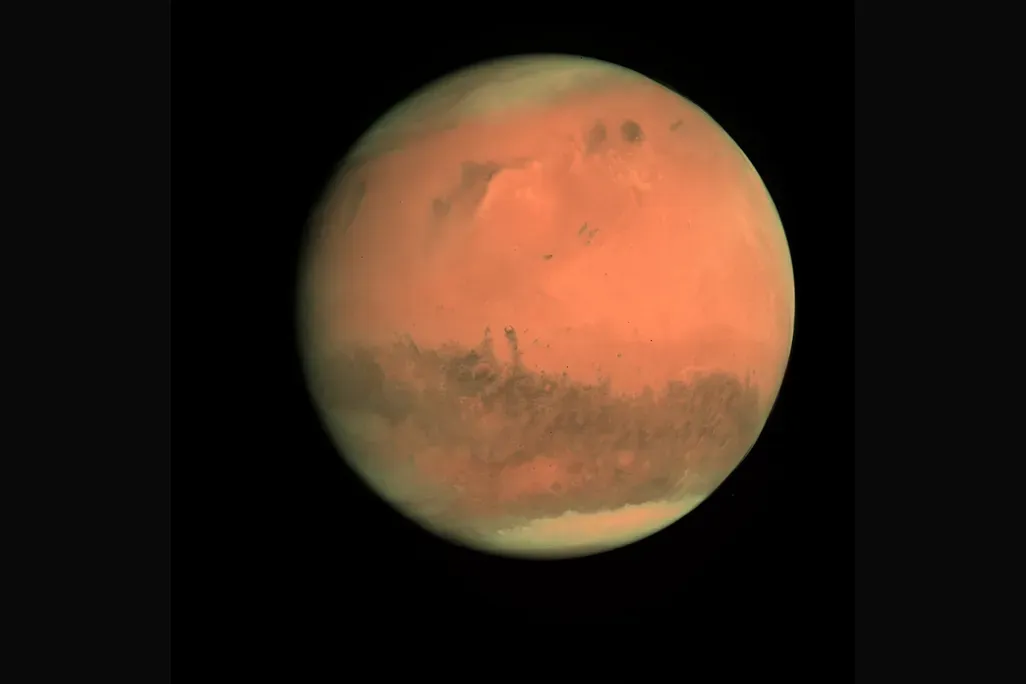
The concept of time on Mars presents unique scientific and operational challenges, highlighting stark differences from Earth’s standardized 24-hour day. A Martian day, or sol, lasts approximately 24 hours, 39 minutes, and 35 seconds, requiring specialized timekeeping for space missions, research, and communication with Earth. Engineers and scientists have developed Martian clocks, calendars, and scheduling systems to accommodate this extra 39 minutes per sol, ensuring accuracy in rover operations and human exploration plans. Understanding these differences is critical not only for current robotic missions but also for future crewed expeditions, illustrating the complexities of interplanetary synchronization and the science of time in extraterrestrial environments.
Martian Day vs Earth Day
While Earth maintains a consistent 24-hour day, Mars rotates slightly slower, producing a sol that exceeds an Earth day by roughly 39 minutes. This discrepancy necessitates adjustments in timekeeping for all Martian operations, including rover commands, scientific observations, and communication schedules with Earth-based teams.
Timekeeping on Mars is particularly crucial for solar-powered missions, where energy collection and system activity depend on precise synchronization with daylight periods.
Specialized Martian Clocks
Scientists have developed clocks that track Martian sols, integrating them into mission control software and onboard systems for rovers and landers. These clocks account for the incremental daily difference, enabling accurate scheduling of experiments, data transmission, and autonomous operations.
Mission planners often employ hybrid timekeeping strategies, maintaining Earth time for ground teams while operating Martian clocks locally to optimize efficiency and reduce errors in synchronization.
Implications for Human Exploration
For future crewed missions, living on Mars will require adopting new time conventions. Sleep cycles, work schedules, and social activities must accommodate the longer sol, while calendar systems may be redesigned to reflect Martian orbital periods and seasonal variations.
Behavioral and physiological research is already underway to understand the impact of the extended day on circadian rhythms, productivity, and mental health, ensuring that astronauts can maintain operational and personal well-being.
Broader Scientific and Technological Significance
Understanding Martian time contributes to broader scientific insights in planetary science, astronomy, and interplanetary navigation. Accurate synchronization is essential for multi-planet communication networks, autonomous systems, and coordination between Earth and Mars, forming a cornerstone of interplanetary exploration infrastructure.
Comments