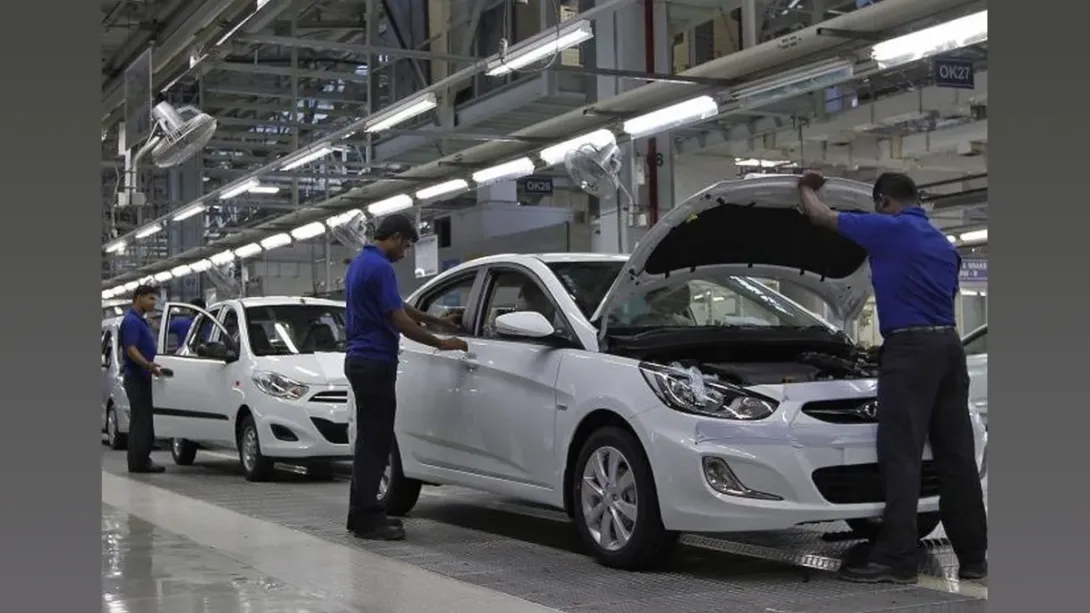
India’s automobile industry is expected to sustain its growth momentum through 2026, supported by stable economic conditions, improving consumer sentiment and a gradual shift toward higher-value vehicles. While growth rates are likely to moderate from recent highs, demand across passenger vehicles, select two-wheeler categories and commercial vehicles remains resilient. Automakers are increasingly focusing on premium offerings, technology upgrades and electrification to protect margins and drive long-term expansion. Policy support, infrastructure spending and easier access to financing continue to underpin the outlook, even as cost pressures and regulatory transitions present near-term challenges for manufacturers.
A Steady Growth Outlook
The Indian auto industry is entering a phase of more balanced expansion, with growth expected to hold through 2026. Analysts suggest that the sector is moving away from volatile cycles toward a steadier demand environment, driven by replacement demand and rising urbanization. While overall volume growth may normalize, the value of sales is projected to increase as consumers opt for feature-rich and higher-priced vehicles.
Passenger Vehicles Drive Value Growth
Passenger vehicles are set to remain the primary growth driver, led by strong demand for SUVs and mid- to high-end models. Automakers have realigned product portfolios to capitalize on this trend, emphasizing safety features, connectivity and design. The shift toward premiumization has helped manufacturers offset input cost pressures and improve profitability, even in a competitive market.
Mixed Trends Across Two-Wheelers and Commercial Vehicles
The two-wheeler segment is expected to post measured growth, with premium motorcycles and scooters outperforming entry-level models. Rural demand is showing gradual improvement but remains sensitive to income fluctuations. Commercial vehicles, meanwhile, continue to benefit from sustained public and private infrastructure spending, though growth in this segment is likely to remain cyclical and closely tied to broader economic activity.
Electrification and Technological Transition
Electric vehicles are gaining traction as automakers accelerate investments in clean mobility. Policy incentives, localization efforts and the expansion of charging infrastructure are supporting adoption, particularly in urban markets. Although EV penetration remains at an early stage, it is increasingly shaping product strategies and capital allocation decisions across the industry.
Challenges on the Horizon
Despite a constructive outlook, the sector faces headwinds. Commodity price volatility, evolving emission norms and potential interest rate fluctuations could influence demand and margins. Automakers are responding by optimizing costs, strengthening supply chains and diversifying product offerings.
Outlook for 2026
Overall, India’s auto industry is expected to maintain its growth path through 2026, underpinned by strong structural fundamentals. While growth may vary by segment, the industry’s focus on innovation, premiumization and sustainability positions it well to navigate near-term challenges and capitalize on long-term opportunities.
Comments