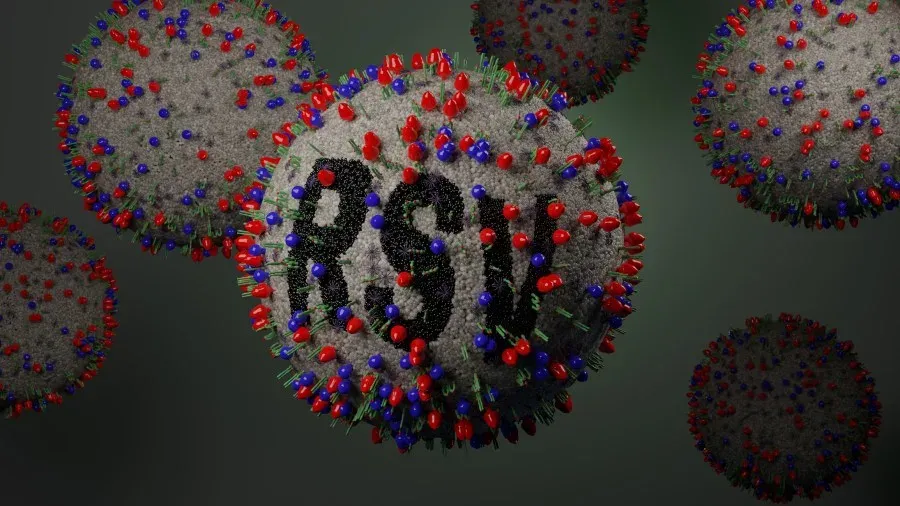
Respiratory syncytial virus, or RSV, has moved to the forefront of global public health discussions as new vaccines reshape prevention strategies for vulnerable populations. Long regarded as a serious threat to infants, older adults, and people with compromised immunity, RSV has historically lacked effective preventive tools. Recent advances in vaccine development, however, are changing that narrative. Health authorities and pharmaceutical companies are accelerating efforts to expand access, guided by encouraging clinical data and rising awareness of RSV’s economic and healthcare burden. The focus is now on rollout, affordability, and long-term impact on healthcare systems.
Why RSV Has Become a Policy Priority
RSV is a leading cause of lower respiratory tract infections worldwide, often resulting in hospitalizations among infants and seniors. Seasonal surges place considerable strain on healthcare infrastructure, particularly during winter months when influenza and other respiratory illnesses peak simultaneously. Policymakers now recognize RSV as not merely a pediatric concern but a cross-generational risk requiring proactive intervention.
Breakthroughs in Vaccine Development
After decades of limited progress, recent scientific breakthroughs have delivered effective RSV vaccines, particularly for older adults and pregnant women. These vaccines are designed to stimulate immunity against the virus’s fusion protein, a critical component in infection. Clinical trials have demonstrated strong efficacy in reducing severe disease, marking a turning point in RSV prevention.
Market Dynamics and Industry Response
Pharmaceutical companies have rapidly positioned RSV vaccines as a new growth segment within the global vaccine market. Investments in manufacturing capacity and distribution networks are increasing, reflecting expectations of sustained demand. Analysts note that RSV vaccines could become a multibillion-rupee opportunity as immunization guidelines expand and adoption rates rise across regions.
Implications for Healthcare Costs
Preventing RSV-related hospitalizations could significantly reduce healthcare expenditure. Severe RSV infections often require intensive care, particularly among older adults. Widespread vaccination has the potential to lower emergency admissions and ease pressure on public hospitals, creating long-term savings for health systems already grappling with rising costs.
Access, Awareness, and Equity Challenges
Despite scientific progress, challenges remain. Vaccine awareness among the public is still developing, and pricing will play a critical role in adoption, especially in low- and middle-income countries. Governments and health agencies are expected to negotiate pricing structures and consider inclusion in national immunization programs to ensure equitable access.
The Road Ahead
Experts believe RSV vaccination will soon become a routine part of adult and maternal immunization strategies. Ongoing studies are expected to refine dosing schedules and evaluate long-term protection. As data accumulates, RSV vaccines are poised to shift from a scientific milestone to a cornerstone of preventive respiratory care, reshaping public health outcomes over the next decade.
Comments