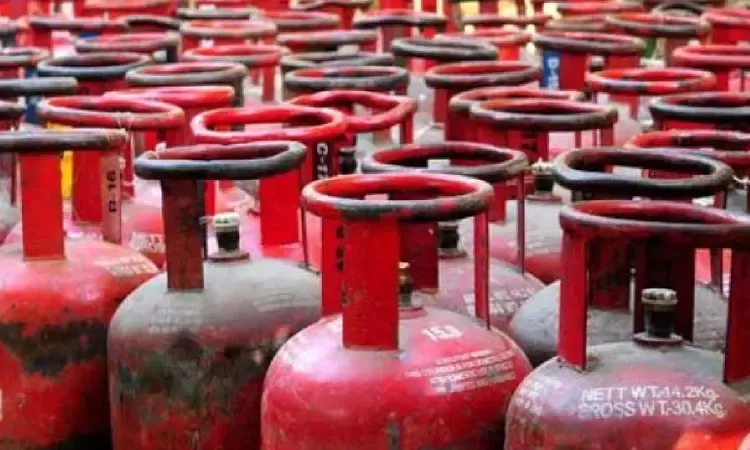
India’s oil marketing companies have introduced significant cuts in the prices of commercial liquefied petroleum gas (LPG) and aviation turbine fuel (ATF), responding to softening global crude oil benchmarks. This move comes as part of a broader recalibration amid waning international fuel demand, exacerbated by trade tensions and recessionary pressures. While commercial LPG used in hospitality sectors has seen back-to-back reductions, domestic cooking gas prices remain static following a prior hike. The ATF price, critical for the aviation industry, has been lowered for the second time in a month, potentially easing operational costs for airlines navigating post-pandemic recovery and inflationary headwinds.
LPG Prices Cut for Commercial Use, Households Left Unaffected
In a strategic response to declining global oil benchmarks, oil marketing companies in India have slashed the price of commercial LPG cylinders by Rs. 14.50 per 19-kg unit. This reduction follows a previous cut of Rs. 41 per cylinder on April 1, marking a consistent downward trajectory in commercial gas pricing. These cylinders, widely used in the hospitality sector, including hotels and restaurants, are closely tied to international fuel price movements.
However, the relief does not extend to domestic users. The cost of a 14.2-kg LPG cylinder for household consumption remains unchanged at Rs. 853. This follows a Rs. 50 increase implemented last month, signaling a cautious stance by retailers amid volatile global market conditions. The differential pricing reflects the government’s intent to balance subsidy mechanisms with fiscal responsibility, even as international prices decline.
Aviation Fuel Sees Consecutive Price Cuts, Relief for Airlines
A more substantial shift has been observed in the aviation sector. The price of aviation turbine fuel (ATF), a key cost component for airlines, was cut by Rs. 3,954.38 per kilolitre—a 4.4 percent reduction—bringing the rate down to Rs. 85,486.80 per kilolitre in Delhi. This marks the second major downward adjustment within a month. On April 1, ATF prices were reduced by 6.15 percent or Rs. 5,870.54 per kilolitre, effectively reversing much of the price inflation from earlier this year.
City-specific rates underscore regional variation due to differing tax structures. In Mumbai, ATF now stands at Rs. 79,855.59 per kilolitre, down from Rs. 83,575.42. Meanwhile, prices in Chennai and Kolkata have adjusted to Rs. 88,494.52 and Rs. 88,237.05 per kilolitre, respectively.
These reductions are timely for India’s aviation industry, which continues to battle elevated operational costs and fluctuating passenger demand. Lower fuel expenses may aid in stabilizing ticket prices and improving profit margins as the summer travel season approaches.
Global Crude Oil Dynamics at the Core
The driving force behind these domestic adjustments lies in the global crude oil market. Brent crude, the most widely recognized international benchmark, has dipped below USD 61 per barrel—its lowest level in over three years. The decline is largely attributed to concerns surrounding a potential global economic slowdown, trade disputes, and reduced industrial activity—all of which have curtailed the forecast for oil demand.
This market sentiment has a direct trickle-down effect on derivative products such as LPG and ATF. In economies like India, where energy consumption is intimately tied to GDP growth and inflation control, such global shifts necessitate quick and responsive pricing mechanisms.
Implications for the Market and Investors
For investors and stakeholders in the energy and aviation sectors, the latest price developments could signal both opportunity and caution. Companies in the airline industry, for example, may benefit from short-term cost relief, potentially boosting margins and improving quarterly earnings. However, the longer-term outlook remains murky, particularly if oil prices rebound or global demand shocks persist.
Similarly, hospitality businesses reliant on commercial LPG may experience a slight easing in input costs, which could translate to improved operating leverage. Still, the lack of change in domestic LPG prices underscores the delicate policy balance between consumer relief and fiscal prudence.
Conclusion: Strategic Adjustments in a Shifting Global Landscape
India’s recent price cuts for commercial LPG and aviation fuel are emblematic of a broader economic recalibration driven by international forces. While domestic consumers see no relief for now, sectors heavily reliant on these commodities may find temporary breathing room. As oil prices continue to fluctuate amid geopolitical and economic uncertainty, these revisions highlight the crucial role of responsive energy pricing in sustaining industrial and consumer momentum.
Comments