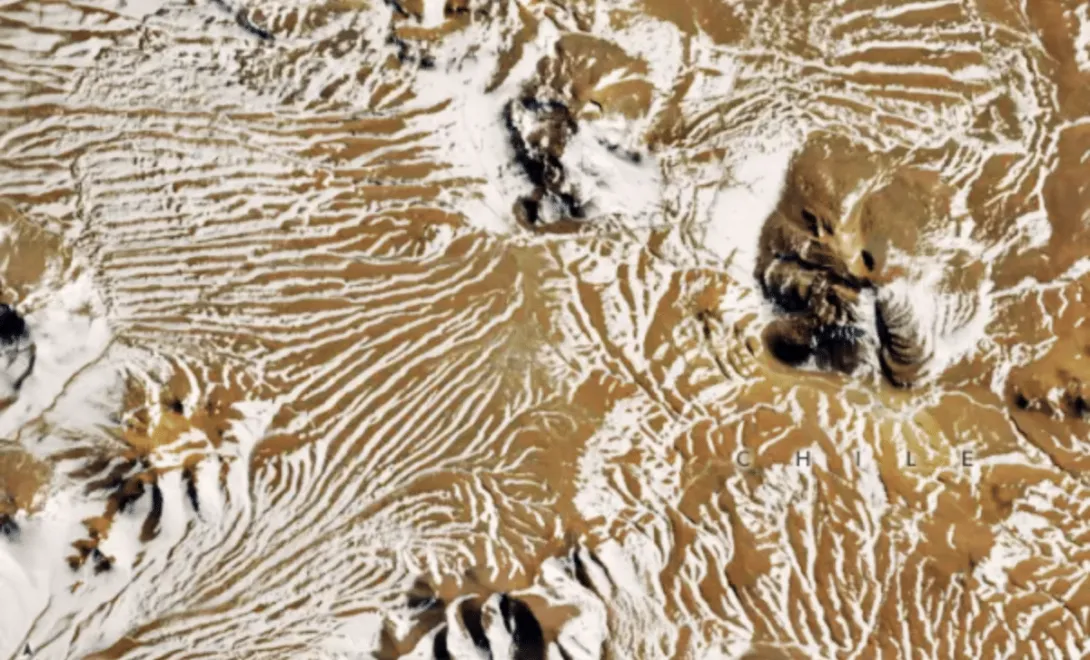
NASA has captured an extraordinary meteorological event: snowfall in one of the planet’s driest regions, highlighting the growing variability of weather patterns in extreme environments. The rare phenomenon, recorded via satellite imagery, offers scientists a unique opportunity to study atmospheric dynamics and climate anomalies in hyper-arid landscapes. Researchers note that such events, though infrequent, provide insights into moisture transport, temperature fluctuations, and the potential impacts of climate change. The occurrence also underscores the role of advanced remote sensing technologies in monitoring extreme weather, enabling timely data collection and analysis in regions otherwise difficult to access for ground-based observations.
The Unusual Snowfall Event
NASA’s satellites recorded snowfall in a desert region renowned for its aridity, where annual precipitation is typically negligible. The event is considered highly unusual, as temperatures rarely drop low enough to support snow accumulation.
Climate scientists highlight that while the snowfall was light and short-lived, it provides critical data on how moisture interacts with extreme topography and atmospheric conditions in hyper-arid zones.
Scientific Significance
The event offers researchers a rare chance to analyze extreme-weather phenomena and their implications for local ecosystems, soil conditions, and atmospheric chemistry. Satellite-based observations allow for precise mapping of snow coverage, duration, and intensity, contributing to models predicting climate variability and weather extremes.
Experts also suggest that studying such anomalies can improve forecasting capabilities for other extreme environments, informing global climate research and disaster preparedness strategies.
Implications for Climate Monitoring
Although isolated, rare snowfall in extremely dry regions may be indicative of larger shifts in weather patterns influenced by climate change. Scientists caution that even minor anomalies can have cascading effects on fragile ecosystems and water availability in desert landscapes.
NASA’s documentation reinforces the importance of continuous monitoring through remote sensing, enabling the collection of high-resolution data critical for understanding the mechanisms driving rare meteorological events.
Conclusion
The recent snowfall captured by NASA in one of Earth’s driest regions is more than a curiosity—it provides vital scientific insight into extreme climate behavior and the interplay of atmospheric forces in arid landscapes. The event emphasizes the value of satellite technology in observing rare natural phenomena and contributes to our broader understanding of how climate variability may manifest in even the most inhospitable parts of the world.
Comments