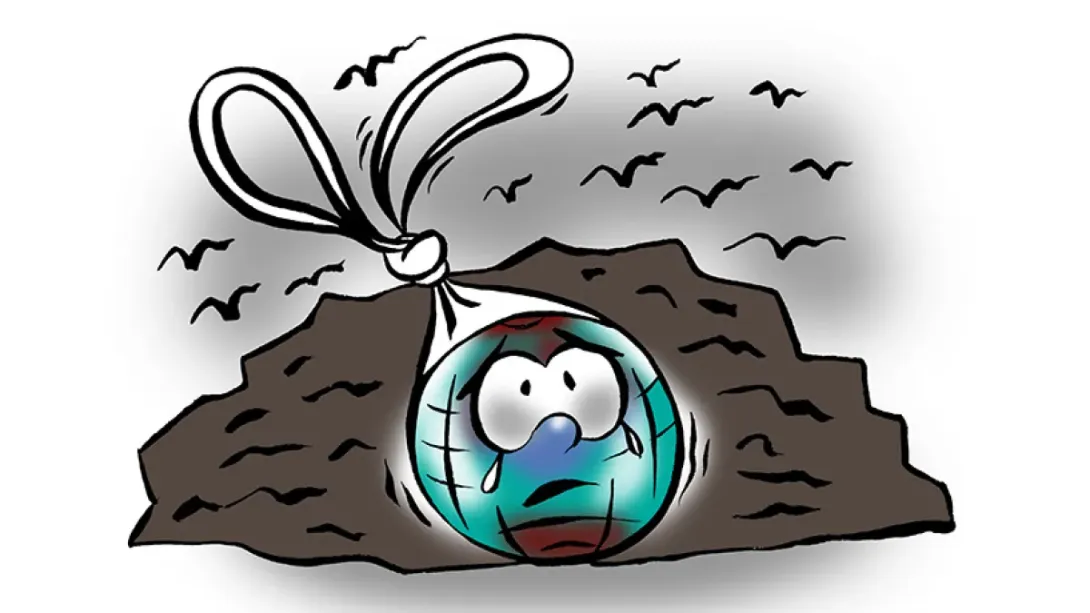
India’s push toward chemical recycling is gaining momentum as policymakers and industry seek solutions to two structural challenges: rising plastic waste and heavy reliance on imported naphtha for petrochemical production. By converting hard-to-recycle plastics into usable hydrocarbon feedstock, chemical recycling presents an opportunity to strengthen domestic supply chains while advancing circular economy goals. Refiners and chemical manufacturers are exploring these technologies to improve feedstock security and reduce environmental impact. Although high capital costs and regulatory uncertainty remain obstacles, experts believe chemical recycling could play a pivotal role in reshaping India’s waste management and petrochemical landscape.
Dependence on Imported Naphtha
Naphtha remains a critical input for India’s petrochemical sector, yet a significant share of domestic demand is met through imports. This dependence exposes manufacturers to global price swings, geopolitical disruptions and currency volatility, increasing production costs and squeezing margins.
As demand for plastics, polymers and specialty chemicals continues to expand, reducing reliance on imported feedstocks has emerged as a strategic imperative. Chemical recycling offers a pathway to partially substitute imported naphtha with domestically produced alternatives.
Mounting Plastic Waste Pressures
India generates vast quantities of plastic waste each year, much of which cannot be processed through conventional mechanical recycling due to contamination or complex material composition. These limitations have led to growing landfill volumes and environmental degradation.
Chemical recycling technologies can process mixed and low-value plastics that would otherwise be discarded. By converting waste into valuable feedstock, the approach addresses both environmental concerns and resource inefficiency.
Turning Waste Into Feedstock
Chemical recycling methods, including pyrolysis and advanced depolymerization, break plastic waste down into basic hydrocarbons. The output, often in the form of pyrolysis oil, can be refined and used as a substitute for naphtha in existing petrochemical facilities.
For refiners and chemical producers, this creates an opportunity to integrate circular inputs without major changes to infrastructure, improving resilience and sustainability simultaneously.
Economic and Strategic Benefits
Wider adoption of chemical recycling could help lower naphtha imports over time, generating savings in foreign exchange and enhancing energy security. It also supports national sustainability targets by reducing landfill use and lowering lifecycle emissions.
However, commercial viability depends on scale, technology efficiency and supportive regulation. Without incentives and clear standards, deployment may remain limited to pilot projects.
Policy and Industry Collaboration Ahead
Experts emphasize that coordinated action will be critical to unlock the sector’s potential. Clear regulatory frameworks, fiscal incentives and investment in waste-collection infrastructure are essential to ensure reliable feedstock supply.
If effectively supported, chemical recycling could evolve into a strategic pillar of India’s industrial policy, offering a pragmatic solution to waste management challenges while strengthening the petrochemical value chain.
Comments