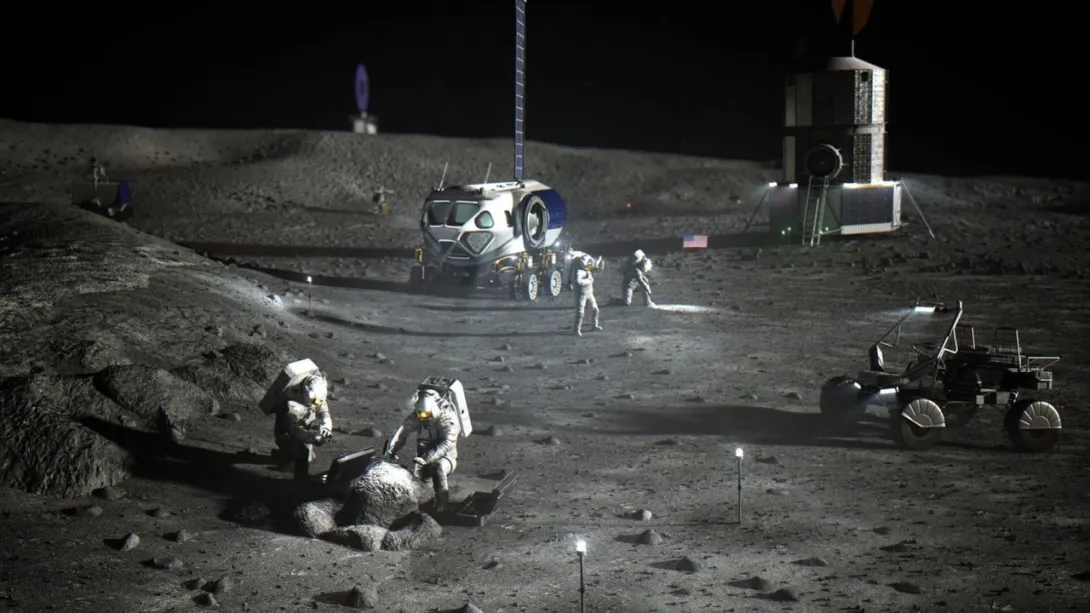
NASA is intensifying efforts to train autonomous robots for operations on Mars, marking a pivotal step in the future of planetary exploration. By combining artificial intelligence, machine learning and simulated Martian environments, the agency aims to equip robotic systems with greater decision-making capability and resilience. These advancements are designed to reduce reliance on real-time human control, which is limited by communication delays between Earth and Mars. Scientists say the initiative will enhance mission efficiency, lower operational risk and pave the way for more ambitious scientific objectives, including long-duration surface exploration and eventual human missions.
Building Smarter Robots for a Hostile Planet
Mars presents one of the most challenging environments for robotic exploration, with extreme temperatures, unpredictable terrain and frequent dust storms. NASA’s latest training programs focus on enabling robots to interpret surroundings, adjust movement and prioritize tasks without constant human intervention.
By exposing robotic systems to high-fidelity simulations that replicate Martian conditions, engineers are teaching machines to respond to hazards and opportunities in real time.
Artificial Intelligence at the Core
At the heart of this effort is the integration of advanced AI models capable of learning from experience. These systems analyze terrain data, assess scientific targets and make navigation decisions independently. Over time, robots refine their performance, reducing errors and improving efficiency.
NASA researchers emphasize that this autonomy is essential, given the communication lag that can stretch to over 20 minutes each way between Earth and Mars.
Implications for Future Missions
Enhanced robotic intelligence could significantly expand the scope of future Mars missions. Autonomous robots can cover more ground, conduct complex experiments and support infrastructure development with minimal oversight.
Such capabilities are also seen as foundational for human exploration, where robots may prepare landing sites, assemble equipment or monitor environmental conditions ahead of crewed arrivals.
Broader Impact on Space and Earth Applications
Beyond Mars, the technology being developed has implications across space exploration and terrestrial industries. Autonomous systems trained for extreme environments can be adapted for disaster response, deep-sea exploration and hazardous industrial operations on Earth.
NASA’s work underscores how space-driven innovation continues to generate broader economic and technological value.
Looking Forward
As robotic autonomy advances, NASA’s approach signals a shift toward more self-reliant exploration strategies. Training robots to think and adapt on Mars is not merely a technical upgrade—it represents a strategic evolution in how humanity explores distant worlds.
Comments