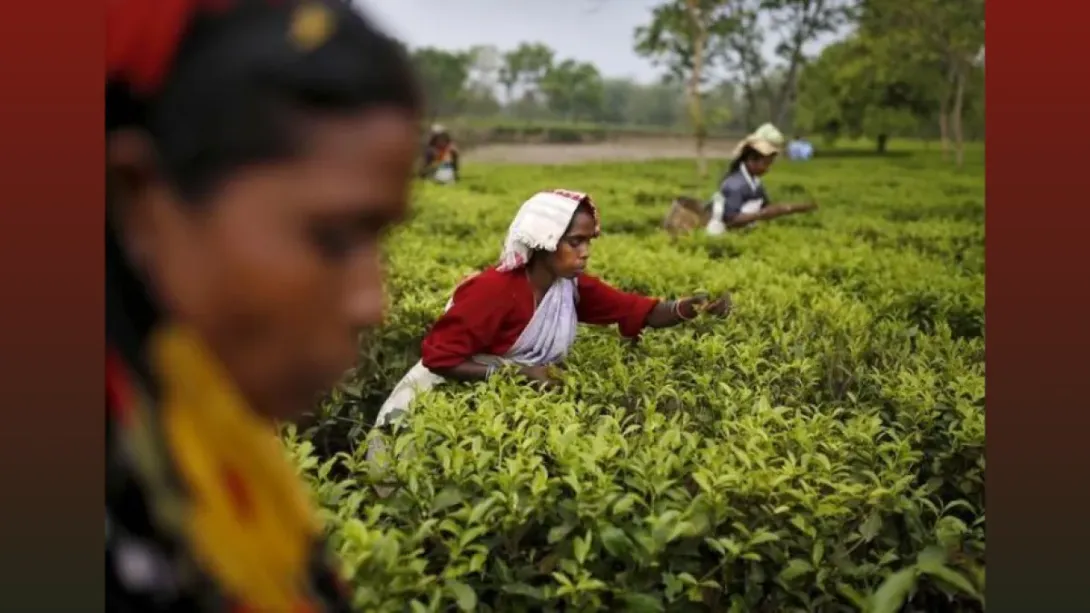
The Tea Board of India has announced a policy shift that will require 100 percent testing of imported tea consignments, marking a significant tightening of quality controls. The move aims to safeguard domestic consumers, protect the reputation of Indian tea and ensure that imports meet prescribed safety and quality benchmarks. By eliminating selective or sample-based testing, regulators intend to close gaps that have allowed substandard products to enter the market. The decision is expected to have implications for importers, pricing dynamics and supply chains, while reinforcing India’s broader commitment to food safety, traceability and fair competition in the beverage sector.
A Stronger Regulatory Stance on Imports
The decision to test every shipment of imported tea reflects a more assertive regulatory posture by the Tea Board. Until now, imports were subject to selective checks, a system that critics argued left room for inconsistent quality enforcement. Mandatory testing of all consignments is designed to ensure uniform compliance with Indian standards.
For policymakers, the move addresses concerns around pesticide residues, adulteration and mislabeling—issues that can undermine consumer trust and pose public health risks.
Protecting Domestic Producers and Consumers
India is one of the world’s largest producers and consumers of tea, with millions of livelihoods tied to the sector. Comprehensive testing of imports is expected to level the playing field for domestic growers and manufacturers, who are already subject to stringent quality norms.
From a consumer standpoint, the policy enhances assurance that imported tea sold in the country meets the same safety benchmarks as domestically produced varieties. This alignment is critical in maintaining confidence in a staple beverage consumed daily across income groups.
Impact on Importers and Supply Chains
For importers, the new requirement may translate into longer clearance times and higher compliance costs. Mandatory laboratory testing of every consignment could increase operational expenses, particularly for smaller players with thin margins.
However, industry analysts note that the policy could also discourage low-quality imports, potentially stabilizing prices and reducing volatility in the domestic market. Over time, a cleaner import pipeline may improve overall market efficiency, even if short-term disruptions occur.
Quality Control in a Globalized Tea Market
The global tea trade has become increasingly complex, with sourcing spanning multiple geographies. As imports rise to meet niche demand and blending requirements, quality oversight becomes more challenging.
By enforcing 100 percent testing, the Tea Board is signaling that market access will be contingent on compliance, not volume. This approach aligns with international best practices in food safety regulation, where traceability and testing are central to risk management.
Broader Policy and Industry Implications
The move fits within a wider policy trend emphasizing food safety, standardization and accountability. Similar measures have been adopted across other agri-commodities, reflecting heightened regulatory scrutiny in response to consumer awareness and export competitiveness.
For the tea industry, the decision underscores the importance of quality as a strategic asset. Brands and traders that prioritize compliance and transparency are likely to benefit as the regulatory environment becomes more exacting.
Conclusion
The Tea Board’s mandate to test 100 percent of imported tea marks a decisive step toward stricter quality governance. While the policy may raise costs and operational challenges in the near term, it strengthens consumer protection and reinforces India’s reputation as a quality-conscious tea market. In the long run, comprehensive testing could contribute to a more resilient and trustworthy supply chain, benefiting producers, traders and consumers alike.
Comments