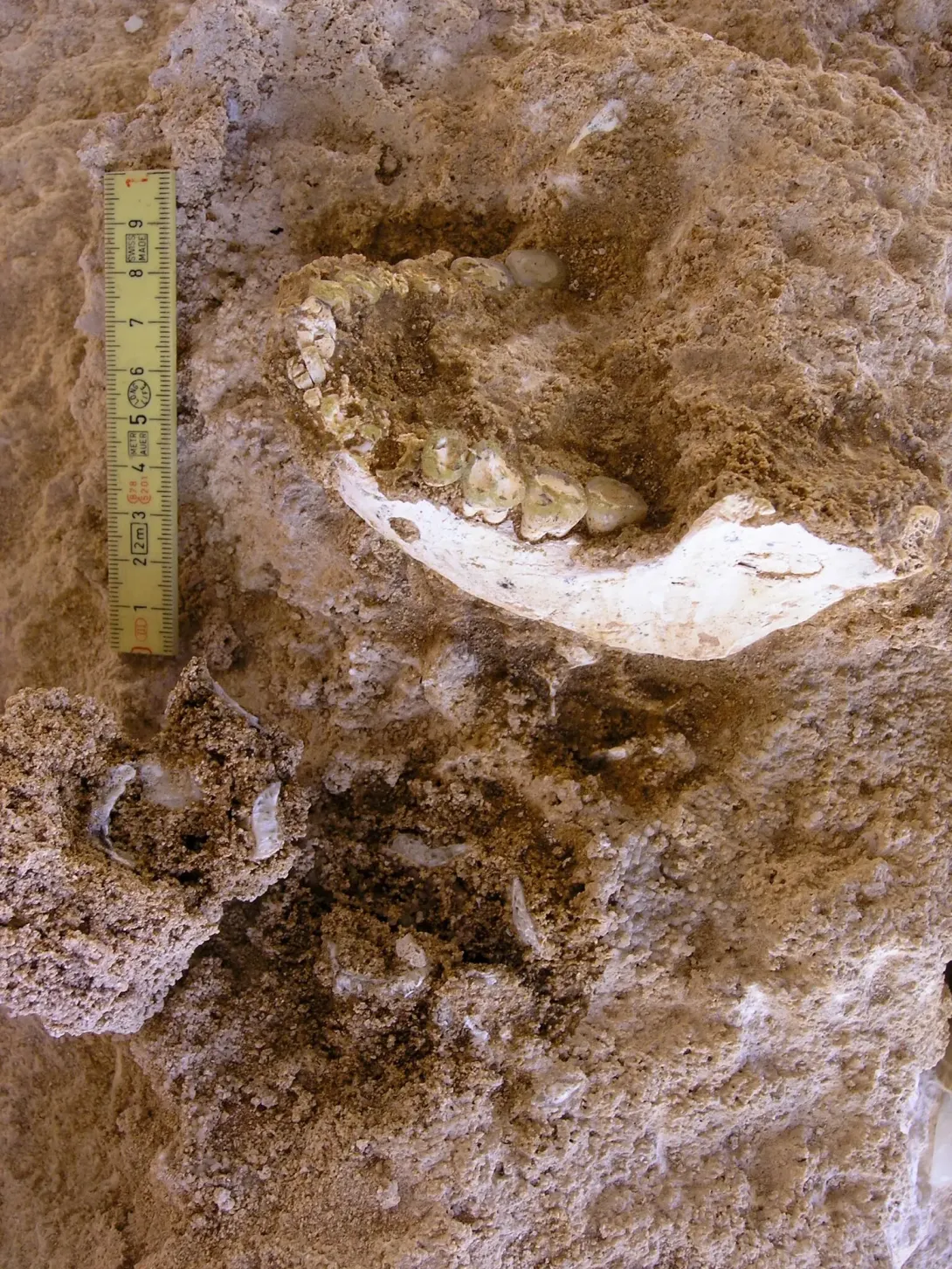
Paleontologists have unearthed fossils in Morocco that may represent previously unknown human ancestors, shedding light on the early evolution of Homo species. Preliminary analysis suggests that these remains, dated to several hundred thousand years ago, exhibit a unique combination of anatomical traits bridging archaic and modern humans. The discovery challenges existing models of human migration and diversity in North Africa, highlighting the region’s pivotal role in hominin evolution. Experts emphasize that ongoing excavation and genetic studies could reshape understanding of our evolutionary tree, offering crucial evidence of adaptation, dispersal, and interaction among early human populations in Africa.
Discovery and Site Details
The fossils were recovered from sedimentary deposits in northern Morocco, a region known for its rich archaeological heritage. Excavation teams uncovered cranial fragments, teeth, and partial limb bones, all well-preserved due to favorable geological conditions.
Initial morphological analysis indicates features characteristic of early Homo species, including robust cranial structures and dentition patterns that suggest both primitive and derived traits.
Implications for Human Evolution
The findings provide valuable insight into the diversity of hominin populations in North Africa during the Middle Pleistocene. The combination of traits in the Moroccan fossils may indicate a transitional form, bridging archaic humans and anatomically modern Homo sapiens.
Researchers note that this challenges the conventional “single-origin” model of human evolution, supporting the idea of multiple populations contributing to our lineage and highlighting Africa’s complex evolutionary landscape.
Scientific Methods and Analysis
Dating techniques, including stratigraphy and radiometric analysis, place the fossils at several hundred thousand years old. Comparative anatomical studies with other African and Eurasian fossils help contextualize their significance in the broader hominin family tree.
Future genetic analysis, if viable, could further clarify lineage relationships, offering unprecedented insight into migration patterns, adaptation strategies, and interbreeding events among early humans.
Global and Regional Significance
North Africa’s role in human evolution is increasingly recognized, and this discovery reinforces the region’s importance as a nexus of early human diversity. By revealing previously undocumented forms, the fossils provide evidence of evolutionary experimentation and adaptation to varied environments.
Anthropologists highlight that such discoveries have implications for understanding climate-driven migration, cultural development, and the spread of anatomical innovations across early human populations.
Outlook: Future Research
The Moroccan fossil site will continue to be a focus of intensive study, with additional excavations, detailed morphological analyses, and potential DNA recovery efforts planned. Scientists anticipate that continued work will illuminate the evolutionary pathways that led to modern humans and redefine the narrative of human ancestry in Africa.
This discovery underscores the value of field research and interdisciplinary collaboration in reconstructing the story of our origins, offering the potential to answer long-standing questions about how early humans adapted, diversified, and dispersed across the continent.
Comments