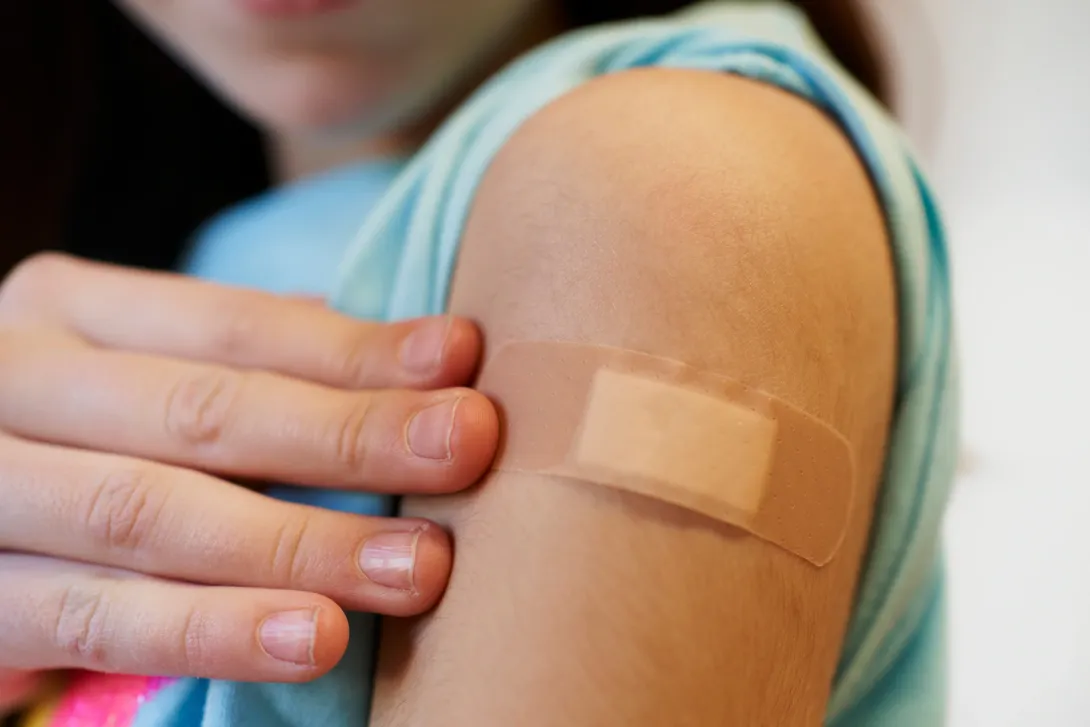
The Centers for Disease Control and Prevention (CDC) has updated its vaccine recommendations for children, narrowing the scope to focus on high-risk populations and age-specific requirements. This revision aims to optimize protection while minimizing unnecessary interventions, reflecting evolving data on disease prevalence, immunity patterns, and vaccine safety. Pediatricians and public health officials are adjusting immunization schedules accordingly, prioritizing children with underlying health conditions or specific exposure risks. Experts highlight that the move underscores evidence-based policy, ensuring resources are efficiently allocated and maintaining public confidence in vaccination programs. The CDC continues to monitor outcomes to guide future adjustments.
Key Changes in Guidelines
The updated CDC recommendations emphasize vaccination for children with preexisting conditions, such as immunodeficiency, chronic respiratory or cardiovascular diseases, and other risk factors that increase susceptibility to severe infections.
Routine vaccination for otherwise healthy children has been adjusted, with certain doses deferred or made optional, based on epidemiological trends and safety data. This targeted approach balances community protection with individual medical needs.
Rationale Behind the Revision
The CDC cites robust studies showing differential risk levels among pediatric populations. By narrowing recommendations, the agency seeks to reduce potential adverse reactions from unnecessary doses while ensuring that vulnerable children receive optimal protection.
Experts note that such refinements reflect a dynamic public health strategy, responsive to evolving pathogens, population immunity, and real-world effectiveness of vaccines.
Implications for Healthcare Providers
Pediatricians are advised to review patient histories and prioritize vaccination for children identified as high-risk. Clinics and public health programs are updating protocols, educational materials, and outreach campaigns to reflect the changes, ensuring clear communication to caregivers.
The shift also encourages discussions with parents about vaccine benefits, risks, and timing, fostering informed consent and adherence.
Public Health Perspective
Targeted vaccination maintains herd immunity while optimizing resource allocation, particularly during periods of limited vaccine supply or heightened disease outbreaks. Public health analysts emphasize that refining recommendations can enhance trust in vaccination programs, reduce vaccine hesitancy, and improve compliance among caregivers.
Ongoing surveillance will determine whether further adjustments are necessary, ensuring policies remain aligned with scientific evidence and societal needs.
Future Outlook
The CDC intends to continuously evaluate pediatric immunization outcomes, incorporating new research, emerging pathogens, and safety monitoring data. This iterative approach ensures that vaccine guidance remains precise, evidence-based, and adaptable to changing public health landscapes, safeguarding the wellbeing of children nationwide.
Comments