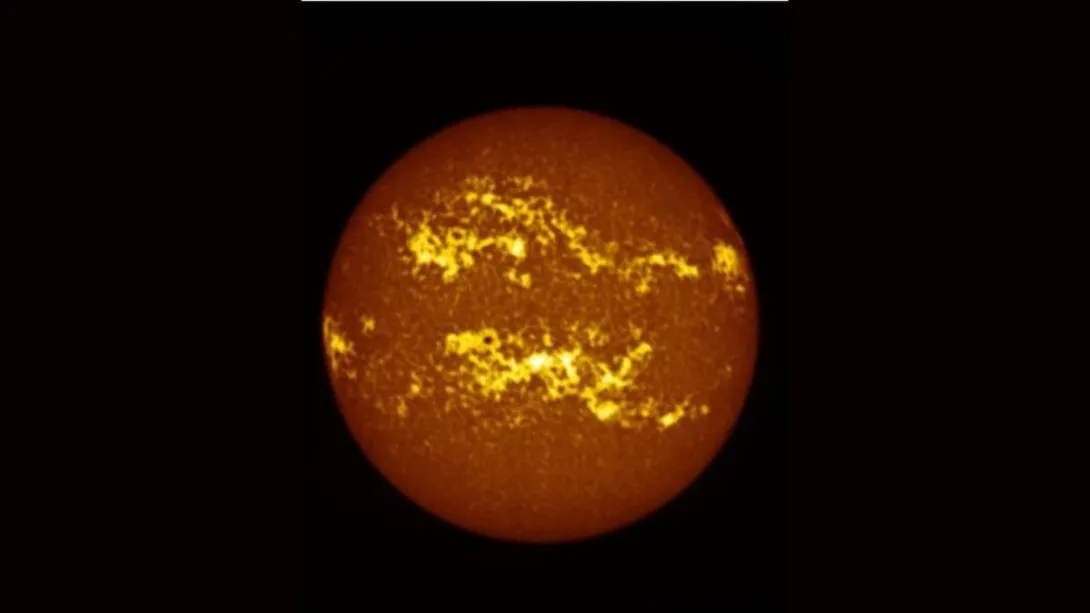
India’s Aditya-L1 solar mission has provided critical insights into the effects of a recent solar storm on Earth, offering unprecedented data on solar wind, magnetic fluctuations, and geomagnetic activity. Launched to study the Sun from the first Lagrangian point (L1), the spacecraft’s instruments recorded variations in charged particle density and electromagnetic disturbances, enabling scientists to assess the storm’s potential impacts on satellite operations, power grids, and communication networks. This milestone reinforces India’s growing capabilities in space weather research and underscores the strategic importance of monitoring solar activity to mitigate risks for technology-dependent societies.
Mission Overview
Aditya-L1, developed by the Indian Space Research Organisation (ISRO), is positioned approximately 1.5 million kilometers from Earth at the Sun-Earth Lagrangian point (L1). This vantage point allows continuous observation of solar phenomena without obstruction from Earth’s shadow.
Equipped with high-precision instruments, including magnetometers, coronagraphs, and plasma analyzers, the mission aims to enhance understanding of solar dynamics and their influence on Earth’s magnetosphere.
Solar Storm Observations
The recent solar storm produced a surge in charged particles and intensified geomagnetic activity. Aditya-L1 detected heightened solar wind velocity and magnetic field fluctuations, providing real-time measurements of the storm’s trajectory and intensity.
Scientists leveraged this data to predict potential disturbances in satellite navigation systems, communication networks, and electrical infrastructure, demonstrating the practical applications of space weather monitoring.
Scientific Significance
By quantifying the solar storm’s impact, Aditya-L1 contributes to the broader field of heliophysics. Researchers now have improved models to forecast geomagnetic storms, enhancing preparedness for technological and societal vulnerabilities caused by solar activity.
The mission also facilitates international collaboration, enabling comparative studies with data from NASA, ESA, and other global observatories.
Strategic and Technological Implications
Understanding solar storms is increasingly critical as global reliance on satellite systems, telecommunications, and power grids grows. Aditya-L1’s findings support proactive measures to safeguard infrastructure against space weather hazards, including early-warning protocols and system hardening strategies.
The mission highlights India’s emerging leadership in space weather research, positioning the country as a key contributor to global efforts in monitoring and mitigating solar threats.
Outlook
Aditya-L1’s real-time observations of solar storms mark a significant advancement in Earth-Sun system research. Continued data collection will refine predictive models, inform technological safeguards, and strengthen India’s strategic capabilities in space science, ensuring both scientific and practical benefits for Earth-based and orbital technologies.
Comments