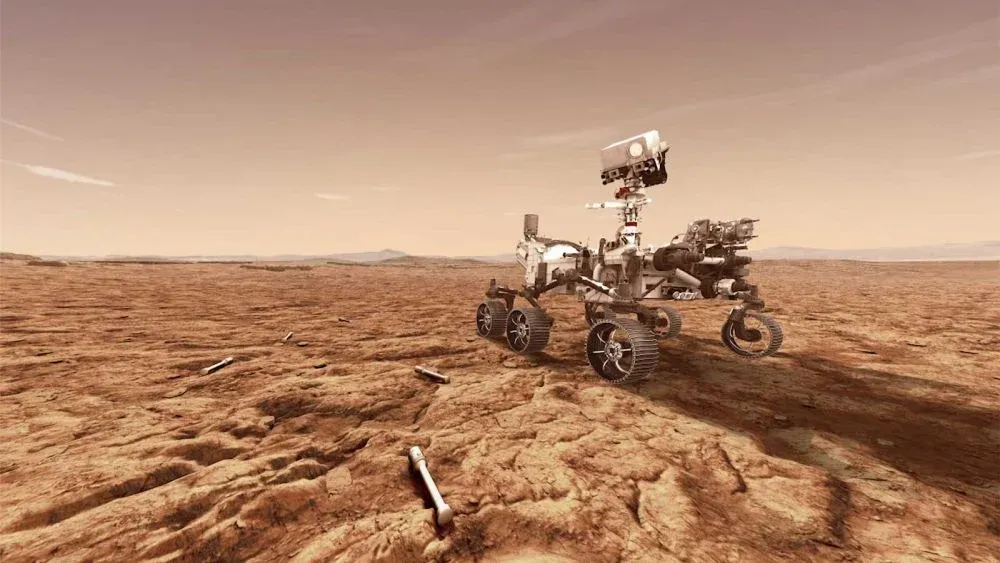
Recent explorations of Mars by NASA, ESA, and other international missions have provided unprecedented insights into the Red Planet’s geology, atmosphere, and potential habitability. Utilizing advanced rovers, orbiters, and remote sensing technologies, scientists have uncovered evidence of ancient water flows, methane emissions, and complex mineral compositions that may indicate past microbial activity. These findings refine our understanding of Mars’ climate history, surface evolution, and suitability for future human missions. By combining satellite imagery with in-situ rover analysis, researchers are creating a comprehensive map of Martian terrain, supporting both scientific inquiry and the planning of sustainable human exploration on the planet.
Recent Discoveries
Mars missions have revealed extensive evidence of dried riverbeds and sedimentary formations, suggesting that liquid water was present on the planet’s surface millions of years ago. Recent atmospheric studies indicate transient methane emissions, which could be either geological or biological in origin.
Rover missions, such as NASA’s Perseverance and Curiosity, have analyzed soil samples, detecting complex organic molecules and minerals like clays and sulfates that hint at Mars’ dynamic environmental past.
Technological Achievements
The deployment of orbiters, high-resolution cameras, and spectrometers has allowed for precise topographical mapping and chemical analysis. Drones like Ingenuity have demonstrated aerial exploration feasibility, providing new perspectives on inaccessible terrain.
These technological advances not only enhance scientific understanding but also contribute to the logistical planning required for future crewed missions, including habitat placement, resource utilization, and safe landing zones.
Implications for Human Exploration
Understanding Mars’ geology and atmosphere is essential for establishing long-term human presence. Identifying water-rich regions and potential energy resources will inform site selection for habitats and research bases.
Moreover, insights into seasonal atmospheric patterns and dust storm behavior are critical for mission scheduling, spacecraft design, and astronaut safety protocols.
International Collaboration
Global cooperation has been instrumental in expanding Mars research. NASA, ESA, ISRO, and other space agencies have shared data and coordinated mission objectives, enabling a comprehensive scientific approach.
Collaborative efforts enhance the reliability of discoveries, encourage cross-validation of findings, and accelerate technological innovations critical to interplanetary exploration.
Future Prospects
Continued robotic missions, sample return initiatives, and technological demonstrations will deepen knowledge of Mars’ potential for past life, resources, and habitability. These studies lay the groundwork for the eventual human exploration and colonization of the Red Planet, representing a strategic milestone in humanity’s expansion into the solar system.
Comments