German Chancellor Friedrich Merz’s visit to Bengaluru underscores a decisive shift in Germany’s global economic and technological engagement, with India emerging as a central partner. The trip highlights deepening cooperation in innovation, advanced manufacturing, artificial intelligence, green energy and skilled workforce mobility. Bengaluru, widely regarded as India’s technology capital, serves as a symbolic and practical venue for reinforcing bilateral ties beyond traditional diplomacy. As geopolitical uncertainties reshape global supply chains, Germany’s outreach reflects a broader European recalibration toward India as a trusted economic ally, innovation hub and long-term strategic partner in the Indo-Pacific.
A Diplomatic Visit With Economic Undertones
German Chancellor Friedrich Merz’s stop in Bengaluru marked more than a routine diplomatic engagement. It reflected Berlin’s intent to strengthen economic and technological partnerships with India at a time when global trade patterns are being redefined by geopolitical tensions, supply-chain disruptions and rapid technological change. By choosing Bengaluru, India’s foremost innovation ecosystem, Germany sent a clear message about the priority it places on technology-driven collaboration.
The visit comes as Germany seeks to diversify economic dependencies, reduce overreliance on single markets and secure resilient partnerships across Asia. India, with its expanding economy and demographic advantage, has emerged as a natural partner in this strategic recalibration.
Bengaluru as the Centerpiece of Engagement
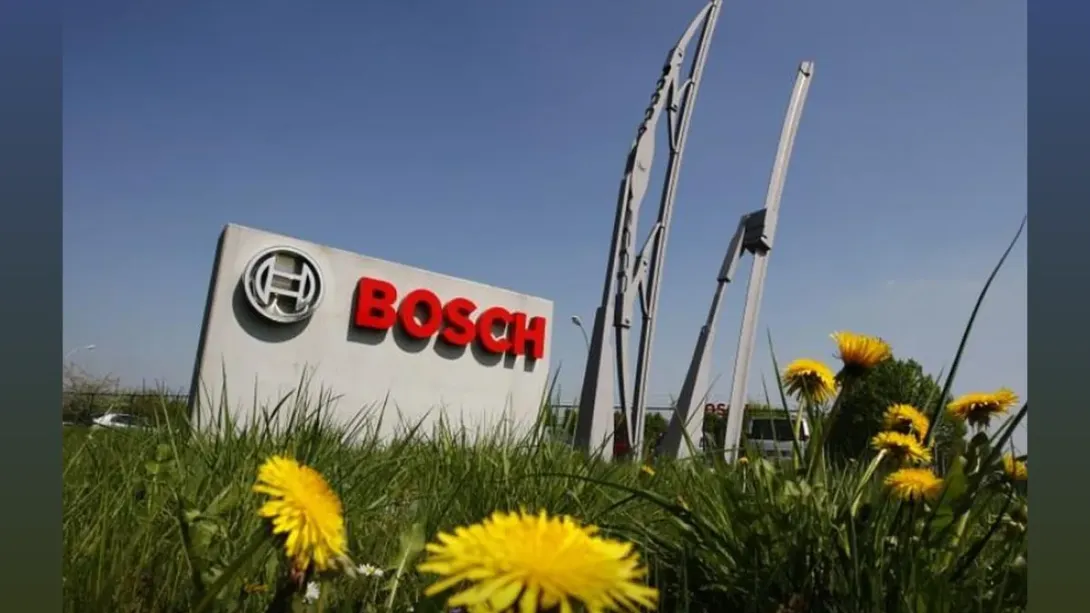
Bengaluru’s prominence as a global hub for information technology, startups, aerospace and deep-tech innovation made it a logical focal point of the Chancellor’s itinerary. German companies have long maintained a presence in the city, spanning sectors such as automotive engineering, industrial automation, software development and research and development services.
During the visit, discussions reportedly centered on expanding collaboration between German industry leaders and Indian technology firms, particularly in areas such as artificial intelligence, Industry 4.0 solutions, semiconductor ecosystems and digital public infrastructure. The city’s strong academic institutions and startup culture further reinforced its appeal as a gateway for long-term German investments.
Strengthening Technology and Innovation Partnerships
A key theme of the visit was innovation-led growth. Germany, known for its engineering excellence, increasingly views India as a complementary partner rather than merely an outsourcing destination. Indian firms bring scale, software expertise and cost efficiencies, while German enterprises contribute advanced manufacturing capabilities, precision engineering and global market access.
The dialogue also emphasized joint research initiatives, collaboration between universities and applied sciences institutions, and the integration of startups into global value chains. Such partnerships are expected to play a critical role in emerging technologies, including green hydrogen, electric mobility and smart manufacturing systems.
Focus on Skilled Workforce Mobility
Another strategic dimension of the visit involved talent and workforce mobility. Germany faces acute skill shortages, particularly in engineering, healthcare and information technology. India’s large pool of skilled professionals positions it as a vital partner in addressing these gaps.
By engaging directly in Bengaluru, Chancellor Merz highlighted Germany’s interest in structured, legal and mutually beneficial mobility frameworks. These initiatives aim not only to support German industry but also to create pathways for Indian professionals to access global opportunities while strengthening bilateral knowledge exchange.
A Broader Geopolitical Signal
Beyond economics, the visit carried broader geopolitical significance. Germany’s engagement with India aligns with the European Union’s wider Indo-Pacific strategy, which seeks stable partnerships with democratic nations sharing common values and economic interests. As global power balances evolve, India’s role as a strategic counterweight and growth engine has gained prominence in European policy circles.
For India, the visit reinforces its position as a credible partner for advanced economies looking for long-term, rules-based collaboration. For Germany, it signals an outward-looking approach that blends economic pragmatism with strategic foresight.
Looking Ahead
Chancellor Merz’s Bengaluru visit is likely to translate into deeper institutional ties, increased investment flows and expanded cooperation across technology, sustainability and human capital development. While the immediate outcomes may unfold gradually, the symbolic value of the visit is clear: Germany sees India not merely as an emerging market, but as a central pillar of its future economic and strategic architecture.
Comments