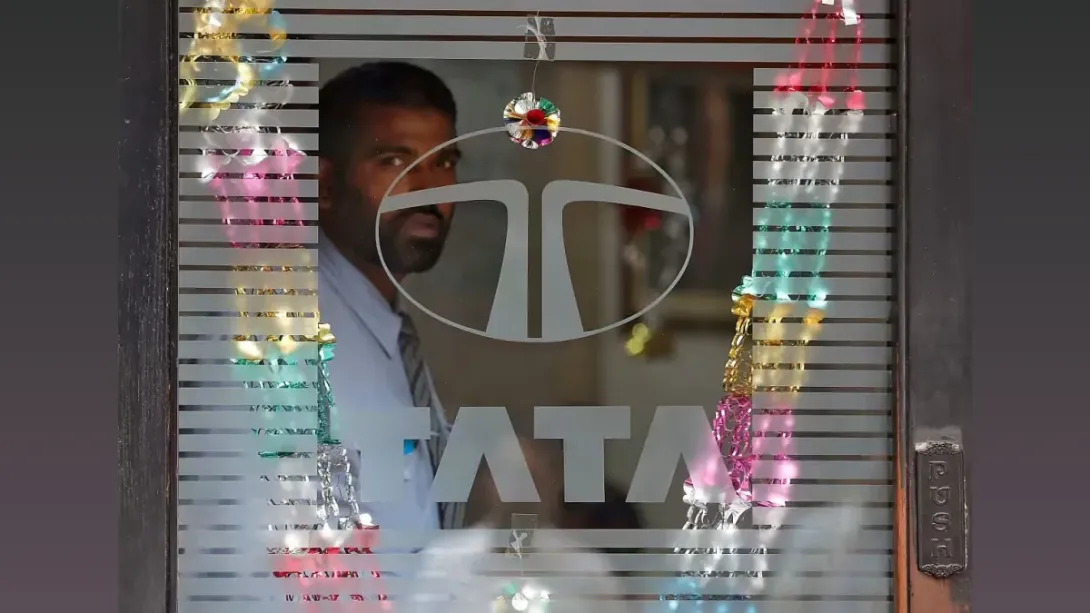
Tata Technologies Ltd reported a staggering 96 percent decline in net profit for the third quarter, signaling significant margin pressures despite steady revenue growth. The decline has been attributed to higher operational costs, investments in new technology platforms, and increased expenditure on research and development initiatives. While top-line performance remained resilient due to strong demand in engineering services and digital transformation solutions, profitability was sharply impacted by rising input costs and foreign exchange volatility. Analysts note that the results highlight near-term financial pressures but emphasize the company’s long-term strategic focus on high-value engineering services and global market expansion.
Sharp Decline in Profitability
Tata Technologies’ net profit plummeted by 96 percent in Q3, underscoring the impact of escalating operational costs and strategic investments. The company has been channeling resources into advanced engineering solutions, digital transformation services, and R&D projects to maintain competitiveness in the global market, which has temporarily suppressed margins.
Revenue Performance
Despite the dramatic decline in net profit, Tata Technologies reported stable revenue, buoyed by strong demand in automotive engineering, industrial machinery, and software-driven product development services. International contracts and digital adoption projects contributed to sustained top-line performance, demonstrating the company’s ability to attract and retain high-value clients.
Cost Pressures and Strategic Investments
The steep fall in profitability was driven by higher labor costs, technology investments, and currency fluctuations. Additionally, increased spending on research and innovation, including electric mobility and Industry 4.0 solutions, contributed to short-term margin compression. Analysts view these expenditures as essential for maintaining long-term growth and market relevance.
Outlook and Market Positioning
While Q3 results reflect immediate profitability challenges, Tata Technologies’ strategic investments position it for sustainable growth. Continued focus on high-value engineering services, digital solutions, and global client expansion is expected to improve revenue quality and margin stability in upcoming quarters.
Conclusion
Tata Technologies’ third-quarter performance illustrates the trade-off between short-term profitability and long-term strategic positioning. Although net profit fell sharply, the company’s sustained revenue growth, investment in innovation, and global footprint reinforce confidence in its ability to capitalize on emerging opportunities in engineering and technology services.
Comments