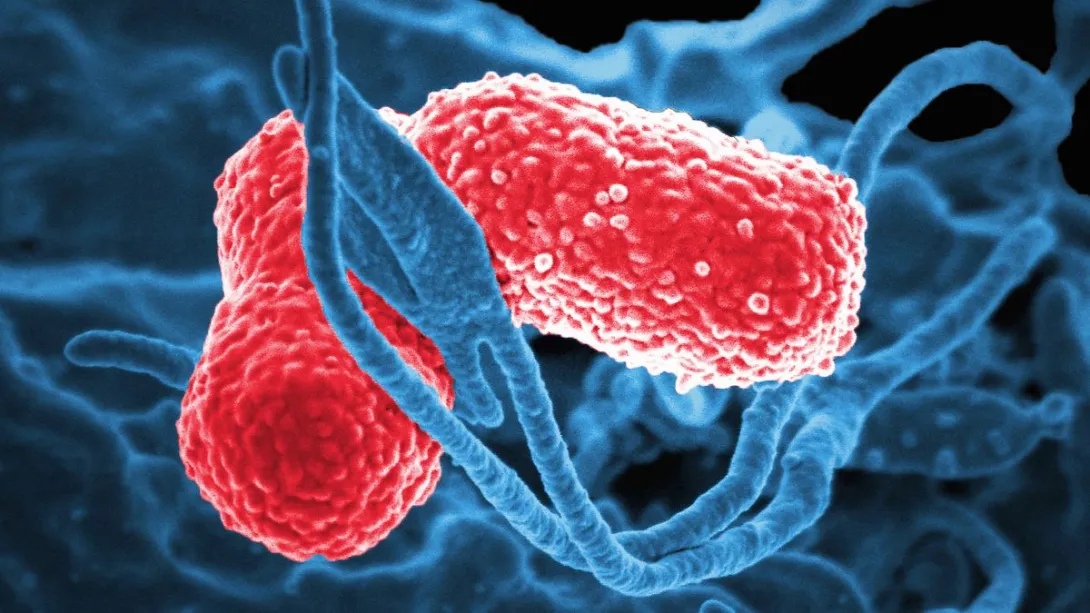
Auto-brewery syndrome (ABS), a rare but debilitating condition in which gut microbes convert ingested carbohydrates into alcohol, has garnered renewed scientific attention as researchers explore the complex interplay between intestinal bacteria and human metabolism. Individuals with ABS can experience elevated blood alcohol levels without consuming alcoholic beverages, leading to dizziness, impaired cognition, and social complications. Recent studies indicate that dysbiosis—an imbalance in gut microbiota—may trigger excessive fermentation, with certain yeast and bacterial strains producing ethanol at clinically significant levels. Understanding the microbiome’s influence on ABS underscores broader implications for gastrointestinal health, metabolic regulation, and potential microbiome-targeted interventions.
Understanding Auto-Brewery Syndrome
ABS arises when specific gut microbes, particularly strains of Saccharomyces yeast and certain bacteria, metabolize carbohydrates into ethanol. Symptoms include unexplained intoxication, fatigue, and gastrointestinal disturbances. Although historically considered anecdotal, advances in microbiology and metabolomics have confirmed its physiological basis, highlighting the gut microbiome’s role in metabolite production and systemic effects.
Microbiome Dysbiosis as a Key Factor
Researchers emphasize that ABS often coincides with dysbiosis, which can result from prolonged antibiotic use, high-sugar diets, or gastrointestinal disorders. Imbalances in microbial communities may favor ethanol-producing organisms, amplifying fermentation activity. Emerging evidence suggests that gut microbial diversity and resilience are central to preventing pathological alcohol production.
Clinical and Diagnostic Considerations
Diagnosis of ABS requires careful monitoring of blood alcohol levels following controlled carbohydrate intake and ruling out external alcohol consumption. Clinicians may also employ stool analysis and microbial sequencing to identify ethanol-producing strains. Management strategies involve dietary modification, antifungal or antibacterial therapies, and restoration of healthy microbiota through probiotics or fecal microbiota transplantation in severe cases.
Broader Implications for Health
Beyond ABS, this research highlights the gut microbiome’s influence on metabolic processes, neurological function, and systemic inflammation. Understanding microbial fermentation dynamics may inform interventions for other metabolic disorders, including non-alcoholic fatty liver disease and glucose intolerance, emphasizing the importance of microbial balance for overall health.
Future Research Directions
Scientists aim to characterize microbial strains responsible for ethanol production, map fermentation pathways, and develop predictive models for at-risk individuals. Longitudinal studies may also explore how dietary patterns, antibiotics, and probiotics modulate ABS risk, offering insights into personalized microbiome-targeted therapies.
Comments