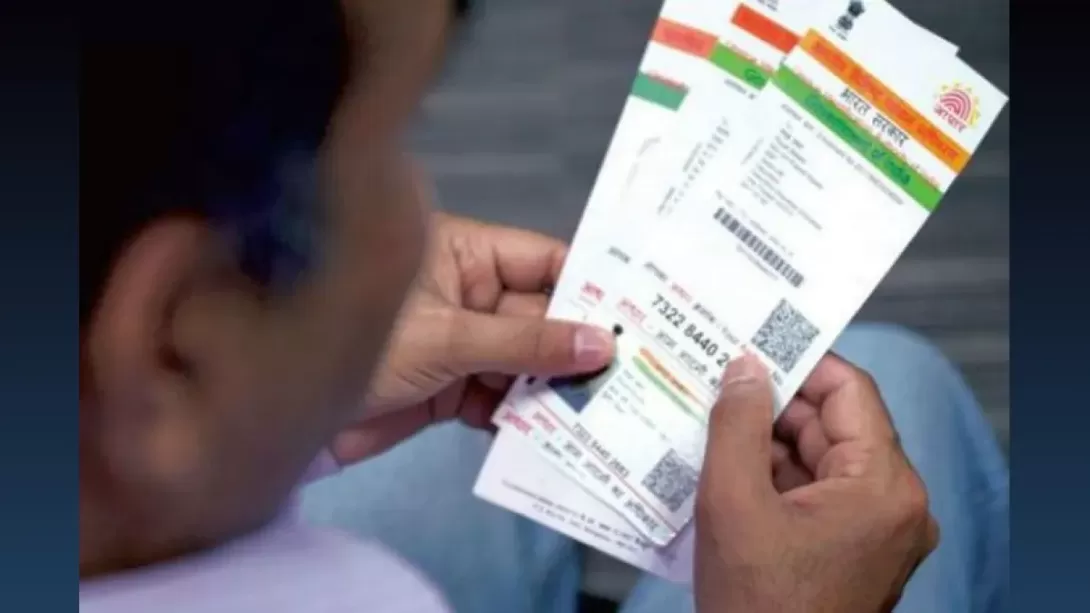
India's IT Minister Ashwini Vaishnaw recently introduced an innovative new Aadhaar app designed to simplify and secure the process of identity verification. The app features QR code-based instant verification and real-time face authentication, allowing users to digitally share their Aadhaar details without the need for physical photocopies. This development promises to significantly enhance privacy, security, and convenience, aligning with the country's shift toward digital solutions. The app is currently in beta testing and will soon be rolled out nationwide, transforming how Aadhaar verification is carried out in everyday scenarios like travel and hotel check-ins.
Transforming Aadhaar Verification: A Digital Solution for a Paperless Future
In a groundbreaking move towards digital identity verification, IT Minister Ashwini Vaishnaw unveiled the new Aadhaar app, which uses QR code scanning and real-time face recognition for seamless authentication. This shift is set to eliminate the need for carrying physical Aadhaar photocopies, a process still common in many public and private interactions today. Whether at a hotel, airport, or train station, individuals can now authenticate their identity through a simple scan, making Aadhaar verification as straightforward as a UPI payment.
Simplifying Identity Verification: A User-Friendly Experience
The new Aadhaar app promises to simplify identity verification for millions of Indians. By scanning a QR code, users will now be able to instantly authenticate their identity through face recognition, without the need for physical documentation. As QR codes are now ubiquitous across India—especially in payment systems—the rollout of similar Aadhaar QR codes will make verification at various points of authentication more convenient and efficient. This app puts the power of verification directly in the hands of the user, providing a digital solution that ensures privacy and control over personal information. Once fully implemented, this app will fundamentally change the way Aadhaar is used, reducing dependency on paper-based systems.
Enhancing Privacy and Security with Face Authentication
One of the app’s key features is the integration of Aadhaar Face Authentication, a technology that has already been rapidly adopted across several sectors. As part of the app, users will benefit from secure, encrypted verification, with face data being processed directly on the user's device, rather than through centralized databases. This process ensures that personal information remains private and is shared only when the user consents. The app's security protocols also address concerns about potential misuse of Aadhaar data, including the risk of forgery or photo manipulation. By relying on real-time authentication, the system prevents the duplication or alteration of Aadhaar information, significantly enhancing data integrity.
A Major Leap in Aadhaar’s Evolution: Digital, Secure, and Consent-Based
The Aadhaar app moves away from traditional methods of identity verification, replacing the need for physical Aadhaar photocopies with digital verification directly from the user’s phone. In doing so, it provides a more efficient and secure process for both individuals and service providers. Users will retain complete control over what personal data is shared and when, empowering them to make informed decisions about their digital privacy. This innovation also promises to reduce the risk of identity theft and unauthorized use of personal information, as the app ensures that only the necessary data is transmitted for authentication.
Widespread Implementation: A Step Toward Nationwide Adoption
Currently in its beta testing phase, the new Aadhaar app is being tested with a select group of users, including participants from the Aadhaar Samvaad event. Based on the feedback from these early adopters, the app is expected to be rolled out on a larger scale in the coming months. UIDAI (Unique Identification Authority of India) has emphasized its commitment to improving the app’s features, particularly the ease of use and integration into various sectors of society. With over 15 crore transactions per month already being processed through Aadhaar's face authentication technology, the app is expected to quickly gain traction across India, especially as the country accelerates its shift toward a digital economy.
Conclusion: Empowering Individuals with Digital Aadhaar Verification
The new Aadhaar app is a game-changer for identity verification in India. It enhances privacy, reduces the need for physical documents, and streamlines the process of authentication, making it easier and more secure for users to prove their identity digitally. As India continues to embrace digital solutions, the introduction of this app marks a significant step in modernizing the country’s infrastructure for a secure and efficient future. The Aadhaar app is poised to become a cornerstone of India’s digital identity landscape, contributing to greater convenience, security, and data protection for millions of citizens.
Comments