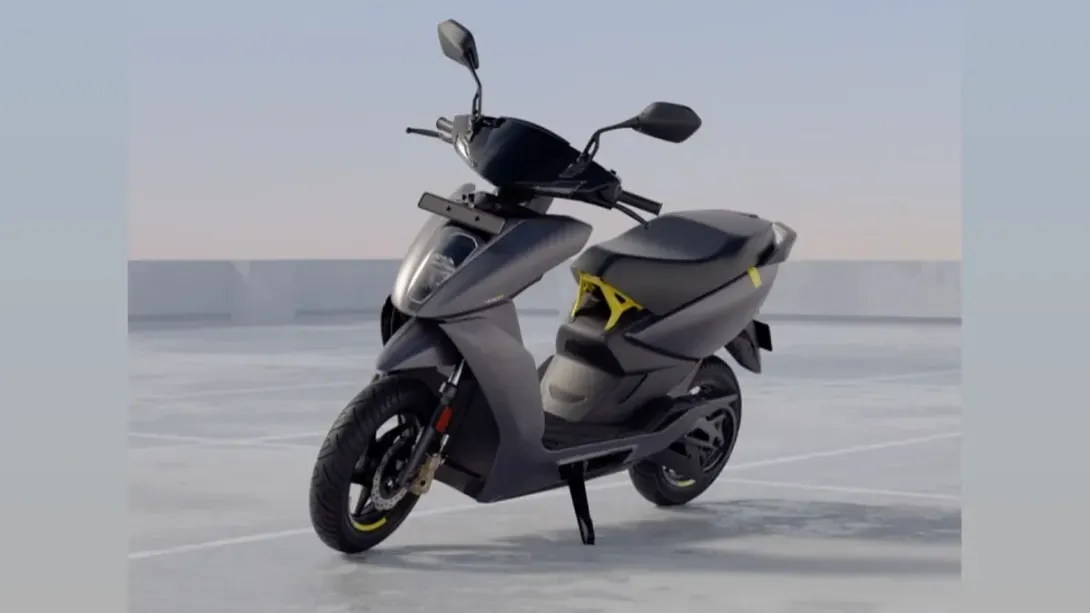
Yamaha Motor India has announced a voluntary recall of nearly 3 lakh scooters after identifying a potential issue related to the braking system. The move underscores the company’s emphasis on rider safety and regulatory compliance, even as competition intensifies in India’s two-wheeler market. The recall affects select scooter models manufactured during a specific period and involves a technical inspection and corrective action at authorized service centers. Industry experts view the decision as a proactive quality-control measure rather than a response to widespread incidents, highlighting the growing importance of product reliability and brand trust in the rapidly evolving mobility sector.
Recall Covers Select Scooter Models
Yamaha’s recall impacts approximately 3 lakh scooters sold in the Indian market. The company has identified a possible defect in a component of the braking mechanism that could, under certain conditions, affect braking performance.
Customers owning the affected models will be contacted directly and advised to visit authorized Yamaha service centers, where inspections and necessary replacements will be carried out at no cost.
Safety and Compliance Take Priority
The company emphasized that the recall is a preventive step aimed at ensuring rider safety and maintaining high quality standards. Yamaha stated that it is working closely with dealers to ensure a smooth and efficient recall process, minimizing inconvenience to customers.
Automobile analysts note that voluntary recalls have become more common as manufacturers adopt stricter internal quality audits and respond swiftly to potential risks.
Impact on Brand and Market Perception
While recalls can raise short-term concerns, industry observers believe Yamaha’s transparent approach could reinforce consumer confidence over the long term. Proactive communication and prompt corrective action are often viewed positively, particularly in safety-sensitive segments such as two-wheelers.
India’s scooter market remains highly competitive, with consumers increasingly prioritizing reliability, after-sales service, and safety features in purchase decisions.
Regulatory and Industry Context
The recall aligns with evolving regulatory expectations around vehicle safety and quality assurance. Authorities have encouraged manufacturers to address potential defects early, reducing the risk of accidents and broader liability issues.
Such measures reflect a maturing automotive ecosystem in India, where accountability and customer protection are gaining prominence.
Outlook
Yamaha’s recall is unlikely to have a material impact on its overall sales trajectory, but it highlights the operational challenges faced by manufacturers operating at scale. As the industry moves toward higher safety benchmarks and technological complexity, swift corrective actions will remain critical.
For consumers, the episode serves as a reminder of the importance of timely servicing and manufacturer communication in ensuring safe and reliable mobility.
Comments