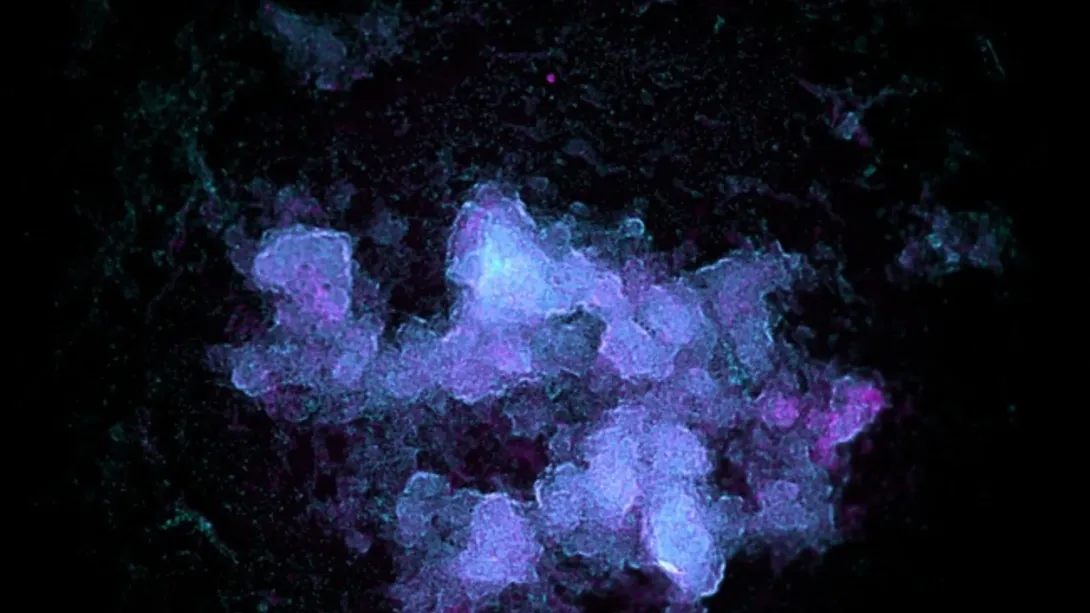
As space agencies prepare for longer and more complex missions, biofilms have emerged as a critical focus of scientific research. These microbial communities, which thrive on surfaces in closed environments, pose both operational risks and scientific opportunities aboard spacecraft. Recent studies show that microgravity alters biofilm behavior, increasing resistance to disinfectants and potentially affecting astronaut health and equipment reliability. Understanding and managing biofilms is now central to mission planning for lunar bases and Mars exploration. The research also carries commercial and biomedical implications on Earth, positioning space-based biofilm studies as a strategic investment in long-duration human spaceflight.
Why Biofilms Matter in Spaceflight
Biofilms are structured communities of microorganisms that attach to surfaces and encase themselves in protective layers. In spacecraft, where humidity, recycled air, and confined systems dominate, these microbial colonies can form on water systems, air filters, and equipment panels.
In microgravity, biofilms behave differently than on Earth, often becoming more robust and harder to eliminate. This raises concerns about system degradation, contamination, and potential health risks to astronauts on extended missions.
Microgravity’s Impact on Microbial Behavior
Research conducted aboard the International Space Station has shown that microgravity can accelerate biofilm growth and increase microbial resistance to antibiotics and disinfectants. Without gravity-driven fluid flow, nutrients distribute evenly around microbes, creating ideal growth conditions.
These findings challenge traditional sanitation protocols and underscore the need for redesigned materials and cleaning systems tailored specifically for space environments.
Health, Safety, and Mission Reliability
Unchecked biofilms can clog water recycling units, corrode metal surfaces, and compromise life-support systems—risks that escalate during missions lasting months or years. From a health perspective, astronauts’ immune systems weaken in space, increasing vulnerability to infections.
For mission planners, biofilm management is no longer a maintenance issue but a core safety and reliability concern with direct implications for mission costs and success rates.
Innovation, Materials, and Commercial Spin-Offs
In response, space agencies and private firms are investing in antimicrobial coatings, smart surfaces, and biofilm-resistant alloys. These technologies are not only designed for spacecraft but also hold strong commercial value for hospitals, aviation, and water treatment industries on Earth.
The convergence of space research and commercial innovation positions biofilm science as a high-impact, cross-sector field.
Strategic Importance for Deep-Space Missions
As plans advance for lunar habitats and Mars missions, biofilm research is becoming integral to long-term human presence beyond Earth. Effective control strategies will reduce operational risks, extend equipment lifespans, and protect crew health.
In the broader context, mastering biofilm behavior in space reflects a shift toward systems-level thinking—where biology, engineering, and economics intersect. For future exploration, the smallest organisms may pose some of the biggest challenges—and opportunities.
Comments