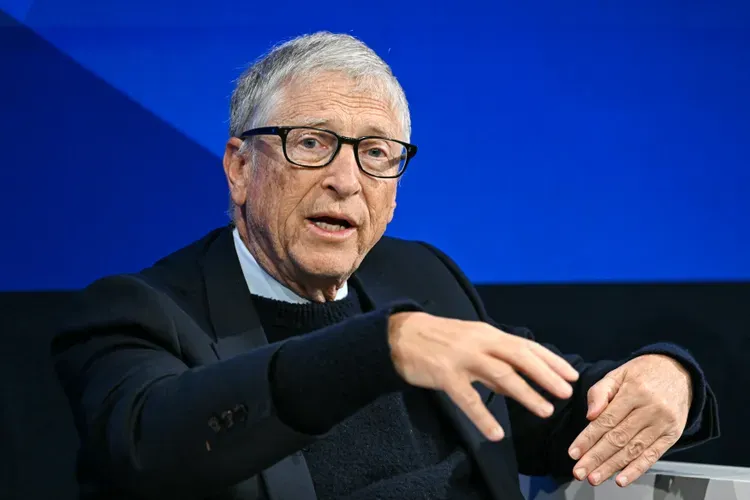
Bill Gates has issued a stark warning to governments worldwide, emphasizing the urgent need for regulatory frameworks to mitigate the risks associated with artificial intelligence. The Microsoft co-founder highlighted the dual nature of AI: while it offers transformative potential for productivity, healthcare, and education, unchecked deployment could pose societal, ethical, and security challenges. Gates stressed that proactive governance, transparency, and global coordination are critical to prevent misuse and ensure equitable benefits. Analysts interpret his caution as a signal that AI policy, regulation, and ethical oversight will increasingly influence technology investment, corporate strategy, and public-sector decision-making.
AI’s Transformative Potential
Gates acknowledged the vast benefits of AI, noting its capacity to enhance productivity, streamline decision-making, and accelerate innovation across multiple sectors. From automating routine tasks in enterprises to supporting medical research and climate modeling, AI’s applications are rapidly expanding.
However, he emphasized that the technology’s power necessitates responsible stewardship. Without effective regulation, AI could exacerbate inequality, amplify misinformation, and create systemic risks across industries and societies.
Call for Government Regulation
The Microsoft co-founder called on governments to implement structured regulatory oversight for AI systems. Key recommendations include:
- Transparency and Accountability: AI algorithms should be auditable, explainable, and subject to ethical review.
- Risk Assessment: Governments must evaluate potential societal, economic, and security impacts before widespread deployment.
- International Cooperation: Coordinated global standards can mitigate risks associated with cross-border AI applications and prevent competitive misuse.
Gates’ remarks underscore the importance of balancing innovation with public safety, ethical responsibility, and societal benefit.
Ethical and Societal Considerations
Beyond governance, Gates highlighted ethical imperatives in AI development:
- Bias Mitigation: Ensuring fairness and avoiding discrimination in automated decision-making.
- Job Displacement: Addressing potential workforce disruptions through upskilling and education.
- Security Risks: Preventing AI misuse in cyberattacks, autonomous systems, or misinformation campaigns.
These considerations point to the need for holistic policies that integrate ethical, economic, and technical perspectives.
Outlook: Preparing for an AI-Driven Future
Gates’ warnings serve as a clarion call for policymakers, corporations, and civil society to engage proactively with AI’s implications. Analysts predict that investment in AI governance, safety research, and regulatory infrastructure will accelerate in the coming years, shaping technology adoption strategies and influencing market dynamics.
The overarching message: AI promises unprecedented opportunities, but realizing its benefits safely requires thoughtful regulation, international coordination, and sustained oversight. Governments that act decisively are likely to foster innovation while minimizing systemic risks.
Comments