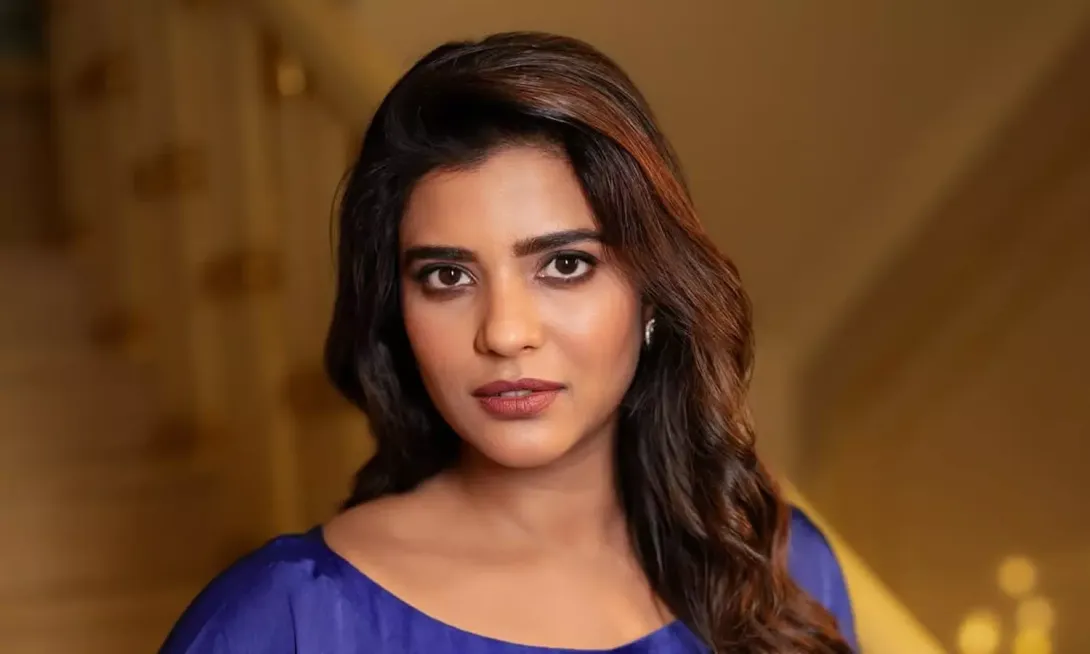
Actor Aishwarya Rajesh has publicly alleged that she faced harassment by a photographer during the early stages of her career, adding a renewed voice to the ongoing conversation around workplace safety in the entertainment industry. Her disclosure, shared in a reflective and restrained tone, underscores the structural vulnerabilities faced by newcomers navigating informal power hierarchies. While no legal proceedings have been announced, the statement has prompted industry-wide discussion on ethical conduct, consent, and accountability. The episode highlights the persistent need for transparent safeguards and professional standards in creative ecosystems that often operate without formal oversight.
The Allegation and Its Context
Aishwarya Rajesh, known for her body of work across multiple regional film industries, revealed that she experienced inappropriate conduct from a photographer early in her professional journey. According to her account, the incident occurred at a time when she was still establishing herself and lacked institutional support or leverage.
Her statement did not name the individual involved, nor did it outline specific legal action, suggesting that the disclosure was intended to share lived experience rather than pursue immediate redress.
Power Imbalance in Creative Professions
Industry observers note that such allegations often surface from environments marked by asymmetrical power dynamics. For aspiring actors, photographers and casting intermediaries can wield disproportionate influence over access and visibility.
This structural imbalance, experts argue, creates conditions where misconduct can go unreported due to fear of professional retaliation or career stagnation. Rajesh’s account reflects these broader systemic concerns rather than an isolated incident.
Industry Reaction and Public Discourse
The disclosure has resonated widely across social and professional circles, drawing support from peers and advocacy groups who emphasize the importance of speaking out. While reactions have largely centered on solidarity, there have also been calls for due process and responsible discourse, reinforcing the need to balance empathy with factual caution.
No formal response from industry bodies or photographer associations has been reported at this stage.
Renewed Focus on Safeguards and Ethics
The episode has renewed scrutiny of workplace protocols within the entertainment sector, particularly in informal settings such as photoshoots and auditions. Analysts point to the growing demand for:
- Clear codes of professional conduct
- Independent grievance redressal mechanisms
- Awareness and training on consent and boundaries
Such measures are increasingly viewed as essential to sustaining a credible and inclusive creative economy.
A Broader Cultural Reckoning
Aishwarya Rajesh’s statement aligns with a wider cultural reckoning in which individuals are reassessing long-standing norms of silence. While her disclosure stops short of legal escalation, it contributes to a cumulative narrative that challenges institutional complacency.
From a societal perspective, these conversations are seen as incremental but necessary steps toward redefining accountability in creative industries.
Conclusion
By sharing her experience, Aishwarya Rajesh has added a measured yet powerful perspective to the ongoing debate around safety and ethics in the film industry. Her account underscores how early-career vulnerabilities can leave lasting impressions, while also highlighting the importance of creating professional environments where dignity is non-negotiable. As the industry continues to evolve, such disclosures may play a critical role in shaping more transparent and responsible standards for the future.
Comments