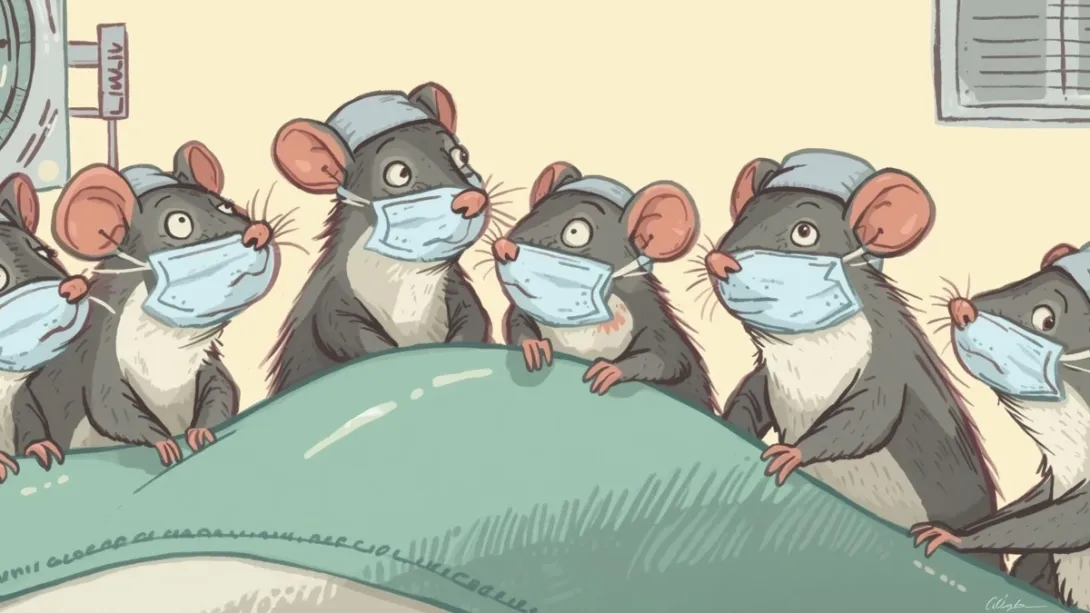
A team of Spanish researchers has reported a major advance in pancreatic cancer research, demonstrating that an innovative three-pronged treatment strategy successfully eliminated pancreatic tumors in preclinical mouse models. The approach combines immunotherapy, targeted molecular treatment, and metabolic intervention to attack cancer cells on multiple fronts. Given pancreatic cancer’s reputation as one of the most aggressive and treatment-resistant malignancies, the findings mark a potentially transformative step forward. While the therapy remains at an experimental stage, the results provide a compelling scientific foundation for future clinical trials and underscore the growing importance of combination therapies in oncology.
A Persistent Challenge in Oncology
Pancreatic cancer remains among the deadliest forms of cancer worldwide, largely due to late diagnosis, rapid progression, and limited response to conventional treatments. Survival rates have improved only marginally over the past several decades, frustrating clinicians and researchers alike. Against this backdrop, any credible breakthrough draws significant global attention.
The latest findings from Spain arrive at a critical moment, as oncology research increasingly shifts from single-drug interventions toward integrated, multi-mechanism strategies designed to outmaneuver complex tumor biology.
Inside the Triple-Therapy Strategy
The Spanish research team adopted a comprehensive approach, combining three distinct therapeutic pathways into a single coordinated regimen. The therapy integrates immune system activation, precise molecular targeting of tumor growth pathways, and disruption of the cancer’s metabolic processes.
By simultaneously weakening tumor defenses and enhancing immune response, the treatment prevented cancer cells from adapting or developing resistance—an outcome that has long hindered progress in pancreatic cancer therapies. In mouse models, the tumors were not only reduced but completely eradicated, with no immediate signs of relapse during the observation period.
Why Combination Therapies Matter
Experts note that pancreatic tumors are particularly adept at creating a protective microenvironment, shielding themselves from immune attacks and standard drugs. Single-line treatments often fail to penetrate this defense.
The success of the triple-therapy approach reinforces a growing consensus in cancer research: durable results are more likely when therapies work in concert rather than isolation. By targeting multiple vulnerabilities at once, researchers can significantly improve treatment efficacy and reduce the risk of resistance.
Implications for Human Trials
While the results are limited to animal models, the implications for human medicine are substantial. Preclinical success is a critical prerequisite for advancing to clinical trials, and the robustness of the findings positions the therapy as a strong candidate for further development.
Researchers caution, however, that translating results from mice to humans requires careful evaluation of safety, dosage, and long-term outcomes. Regulatory approvals and phased clinical trials will determine whether the therapy can be adapted for patient use.
A Measured but Meaningful Step Forward
The Spanish study does not represent an immediate cure, but it does mark a meaningful stride toward redefining how pancreatic cancer is treated. As global investment in oncology research accelerates, such breakthroughs highlight the value of collaborative science and innovative thinking.
For patients and clinicians confronting one of medicine’s most formidable adversaries, the findings offer something long in short supply: cautious optimism grounded in credible science.
Comments