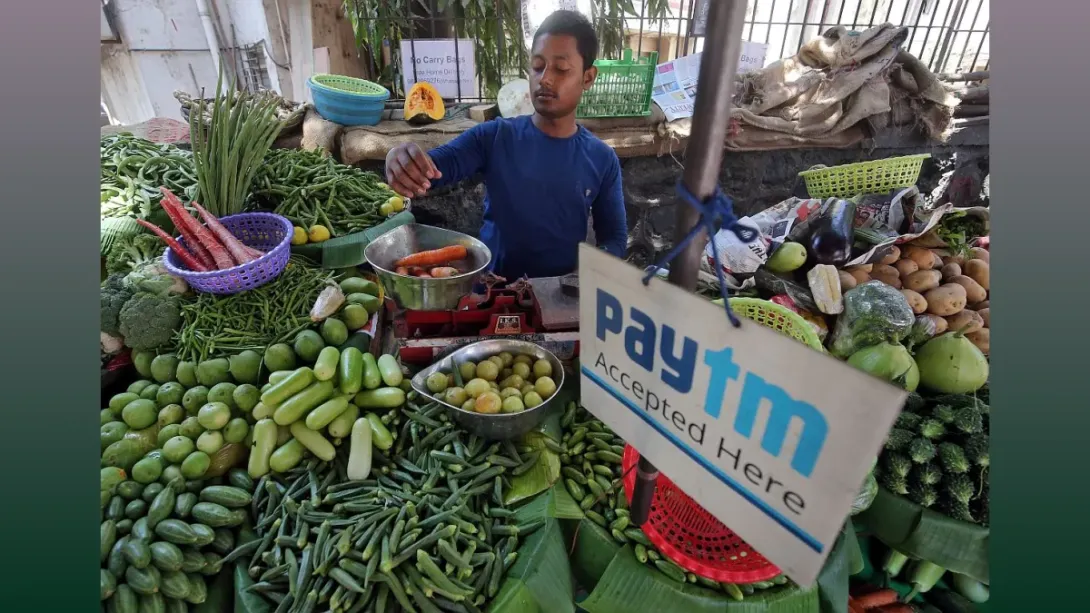
Paytm has reported steady revenue growth alongside improving profitability, signaling a structural shift in its business model after years of heavy investment. The digital payments and financial services firm is benefiting from operating leverage, tighter cost controls, and stronger monetization across core segments such as payments, lending distribution, and merchant services. The performance reflects a strategic pivot from rapid expansion to disciplined execution, reassuring investors about the company’s long-term viability. While regulatory and competitive challenges remain, Paytm’s latest financial trajectory suggests it is moving closer to sustained, predictable earnings in a maturing fintech market.
Revenue Growth Anchored in Core Businesses
Paytm’s top-line expansion has been driven primarily by its core payments ecosystem, which continues to scale across both consumers and merchants. Higher transaction volumes, deeper merchant engagement, and increased adoption of value-added services have contributed to consistent revenue gains.
The company’s lending distribution and financial services offerings have also supported growth, benefiting from partnerships with regulated financial institutions and a data-driven approach to customer acquisition.
Path to Profitability Becomes Clearer
After years of prioritizing market share, Paytm has shifted focus toward profitability and capital efficiency. Operating expenses have been rationalized, marketing spends optimized, and non-core initiatives scaled back. These measures have resulted in improved margins and reduced cash burn.
Analysts note that the company is beginning to benefit from operating leverage, where incremental revenue is translating into a disproportionate improvement in earnings.
Improving Unit Economics and Cost Discipline
A key factor behind Paytm’s improved financial performance is stronger unit economics. Revenue per user and per merchant has increased, while customer acquisition costs have declined. Enhanced automation and technology-driven efficiencies have further supported margin expansion.
This disciplined approach has helped the company navigate a highly competitive fintech environment without sacrificing growth potential.
Market Confidence and Investor Outlook
The combination of revenue momentum and sustained profitability has begun to reshape market perceptions around Paytm. Investors are increasingly focused on cash flow stability, regulatory compliance, and the durability of earnings rather than headline growth alone.
While near-term volatility cannot be ruled out, particularly given regulatory scrutiny in the fintech space, Paytm’s evolving financial profile positions it more favorably for long-term value creation.
Long-Term Strategic Implications
Paytm’s transition from a growth-at-all-costs model to a more balanced, profitability-driven strategy marks a significant inflection point. If execution remains consistent, the company could emerge as a more resilient and credible player in India’s digital financial ecosystem, combining scale with sustainable financial performance.
Comments