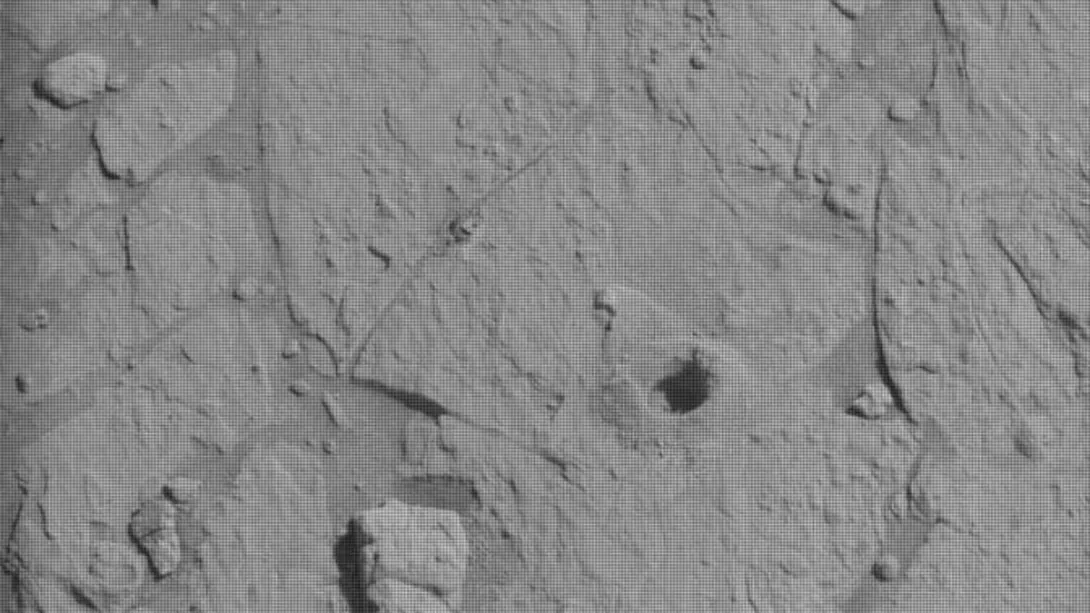
NASA’s Curiosity rover continues to reshape scientific understanding of Mars, delivering fresh data that deepens insight into the planet’s geological history and potential for past life. Operating in the Gale Crater region, Curiosity has identified complex organic compounds and evidence of ancient water activity, reinforcing theories that Mars once supported habitable conditions. These findings extend beyond planetary science, influencing long-term space exploration strategies and research investments. As Curiosity enters its second decade of operations, its sustained performance underscores the value of resilient engineering and patient scientific inquiry in unlocking answers about planetary evolution and humanity’s prospects beyond Earth.
A Decade of Discovery on the Red Planet
Since landing on Mars, Curiosity has traveled kilometers across challenging terrain, analyzing rock formations that record billions of years of planetary history. Its instruments have provided high-resolution chemical and mineralogical data, allowing scientists to reconstruct environmental conditions that prevailed when Mars was warmer and wetter. Few missions have matched Curiosity’s longevity or scientific output.
Evidence of Water and Organic Chemistry
One of Curiosity’s most significant contributions has been confirming that liquid water once existed on Mars’ surface. Sedimentary rock layers and mineral deposits indicate long-standing lakes and streams. The rover has also detected organic molecules—key building blocks of life—preserved in ancient rock samples, though researchers caution that these findings do not constitute proof of past organisms.
Implications for Future Mars Missions
Curiosity’s discoveries are directly shaping the design and objectives of subsequent Mars missions. Data from the rover inform landing site selection, instrument development and sample-collection strategies. From a programmatic standpoint, these insights help reduce mission risk and optimize the substantial financial investments associated with interplanetary exploration.
Technological and Economic Value
Beyond science, the mission demonstrates the economic rationale for sustained space exploration. Technologies developed for Curiosity—ranging from autonomous navigation to advanced materials—have applications in robotics, artificial intelligence and data analysis. Such spillover benefits strengthen the case for continued public and private investment in space research.
A Continuing Journey of Exploration
Despite operating far beyond its original design life, Curiosity remains fully engaged in its scientific mission. Each new dataset adds depth to humanity’s understanding of Mars and informs broader questions about planetary habitability. As the rover continues its methodical exploration, it stands as a testament to the enduring value of long-term scientific vision and exploration-driven innovation.
Comments