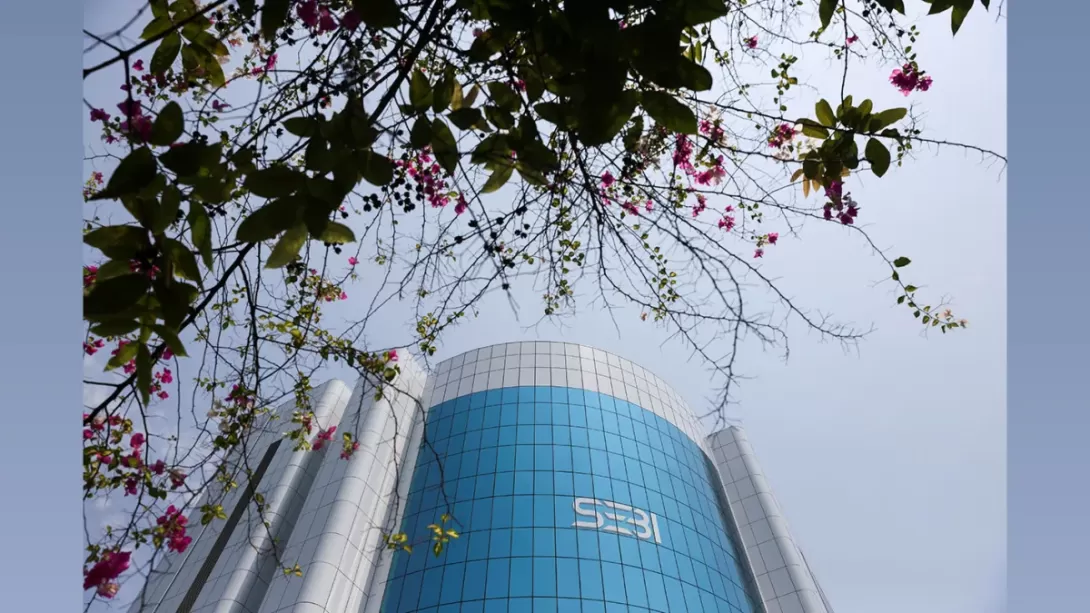
In a sweeping enforcement action, India’s securities regulator SEBI has imposed penalties totaling Rs. 58.5 crore on four senior executives of Seya Industries, including promoter and Chairperson Ashok Rajani and CFO Amrit Rajani, for their alleged involvement in a financial fraud scheme. The case centers around the diversion of Rs. 81.26 crore through related-party entities, fictitious transactions, and falsified financial statements between FY19 and FY21. The regulator found systemic violations of disclosure norms and fraudulent trade practices, leading to a five-year ban on the implicated individuals from holding any key roles in listed entities. The investigation follows forensic audits and investor complaints.
SEBI Uncovers Large-Scale Corporate Fraud at Seya Industries
The Securities and Exchange Board of India (SEBI) has exposed a major financial scandal involving Seya Industries, a company now under the scrutiny of multiple regulatory bodies. The watchdog’s final order, spanning 122 pages, outlines how senior leadership at Seya orchestrated the diversion of funds totaling Rs. 81.26 crore under the guise of routine business transactions. These funds were funneled through privately held entities connected to the promoter family, including Whiz Enterprises, Aneeka Universal, and Shri Balaji Entertainments.
The misconduct, occurring over three fiscal years (FY19–FY21), involved extensive non-disclosure of related-party transactions and the artificial inflation of revenues. SEBI concluded that these deceptive practices were designed to present a distorted financial picture to investors, stock exchanges, and regulators.
Regulatory Penalties and Individual Accountability
SEBI levied the most severe penalties against the principal actors in the scheme. Ashok Ghanshyamdas Rajani, Chairman and Managing Director, and his son Amrit Rajani, who also served as the company’s Chief Financial Officer, were each fined Rs. 28 crore. Executive directors Asit Kumar Bhowmik and Sivaprasada Rao Buddi were fined Rs. 2 crore and Rs. 50 lakh, respectively.
Beyond financial penalties, SEBI has imposed a five-year prohibition on all four executives from participating in India’s securities markets or holding any directorships or key managerial roles in listed companies or SEBI-registered intermediaries. The ban reflects the gravity of the violations and the regulator’s intent to send a clear deterrent signal to corporate India.
SEBI’s order emphasized that both Ashok and Amrit Rajani were deeply involved in the day-to-day operations of Seya and knowingly signed off on misleading financial statements. As KMPs, they bore primary responsibility for the integrity of the company’s disclosures and financial reporting.
Forensic Audit and Ongoing Insolvency Proceedings
The case against Seya Industries originated from a series of investor complaints, notably from SC India Fund Manager, between 2020 and 2021. Allegations included private placements of securities based on exaggerated financial metrics. SEBI launched an in-depth investigation and appointed global advisory firm Ernst & Young to conduct a forensic audit in September 2021 after Seya failed to comply with National Stock Exchange (NSE) queries.
The forensic findings validated investor concerns, revealing widespread manipulation of interest accounting between FY20 and FY22, along with falsified sales and purchase records in FY19 and FY20. SEBI also found that Seya's financial statements failed to adhere to Indian Accounting Standards, raising red flags about corporate governance.
Notably, due to pending insolvency proceedings under India’s Insolvency and Bankruptcy Code (IBC), SEBI has withheld enforcement actions directly against the company itself for now. Those actions will be addressed in a separate proceeding after the resolution process concludes.
Investor Impact and Market Repercussions
The exposure of this financial malpractice has dealt a significant blow to investor confidence in Seya Industries. Although trading in the company’s shares has been limited due to insolvency proceedings, the long-term reputational damage is substantial. Market participants are particularly concerned with the erosion of transparency and fiduciary responsibility within the company’s leadership.
The Rs. 81.26 crore in diverted funds must now be returned to Seya Industries within six months, along with 12% annual interest from the date of transfer. This directive is aimed at restoring at least partial value to creditors and stakeholders harmed by the fraudulent transactions.
The scandal also raises broader questions about the effectiveness of board oversight in mid-cap firms and the timeliness of regulatory intervention. It underscores the growing need for robust internal controls, proactive audits, and independent governance mechanisms.
Conclusion: A Warning Shot to Corporate India
SEBI’s decisive action against Seya Industries and its top executives serves as a sharp reminder that market integrity is non-negotiable. In an era where corporate accountability is increasingly in the spotlight, regulatory vigilance is essential to protect investors and ensure fair market conduct.
The fallout from this case is likely to resonate beyond Seya, prompting a renewed focus on corporate disclosures, audit transparency, and the ethical obligations of leadership. As SEBI continues to reinforce compliance standards, companies would do well to remember: the cost of deception far outweighs the benefits of ill-gotten gains.
Comments