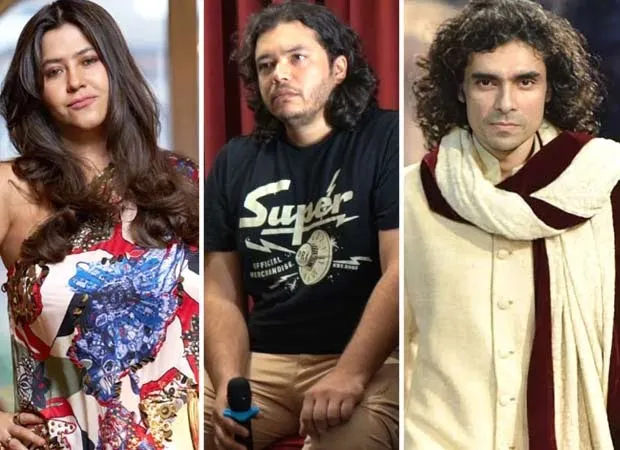
The creative forces behind the critically acclaimed romantic drama Laila Majnu have officially reunited to announce their next ambitious project, Heer Ranjha. The new film seeks to reinterpret one of the subcontinent’s most enduring love legends for contemporary audiences while preserving its classical emotional depth. Industry observers view the announcement as a strategic attempt to capitalize on renewed audience appetite for rooted storytelling and poetic narratives. With the earlier collaboration earning critical acclaim and sustained cult appreciation, expectations are high. The project signals a broader trend in Hindi cinema, where literary adaptations and epic romances are reclaiming commercial and artistic relevance.
A Strategic Creative Reunion
The makers of Laila Majnu have confirmed their reunion for Heer Ranjha, a cinematic retelling of another iconic tragic love story embedded deeply in Punjabi folklore. The announcement has generated considerable interest within trade circles, given the earlier film’s strong critical reception and long-term audience resonance.
While casting and production timelines remain under wraps, insiders suggest the project is being positioned as both a creative and commercial milestone. The decision to revisit a legendary romance underscores confidence in audience demand for emotionally driven narratives amid a market saturated with action spectacles.
Revisiting a Timeless Folklore
The legend of Heer and Ranjha occupies a revered place in South Asian literary tradition. The tale, immortalized in poetry and oral history, explores themes of devotion, societal resistance, and sacrifice — elements that continue to resonate across generations.
By choosing this narrative, the filmmakers appear to be building on the thematic foundation that defined Laila Majnu: intense romantic longing, lyrical storytelling, and tragic destiny. Analysts note that literary adaptations offer built-in brand recall while allowing creative reinterpretation, making them commercially attractive propositions when executed effectively.
Market Timing and Industry Context
The announcement comes at a time when mid- to large-scale romantic dramas are gradually reclaiming theatrical space. Following a period dominated by high-octane action franchises, audience fatigue has opened opportunities for emotionally grounded storytelling.
From a business perspective, romantic epics typically operate with controlled production budgets relative to large-scale action films, enabling stronger return-on-investment ratios if box office performance remains steady. Additionally, such films often generate long-tail value through music streaming, satellite rights, and digital platform licensing.
Trade experts suggest that Heer Ranjha could benefit from strategic release timing, particularly during festive or holiday windows traditionally favorable for family-oriented narratives.
Building on Cult Legacy
The earlier collaboration on Laila Majnu did not initially set the box office ablaze but gradually achieved cult status through digital rediscovery and word-of-mouth appreciation. That trajectory offers valuable lessons for positioning Heer Ranjha.
Sustained audience engagement, powerful music, and authentic performances were key differentiators previously. If the upcoming project replicates that emotional sincerity while enhancing scale and marketing reach, it could convert critical acclaim into stronger theatrical returns.
Commercial Outlook and Creative Stakes
The reunion represents more than nostalgia; it reflects calculated optimism about storytelling rooted in cultural memory. Romantic tragedies, when executed with cinematic conviction, possess cross-generational appeal and international diaspora traction.
In an era where content differentiation is crucial, revisiting legendary love sagas may offer both artistic prestige and commercial viability. The success of Heer Ranjha will ultimately hinge on execution — balancing poetic fidelity with modern cinematic language.
For now, the announcement signals renewed confidence in romance as a bankable genre. As audiences increasingly seek emotional authenticity over spectacle-driven excess, the stage appears set for epic love stories to reclaim their prominence in mainstream cinema.
Comments