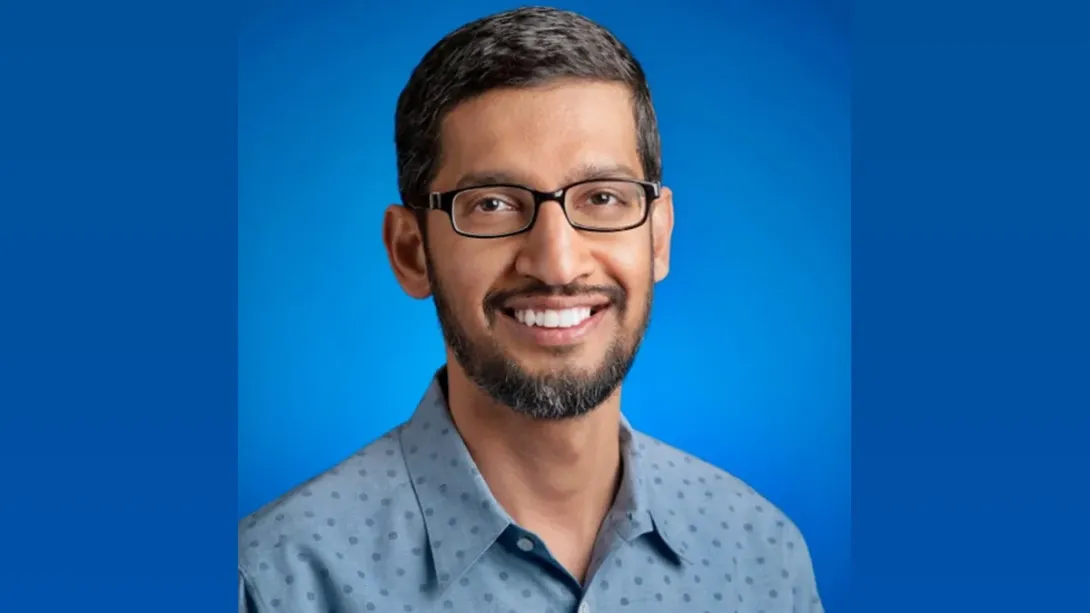
India is uniquely positioned to shape the future of artificial intelligence, according to Sundar Pichai, who has highlighted the country’s scale, talent depth and digital public infrastructure as decisive advantages. Speaking on India’s technology trajectory, Pichai emphasized that AI will be a critical driver of productivity, innovation and inclusive growth. With millions of developers, a rapidly digitizing economy and strong policy momentum, India has the potential not only to adopt AI at scale but also to influence how it is built and governed globally.
India’s Structural Advantage in AI
Pichai pointed to India as one of the few countries capable of deploying artificial intelligence across a population of more than a billion people. Digital platforms, widespread mobile connectivity and public digital infrastructure have created a foundation where AI solutions can be tested, refined and scaled rapidly.
This combination, he noted, gives India an opportunity to move beyond consumption of technology toward meaningful innovation and leadership.
Talent at the Core of the Opportunity
A central pillar of India’s AI promise is its vast talent pool. Millions of engineers, data scientists and technology professionals are entering the workforce, supported by a growing ecosystem of startups and research institutions.
Pichai emphasized that continued investment in education—particularly in computer science, mathematics and critical thinking—will be essential to sustain long-term competitiveness as AI systems become more complex.
AI as a Catalyst for Inclusive Growth
Beyond commercial applications, AI holds significant potential for social and economic impact. From healthcare diagnostics and agricultural productivity to language translation and education, AI can address structural challenges at scale.
Pichai noted that India’s diversity presents a unique testing ground for building inclusive and multilingual AI systems that can later be adapted for global use.
Role of Industry and Policy
He also stressed the importance of collaboration between industry, academia and government. Clear policy frameworks, responsible AI practices and support for innovation will be critical to ensuring that growth remains sustainable and trusted.
Global technology firms, he said, see India not just as a market but as a strategic partner in shaping the future of AI.
Looking Ahead
Pichai’s remarks reinforce a growing consensus: India’s AI moment is approaching rapidly. Whether the country emerges as a global AI leader will depend on how effectively it aligns talent, infrastructure and governance.
If executed well, India could play a defining role in ensuring that artificial intelligence becomes a force for broad-based progress rather than concentrated advantage.
Comments