India’s market regulator is re-evaluating the regulatory framework governing environmental, social and governance ratings amid rising concerns over consistency, credibility and investor reliance. Securities and Exchange Board of India has initiated a review of existing ESG rating norms to address gaps in methodology, disclosure standards and oversight. The move reflects the growing influence of ESG metrics in investment decisions and the need for a robust, transparent system that aligns with global best practices. A tighter framework could significantly reshape how sustainability performance is assessed and reported in Indian capital markets.
Rising Importance of ESG in Capital Markets
ESG ratings have become a critical input for institutional and retail investors as sustainability considerations increasingly influence capital allocation. Companies with strong ESG profiles often enjoy better access to capital and lower risk perception, amplifying the impact of rating agencies on market behavior.
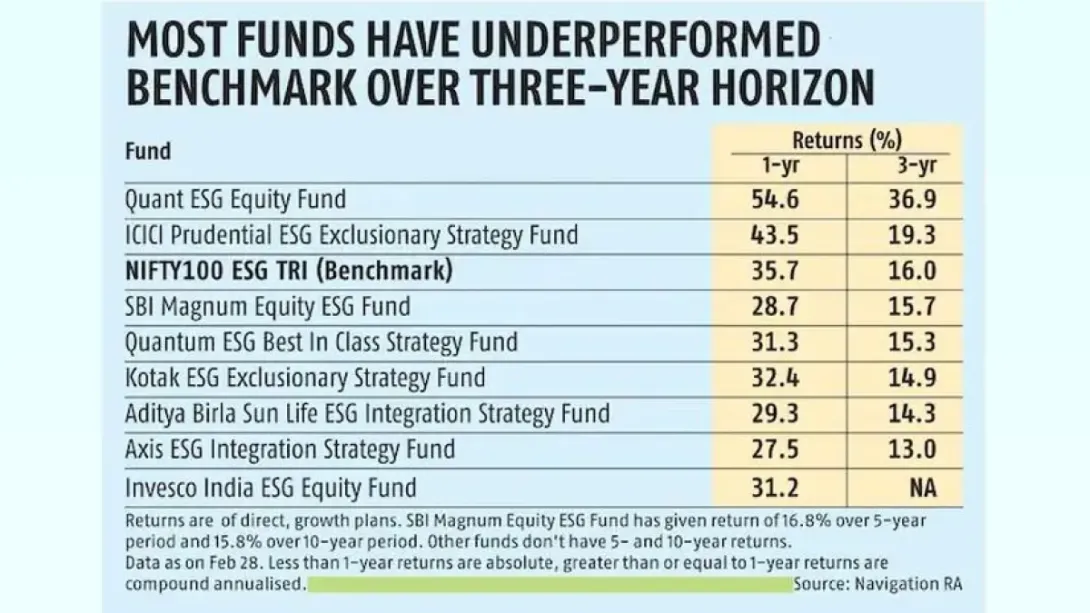
SEBI’s review comes at a time when ESG-linked funds and mandates are expanding rapidly, making the accuracy and comparability of such ratings a matter of public interest.
Concerns Over Methodology and Consistency
One of the central issues under review is the lack of uniformity in ESG rating methodologies. Different agencies often assign divergent scores to the same company, creating confusion for investors and raising questions about reliability.
Regulatory scrutiny is expected to focus on disclosure of rating criteria, data sources and weighting mechanisms, ensuring that ratings are both explainable and auditable.
Strengthening Oversight and Accountability
SEBI is also examining whether existing oversight mechanisms are sufficient as ESG ratings gain systemic importance. Market participants anticipate clearer rules around conflicts of interest, governance standards for rating providers and periodic review of methodologies.
Experts believe stronger accountability could enhance confidence in ESG scores and prevent misuse or superficial compliance, often referred to as “greenwashing.”
Alignment With Global Standards
The review is likely to consider alignment with international ESG frameworks and best practices, enabling Indian markets to remain attractive to global investors. Harmonization could also help Indian companies benchmark themselves more effectively against global peers.
Such alignment is seen as essential as cross-border investments increasingly rely on standardized sustainability metrics.
Market Implications and the Road Ahead
Any regulatory overhaul could have wide-ranging implications for listed companies, rating agencies and investors. Firms may face higher disclosure expectations, while rating providers could see increased compliance obligations.
In the long run, a more rigorous ESG rating framework could enhance market discipline and transparency. SEBI’s review signals a clear intent: sustainability metrics must be credible, comparable and capable of supporting informed investment decisions in an evolving financial landscape.
Comments