Researchers are gaining fresh insight into a rare seismic phenomenon known as “boomerang” earthquakes—events in which seismic ruptures reverse direction and re-rupture the same fault segment. Unlike conventional earthquakes that propagate in a single direction, these unusual tremors challenge long-standing assumptions about fault mechanics and energy release. Recent studies suggest that variations in fault strength, stress distribution, and underground rock properties play a decisive role in triggering this reversal. While boomerang earthquakes are uncommon, understanding their mechanism is critical for improving seismic hazard models and refining how scientists interpret earthquake behavior in complex tectonic zones.
What Are “Boomerang” Earthquakes?
Boomerang earthquakes occur when a seismic rupture travels along a fault, slows or stops, and then reverses course—effectively retracing its path. This contrasts with standard earthquakes, where rupture typically spreads outward in one dominant direction.
Seismologists note that these events are not aftershocks, but part of the same rupture process, making them particularly intriguing from a scientific standpoint.
The Underlying Mechanism
Current research points to uneven stress conditions along fault lines as the primary driver. When a rupture encounters a segment with higher resistance—due to rock composition, temperature, or pressure—it may temporarily stall. Energy trapped behind this barrier can then force the rupture to propagate backward.
Advanced seismic imaging and modeling indicate that fault-zone complexity, rather than magnitude alone, determines whether a boomerang effect can occur.
Why These Findings Matter
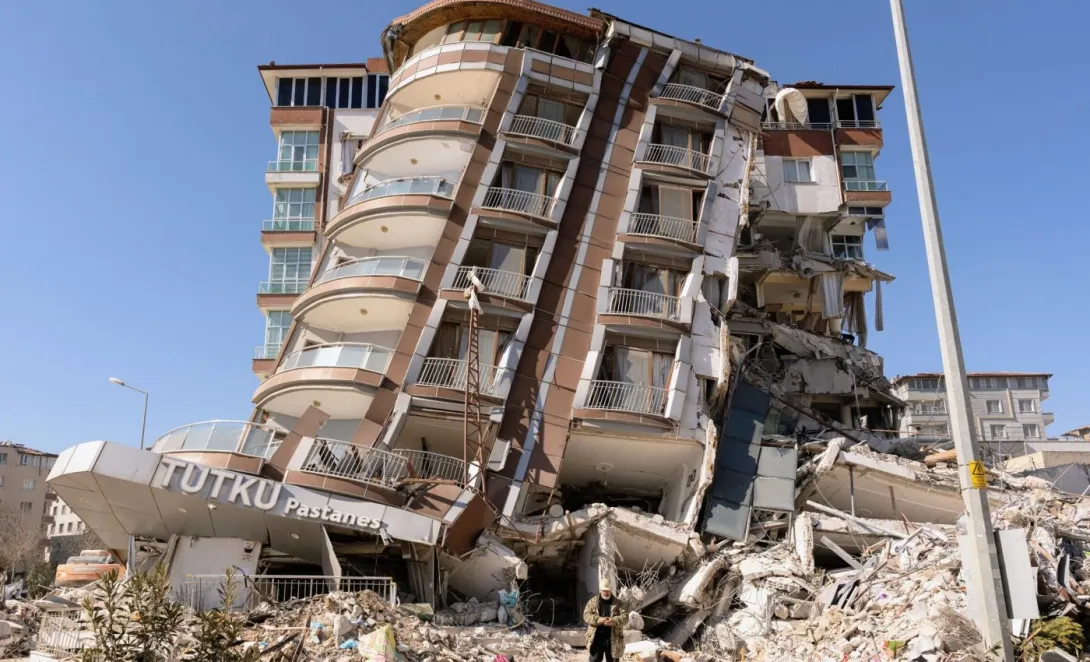
From a risk-analysis perspective, boomerang earthquakes complicate how ground motion is predicted. Reverse rupture can intensify shaking in areas already affected moments earlier, potentially amplifying damage.
For policymakers and urban planners, this underscores the importance of incorporating fault complexity—not just historical magnitude—into earthquake preparedness frameworks.
Broader Implications for Seismology
The growing body of evidence around boomerang earthquakes is reshaping how scientists view fault dynamics. Rather than behaving as simple fractures, faults are increasingly understood as highly variable systems with feedback loops.
As seismic monitoring technology improves, researchers expect more such events to be identified—enhancing predictive models and contributing to safer infrastructure planning in earthquake-prone regions.
Comments