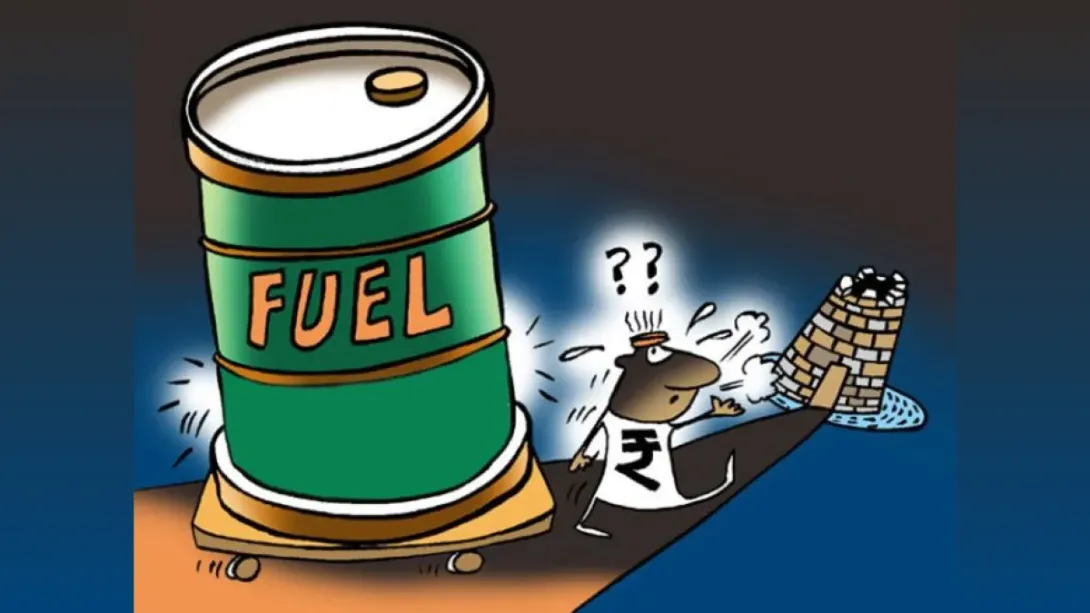
Indian equity benchmarks suffered a steep decline as escalating geopolitical tensions in West Asia rattled global financial markets and dampened investor sentiment. The Sensex and Nifty registered significant losses amid concerns over rising crude oil prices, potential supply chain disruptions, and increased risk aversion among foreign institutional investors. Banking, auto, and IT stocks bore the brunt of the selloff, while defensive sectors showed relative resilience. Analysts warned that prolonged instability in the region could exacerbate inflationary pressures and strain India’s fiscal outlook. Market participants are now closely monitoring global developments and central bank responses for further direction.
Markets Under Pressure Amid Global Uncertainty
Indian stock markets experienced a pronounced downturn as intensifying instability in West Asia reverberated across global financial systems. The benchmark indices — the BSE Sensex and the NSE Nifty 50 — closed sharply lower, reflecting heightened anxiety among domestic and international investors.
The broad-based selloff was largely driven by fears that the unfolding geopolitical crisis could disrupt global energy supplies, particularly crude oil shipments through strategic transit corridors. For an economy like India, which relies heavily on energy imports, any sustained spike in oil prices can exert pressure on inflation, the current account deficit, and the rupee.
Oil Price Fears Shake Investor Confidence
Global crude oil prices surged in response to the escalating conflict, raising immediate concerns over input costs for Indian industries. Higher energy prices typically translate into elevated transportation, manufacturing, and logistics expenses, potentially compressing corporate profit margins.
Market participants fear that a sustained oil rally could compel the Reserve Bank of India to maintain a cautious monetary stance, delaying any potential rate cuts. Such a scenario would likely weigh on interest-sensitive sectors such as banking, real estate, and automobiles.
Foreign institutional investors, already navigating global volatility, appeared to reduce exposure to emerging markets, including India. Analysts noted that risk-off sentiment tends to trigger capital outflows from higher-yield markets during periods of geopolitical stress.
Sectoral Impact: Financials and IT Lead Declines
Banking and financial services stocks were among the worst hit, as investors priced in the possibility of slower credit growth and margin pressures. Information technology companies also witnessed heavy selling, reflecting broader global risk aversion and potential demand uncertainty in overseas markets.
Automobile manufacturers faced pressure amid concerns over rising raw material and fuel costs. Meanwhile, defensive sectors such as fast-moving consumer goods and pharmaceuticals demonstrated relative resilience, offering investors limited safe havens.
Mid-cap and small-cap indices mirrored the broader weakness, underscoring the depth of the market correction. The decline was not confined to frontline stocks but extended across market capitalizations.
Macroeconomic Implications for India
From a macroeconomic perspective, sustained geopolitical instability in West Asia could present significant challenges. A sharp increase in crude oil prices would widen India’s trade deficit and potentially weaken the rupee. Imported inflation could intensify, complicating monetary policy decisions.
India’s fiscal calculations may also come under strain if the government opts to cushion consumers from rising fuel costs through tax adjustments or subsidies. Such measures, while politically sensitive, could impact deficit targets.
Economists caution that while short-term volatility is inevitable, the long-term trajectory will depend on the duration and intensity of the crisis. Should tensions ease swiftly, markets may stabilize just as rapidly.
Global Context and Investor Outlook
The turbulence in Indian equities mirrors a broader global pattern, with major international indices also experiencing volatility. Safe-haven assets such as gold and the U.S. dollar strengthened, reflecting a classic flight to safety.
Institutional investors are closely monitoring diplomatic developments and potential policy interventions by major central banks. Any signs of de-escalation could provide relief to risk assets, while further escalation may deepen market corrections.
For now, market strategists advise investors to remain cautious but not reactive. Historically, geopolitical shocks have often resulted in temporary dislocations rather than structural economic damage, unless accompanied by sustained economic disruption.
A Market in Wait-and-Watch Mode
The sharp fall in the Sensex and Nifty underscores the fragility of investor confidence during periods of geopolitical stress. While India’s economic fundamentals remain comparatively resilient, external shocks — particularly those linked to energy security — can swiftly alter market dynamics.
In the coming sessions, attention will remain fixed on developments in West Asia, crude oil price movements, and foreign capital flows. Until greater clarity emerges, volatility is likely to remain elevated, keeping traders and long-term investors alike on edge.
Comments