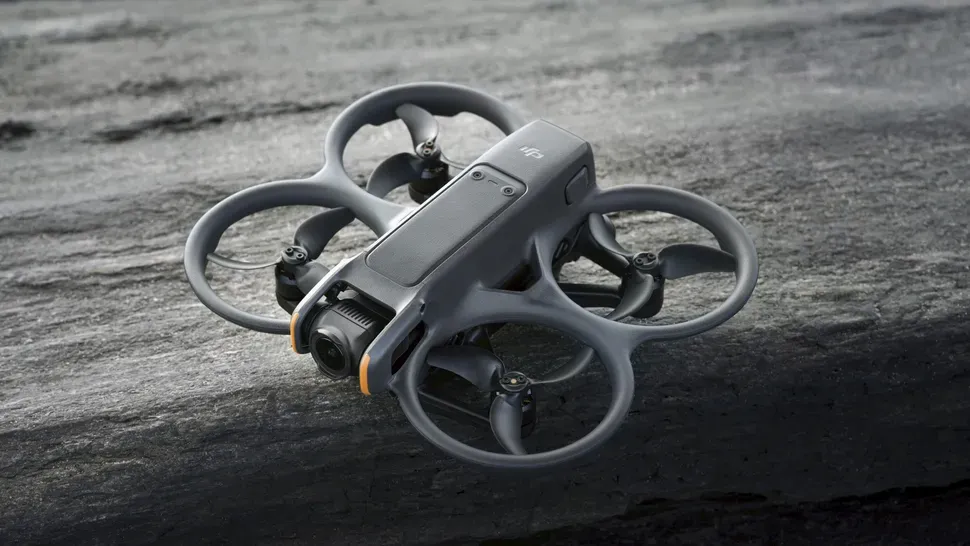
DJI has unveiled a sample video highlighting the capabilities of its latest immersive drone technology, the Avata 360, offering a glimpse into advanced aerial cinematography and first-person-view performance. The demonstration underscores improvements in stabilization, image clarity, and dynamic maneuverability, positioning the product as a powerful tool for content creators and commercial operators. Industry analysts see the announcement as part of DJI’s broader effort to consolidate its leadership in the fast-evolving consumer and prosumer drone market. As immersive video formats gain traction across social platforms and enterprise use cases, DJI’s latest showcase reinforces its innovation-driven brand strategy.
A Strategic Product Showcase
DJI has released a sample video demonstrating the capabilities of its new DJI Avata 360, providing a detailed look at the drone’s immersive recording potential and agile flight dynamics. The footage emphasizes ultra-smooth stabilization, high-resolution capture, and responsive maneuvering—features designed to elevate aerial storytelling.
The company’s decision to spotlight real-world footage reflects a growing emphasis on experiential marketing, where visual demonstration often proves more persuasive than technical specifications alone.
Advancing Immersive Aerial Cinematography
The Avata 360 is engineered to cater to first-person-view (FPV) enthusiasts and professional videographers seeking compact yet powerful aerial platforms. The sample video highlights seamless 360-degree capture, enabling creators to reframe footage in post-production without sacrificing clarity.
Enhanced image sensors, improved low-light performance, and refined electronic stabilization algorithms contribute to cinematic-grade output. Such technological refinements are increasingly critical as content platforms prioritize immersive formats, including virtual reality and interactive video experiences.
Industry observers note that 360-degree video capabilities are gaining traction in tourism marketing, real estate visualization, sports coverage, and social media storytelling.
Market Positioning and Competitive Landscape
DJI continues to dominate the global consumer drone segment, leveraging its integrated ecosystem of hardware, software, and accessories. By introducing a 360-focused model within its Avata line, the company is targeting a niche yet expanding market of creators who demand flexibility and immersive output.
The global drone market has become more competitive in recent years, with emerging players introducing lower-cost alternatives. However, DJI’s reputation for reliability, flight stability, and image quality has allowed it to maintain strong brand equity.
Analysts suggest that product demonstrations such as this sample release serve not only to attract new buyers but also to reassure existing users of the brand’s continued innovation trajectory.
Technological Innovation and Commercial Use Cases
Beyond recreational use, immersive drone footage is increasingly integrated into commercial workflows. Construction firms utilize aerial scans for site monitoring, while event organizers deploy drones for dynamic live coverage.
The Avata 360’s stabilization and obstacle-sensing technologies are designed to reduce operational complexity, broadening accessibility for semi-professional operators. As regulatory frameworks evolve globally, drones with enhanced safety and precision features are likely to gain favor among institutional buyers.
The sample video also underscores DJI’s commitment to refining user experience, with intuitive control systems and streamlined editing integration forming part of the broader value proposition.
The Future of Immersive Flight
DJI’s latest showcase signals a strategic bet on immersive visual technology as the next frontier in digital content creation. As social media platforms increasingly support interactive and panoramic formats, the demand for advanced capture tools is expected to rise.
For content creators and enterprises alike, the Avata 360 represents more than incremental hardware improvement—it reflects a shift toward experiential storytelling from the skies. If adoption trends continue, immersive drones could transition from niche tools to mainstream creative assets.
Comments