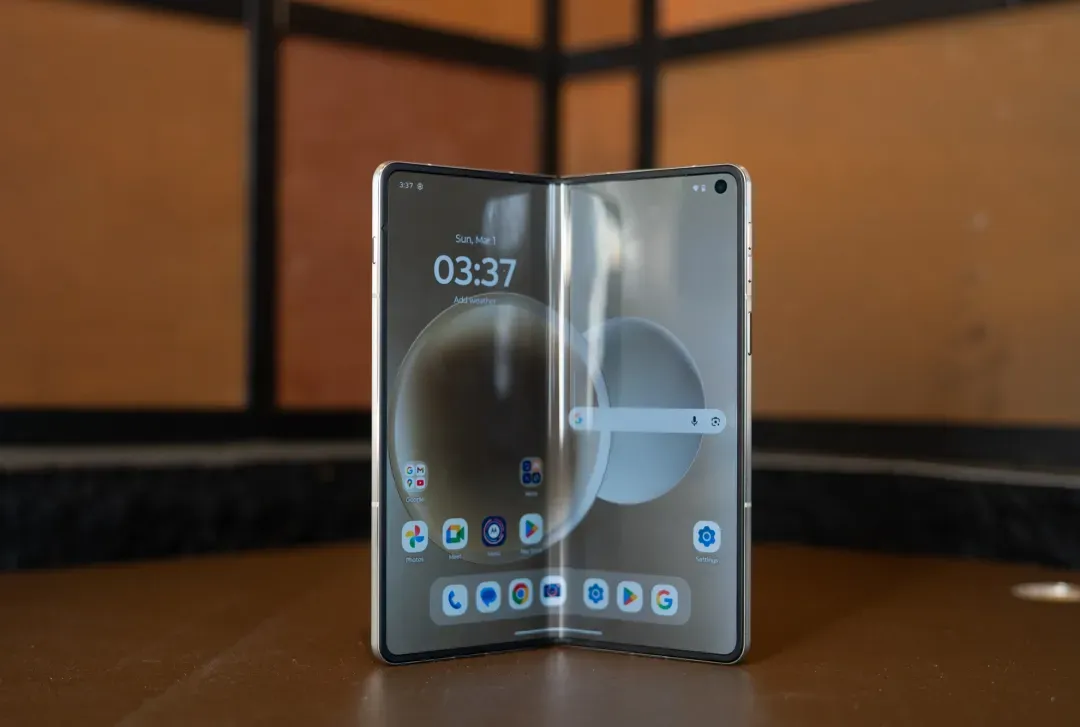
At the annual Mobile World Congress in Barcelona, Motorola introduced its latest foldable device, the Motorola Razr Fold, signaling the company’s renewed ambition in the premium smartphone segment. The launch underscores the intensifying competition in the global foldable handset market, where manufacturers are racing to deliver sleeker designs, stronger hinges, and improved battery performance. Motorola’s new device blends nostalgic design cues from the iconic Razr lineage with advanced display technology and artificial intelligence-driven features. Industry observers say the unveiling reflects a broader strategy to regain market share while capitalizing on rising consumer interest in foldable smartphones.
A Strategic Launch at the World’s Largest Mobile Event
The global smartphone industry’s most influential gathering, Mobile World Congress (MWC), once again served as the stage for major technological announcements. Among the highlights was the unveiling of the Motorola Razr Fold by Motorola, a company seeking to reinforce its relevance in an increasingly competitive premium smartphone market.
Held annually in Barcelona, MWC is widely regarded as the epicenter of mobile innovation. Manufacturers often reserve their most significant product announcements for the event, using it as a platform to demonstrate breakthroughs in hardware design, connectivity and artificial intelligence. Motorola’s latest foldable device fits squarely within this tradition.
The company’s presentation emphasized not only hardware innovation but also an evolving ecosystem of software features designed to enhance productivity and entertainment.
Reinventing an Iconic Product Line
The Razr brand carries considerable historical weight within the mobile industry. Motorola originally achieved global acclaim with its ultra-slim Razr flip phones in the mid-2000s. By introducing the Motorola Razr Fold, the company is once again attempting to merge nostalgia with cutting-edge engineering.
The newly unveiled device incorporates a flexible OLED display that folds vertically, allowing users to transition seamlessly between a compact form factor and a larger screen experience. Engineers also redesigned the hinge mechanism to improve durability and reduce the visibility of the crease—two challenges that have long confronted foldable smartphone manufacturers.
In addition, the device features an expanded external display, enabling users to respond to messages, manage notifications and access select applications without fully unfolding the phone.
Technology Upgrades and Performance Enhancements
Beyond its distinctive form factor, the Razr Fold introduces several technical improvements designed to compete with other premium foldable devices in the market.
Motorola highlighted advancements in battery efficiency, camera processing and AI-powered software features. The smartphone includes enhanced image-processing algorithms intended to deliver improved low-light photography and video stabilization.
The company also emphasized tighter integration between hardware and software. By leveraging artificial intelligence, the device can adapt interface layouts and system performance based on user behavior—an increasingly important feature as smartphone manufacturers attempt to differentiate products beyond raw hardware specifications.
Competitive Dynamics in the Foldable Smartphone Market
Motorola’s announcement comes at a time when the foldable smartphone segment is expanding rapidly but remains fiercely competitive. Major manufacturers are investing heavily in flexible display technology and durable hinge designs as they vie for dominance in the premium category.
Foldable devices, once viewed as experimental concepts, have gradually evolved into a viable product segment. However, high manufacturing costs and premium pricing continue to limit widespread adoption.
Industry analysts suggest that Motorola’s strategy hinges on combining brand nostalgia with meaningful technical innovation. If successful, the approach could allow the company to strengthen its position against larger competitors while attracting consumers seeking a distinctive design.
Market Outlook and Strategic Implications
The introduction of the Motorola Razr Fold reflects a broader shift within the smartphone industry toward form-factor experimentation and premium differentiation. As hardware improvements in traditional smartphones become incremental, manufacturers are increasingly exploring foldable and rollable displays to stimulate consumer demand.
For Motorola, the Razr line represents both a technological statement and a strategic business opportunity. Success in the foldable category could help the company expand margins and reinforce brand recognition in a crowded global market.
While the commercial performance of the Razr Fold will ultimately depend on pricing, durability and consumer reception, its debut at Mobile World Congress highlights the industry’s continued pursuit of transformative smartphone design.
Comments