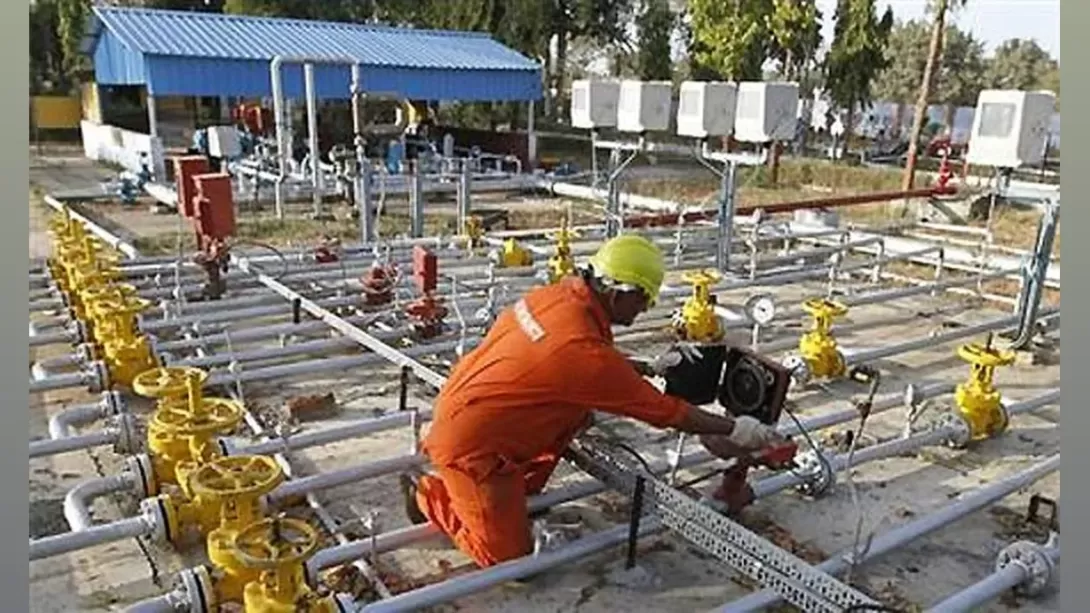
BP's Strategic Response to India's Upstream Oil and Gas Reforms
India’s recent overhaul of its oil and gas regulations is drawing attention from foreign investors, particularly energy giants like BP. With the passage of the new legislation, which expands the scope of exploration and introduces key measures to enhance business operations, BP sees a unique opportunity for growth in the Indian energy sector. BP CEO Murray Auchincloss expressed optimism about the reforms, noting their potential to attract global players and stimulate investment in India’s oil and gas industry. This article examines BP's involvement in India, its partnership with Reliance Industries, and the broader implications of the country’s evolving energy landscape.
India’s Upstream Oil and Gas Policy Overhaul
India’s recent legislative amendments to the Oil Fields (Regulation and Development) Act of 1948 represent a crucial step in modernizing the nation’s energy sector. This new legislation introduces significant changes, expanding the scope of exploration to include shale oil, shale gas, and coal bed methane. These updates come alongside measures designed to enhance the ease of doing business, providing investors with greater fiscal and policy stability—an essential factor in attracting foreign capital into the country’s energy market.
BP's CEO, Murray Auchincloss, expressed his approval of these reforms, highlighting their importance for foreign investors seeking operational clarity and risk mitigation. He emphasized that the changes are conducive to creating an investor-friendly environment, which is expected to modernize India’s oil and gas sector and attract global players like BP.
Key Legislative Reforms and Benefits for Foreign Investors
The newly passed legislation offers several incentives aimed at facilitating the entry of international energy companies into India's oil and gas market. These include increased financial stability, the ability to pursue international arbitration in case of disputes, and the provision of longer lease periods for exploration rights. These amendments are particularly appealing to foreign investors, as they provide a more predictable and secure investment environment.
The Indian government’s push for reforms comes at a time when the country is heavily reliant on imports to meet its energy needs, with 85% of its oil and nearly half of its natural gas requirements coming from abroad. As such, India is actively encouraging the discovery and production of domestic oil and gas through these reforms, which are seen as essential for improving energy security.
BP’s Role in India’s Oil and Gas Industry
BP has long been a key player in India’s energy sector, particularly through its partnership with Reliance Industries in the KG-D6 offshore gas block. This collaboration produces significant volumes of natural gas, contributing to India’s energy mix. Moreover, BP’s joint venture with Reliance Jio—Jio-BP—is making strides in India’s downstream energy sector, with nearly 2,000 petrol stations across the country and plans to expand into electric vehicle (EV) charging infrastructure.
BP's active participation in the country's energy sector is aligned with Prime Minister Narendra Modi’s vision of energy security for India, as well as the government’s push for increasing domestic production of oil and gas. Auchincloss noted that BP’s ongoing collaborations with Indian companies, including Reliance and Oil and Natural Gas Corporation (ONGC), support India's goal of reducing its reliance on imports by boosting local energy production.
The Open Acreage Licensing Policy and BP’s Strategic Moves
The Open Acreage Licensing Policy (OALP) introduced by India allows companies greater freedom to carve out exploration areas and bid for blocks. This policy, along with the amended legislation, aligns with BP’s strategy of deepening its involvement in India’s upstream sector. BP’s recent collaboration with Reliance Industries and ONGC for the OALP-IX bid in the Gujarat-Saurashtra basin is a prime example of this approach. The collaboration leverages ONGC’s extensive experience as India’s largest oil and gas producer, alongside the technical expertise and private-sector agility of BP and Reliance.
By pooling resources and knowledge, BP and its partners aim to enhance exploration and production efficiencies, which will contribute to India’s efforts to meet its growing energy demand. Auchincloss emphasized the potential of this partnership to improve operational processes and foster greater investment in exploration.
BP’s Downstream Expansion in India
In addition to its upstream ventures, BP has also been expanding its presence in India’s downstream sector. Through its Jio-BP joint venture, BP has established a significant footprint in retail fuels and mobility services, with plans to extend its services into EV charging stations. This initiative aligns with the growing demand for alternative energy solutions in India, particularly as the country moves toward greener transportation options.
BP is also focused on the biofuels market, aiming to position itself as a leader in sustainable energy solutions. As the demand for natural gas, bio CNG, and EV charging infrastructure continues to rise, BP is strategically positioning itself to meet these needs, while simultaneously expanding its market share in the country.
India’s Energy Future and BP’s Strategic Vision
The long-term outlook for India’s energy sector remains positive. BP’s Auchincloss highlighted that India’s growing population, industrialization, and rising prosperity are expected to make it one of the largest contributors to global energy demand growth. As India’s natural gas consumption, in particular, is set to increase rapidly, BP is positioning itself to meet this demand by expanding its marketing portfolio for domestic gas and imported LNG.
The company is leveraging its global LNG trading capabilities to aggregate demand and supply gas to commercial and industrial customers. Additionally, BP is exploring opportunities to expand its presence in the downstream gas value chain to capitalize on the anticipated rise in energy consumption.
Conclusion: BP’s Strategic Investment in India’s Energy Landscape
BP’s strategic focus on India’s oil, gas, and mobility sectors is clearly paying off as the company continues to expand its operations. The new regulatory reforms and India’s growing energy demand create a favorable environment for BP to increase its investments in both upstream and downstream energy assets. As India aims to reduce its dependence on energy imports, BP’s role in driving energy production and sustainability in the country will become increasingly significant.
With its deepening involvement in India’s energy market, BP is poised to play a key role in shaping the country’s energy future, ensuring that it remains a competitive player in the global energy landscape.
Comments