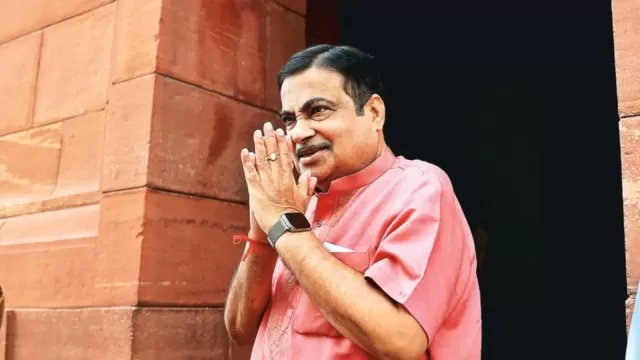
Union Minister Nitin Gadkari has called for increasing agriculture’s contribution to India’s GDP from the current 14% to 22%, suggesting that such a shift could curb the migration of rural youth to urban areas. Speaking at a recent event, Gadkari also advocated for diversifying agriculture into energy sectors such as biofuels and green hydrogen. He highlighted the importance of soil testing for enhanced productivity and emphasized India’s need to reduce its reliance on fossil fuel imports, currently valued at Rs. 22 lakh crore annually. Gadkari’s comments reflect the government’s broader vision of making India the world’s third-largest economy.
Shifting Agriculture’s Role in India’s Economic Landscape
Union Minister Nitin Gadkari has presented a compelling case for increasing the contribution of agriculture to India’s GDP, highlighting the sector's pivotal role in shaping the country’s future. Speaking at a public event on Wednesday, Gadkari emphasized that the current share of agriculture in India’s GDP stands at 14 percent, a figure he believes must rise to 22 percent to ensure sustainable economic growth, prevent rural-to-urban migration, and secure the livelihoods of India’s vast rural population. According to Gadkari, such a shift will foster more equitable economic development, ultimately alleviating the pressures that drive rural youth to seek better opportunities in cities.
Addressing Rural Migration Through Economic Diversification
One of the most critical points raised by the minister is the challenge of rural migration, a persistent issue that strains urban infrastructure and leads to significant socio-economic disparities. Gadkari suggested that increasing the agricultural sector’s GDP share would create more economic opportunities in rural areas, thus discouraging the migration of young workers to cities in search of jobs. He stressed that 65 percent of India’s working population is currently engaged in agriculture, yet this sector contributes only 14 percent to the national GDP. Raising agriculture’s contribution to 22 percent would provide rural communities with enhanced employment prospects and significantly reduce the migration pressure on urban centers.
Integrating Agriculture with Energy Solutions
Gadkari also proposed an ambitious strategy for agricultural diversification—the integration of agriculture with the energy sector. He specifically advocated for expanding the production of biofuels and green hydrogen, two promising energy sources that can not only reduce India’s dependency on imported fossil fuels but also create new avenues for agricultural development. Biofuels, derived from crops and agricultural waste, could serve as an alternative to traditional fuels, providing farmers with a dual income stream while addressing the country’s energy demands. Similarly, the promotion of green hydrogen aligns with global sustainability goals and could place India at the forefront of clean energy production.
The Importance of Soil Testing for Improved Productivity
To achieve the goal of higher agricultural productivity, Gadkari emphasized the critical need for widespread soil testing. By ensuring that soil health is regularly monitored and optimized, farmers can improve crop yields and reduce resource wastage, thus enhancing the overall efficiency of the agricultural sector. Soil testing, according to Gadkari, will not only help address the current productivity challenges but will also contribute to sustainable farming practices, ensuring that agricultural resources are used wisely and effectively.
Reducing Fossil Fuel Imports: A Path to Energy Independence
In addition to advocating for increased agricultural productivity, Gadkari underlined India’s reliance on imported fossil fuels, which amounts to an alarming Rs. 22 lakh crore annually. He argued that this economic burden can be mitigated through the domestic production of biofuels and green hydrogen, both of which would reduce India’s import dependence while also contributing to the country’s clean energy goals. By investing in these energy alternatives, India could reduce its exposure to volatile global oil prices and foster a more self-sufficient economy.
India’s Vision for Global Economic Leadership
Gadkari also referred to Prime Minister Narendra Modi’s vision of making India the world’s third-largest economy. By shifting towards a more diversified and sustainable economy—one that maximizes the potential of agriculture while reducing reliance on fossil fuels—India can build a stronger, more resilient economic future. This vision aligns with the government’s broader focus on "Atmanirbhar Bharat" (Self-Reliant India) and the pursuit of economic policies that support long-term growth, job creation, and environmental sustainability.
Conclusion: A Holistic Approach to Rural Development and Economic Growth
Minister Gadkari’s comments offer a holistic approach to addressing India’s rural challenges, emphasizing the need for agricultural diversification, technological innovation, and sustainable energy production. Increasing agriculture’s GDP share from 14 percent to 22 percent could provide a significant boost to rural economies, reduce urban migration, and enhance food security. By promoting biofuels, green hydrogen, and soil testing, India has the potential to transform its agricultural sector into a robust, sustainable contributor to the nation’s economic growth. In doing so, India can pave the way for a future where rural prosperity is deeply integrated with national development goals.
Comments