In a recent statement, Reserve Bank of India (RBI) Governor Sanjay Malhotra clarified the central bank's approach to currency management, stating that it does not target specific levels for the rupee-dollar exchange rate. Instead, the RBI intervenes only in cases of excessive volatility. Malhotra also addressed the impact of US tariffs on India, noting that while these tariffs are a growth challenge, India has a comparative advantage over other countries. The article explores the central bank's policy on currency management, the current state of the rupee, and the broader economic implications of global trade uncertainties.
RBI’s Approach to Currency Management: No Target for Rupee-Dollar Rate
In his recent comments following the announcement of the April monetary policy, Reserve Bank of India (RBI) Governor Sanjay Malhotra reiterated the central bank’s neutral stance regarding the rupee-dollar exchange rate. Malhotra emphasized that the RBI does not set a specific target or range for the value of the rupee against the dollar. Rather, the RBI's intervention in the foreign exchange market is reserved solely for instances of excessive volatility. This approach underscores the central bank's belief in the natural adjustment of currency levels through market forces. Malhotra’s statement reflects a commitment to maintaining market-driven dynamics in currency trading, trusting the depth and liquidity of India’s financial markets to determine the appropriate value of the rupee. While the RBI remains vigilant in the event of disruptive volatility, it does not seek to artificially influence the rupee’s exchange rate in normal conditions.
US Tariffs: Growth Dampener, but India Is Better Positioned
Governor Malhotra also addressed the impact of US tariffs on India, acknowledging that these measures have posed challenges for the Indian economy. However, he pointed out that the effect of US tariffs on India is comparatively less severe than it is on other countries, such as China and certain smaller nations. He added that India holds a comparative advantage in this scenario, allowing the country to better weather the impact of these tariffs. While the tariffs are recognized as a growth dampener, Malhotra stressed that India is in a stronger position than some of its global counterparts, particularly in terms of its economic resilience. The country's diverse economic base and strategic advantages provide a buffer against some of the adverse effects of global trade tensions.
Currency Intervention Strategy: Limited to Excessive Volatility
The RBI Governor reiterated the bank’s hands-off approach when it comes to managing the currency, reinforcing that the central bank only steps in when excessive volatility in the rupee-dollar exchange rate threatens economic stability. Malhotra made it clear that the RBI does not target a specific level or band for the rupee, allowing market forces to play a dominant role in determining its value. This approach, he explained, reflects the RBI's confidence in the market mechanisms and the robustness of India’s financial markets. By refraining from direct intervention in everyday market fluctuations, the RBI fosters a sense of confidence in the economy and promotes the free operation of market forces.
Rupee Weakens: Economic Challenges Amid Global Uncertainty
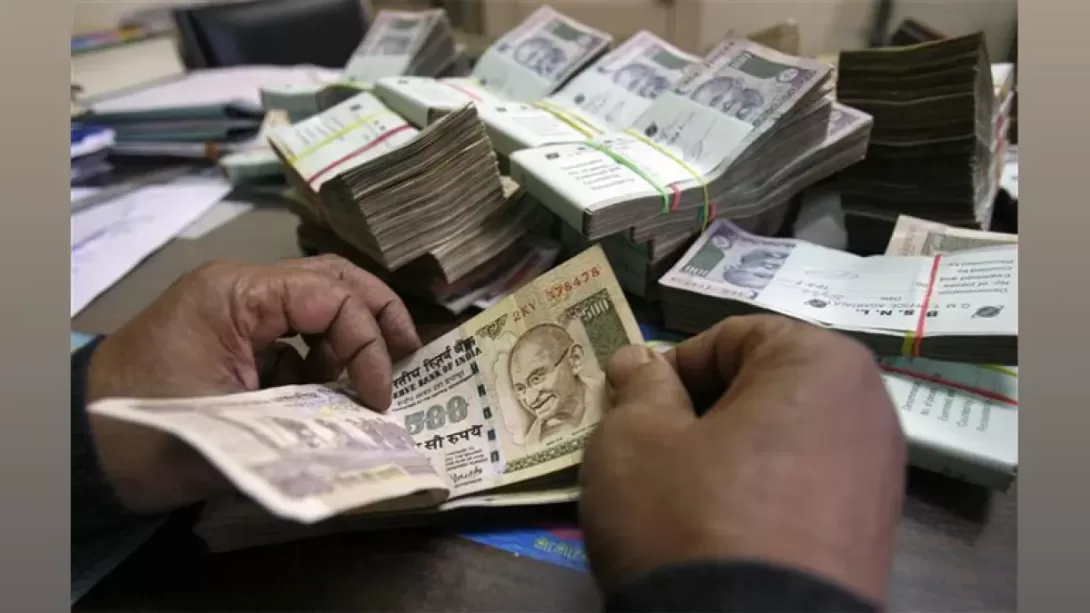
The Indian rupee has faced notable pressure in recent sessions, losing 30 paise to 86.56 against the US dollar on the fourth consecutive day of decline. This downward movement of the rupee reflects broader economic challenges and is compounded by ongoing volatility in global financial markets. Part of the pressure on the rupee comes from foreign institutional investors (FIIs) who have been offloading equities in the Indian market. According to recent data, FIIs sold equities worth Rs. 4,994.24 crore on a net basis in a single day. This outflow of capital further exacerbates the rupee's depreciation and highlights the challenges the Indian economy faces in the current global environment.
Global Economic Factors and Their Impact on India
In his remarks, Malhotra also highlighted the global economic turbulence caused by recent trade tariff measures, which have contributed to uncertainty in economic outlooks worldwide. He noted that the tariffs have exacerbated challenges for countries across the globe, impacting growth prospects and inflation rates. In response to this uncertainty, US dollar values have weakened, and bond yields have softened, further contributing to the correction in global equity markets. In particular, crude oil prices have fallen to their lowest levels in over three years, providing some relief but also reflecting the broader challenges facing the global economy. While these developments offer potential benefits, they also signal the persistence of market volatility, which could continue to affect India’s economic stability in the short term.
The Road Ahead: Navigating Economic Challenges
As the RBI continues to maintain its policy of non-intervention in currency levels, India faces a complex mix of challenges and opportunities. While the weakening rupee and external factors like US tariffs create hurdles, India’s comparative advantages—especially in sectors like technology, services, and manufacturing—position it well to weather global economic uncertainty. The monetary policy of the RBI, which places faith in the natural balancing of the rupee-dollar exchange rate, aims to instill confidence in India’s financial system. However, the country must remain vigilant and adaptable to global shifts, ensuring that its economic strategies are responsive to the challenges that arise in an increasingly interconnected world.
Conclusion: A Delicate Balance Between Market Forces and Economic Strategy
The RBI’s approach to currency management, characterized by its hands-off stance and targeted intervention during periods of excessive volatility, underscores its belief in the power of market forces to drive the economy forward. While India faces external challenges, particularly from global trade uncertainties and US tariffs, the country’s strong economic fundamentals and comparative advantages provide a solid foundation for navigating these challenges. Moving forward, India must continue to balance its domestic economic priorities with the unpredictable currents of the global economy, ensuring its resilience in an ever-changing market landscape.
Comments