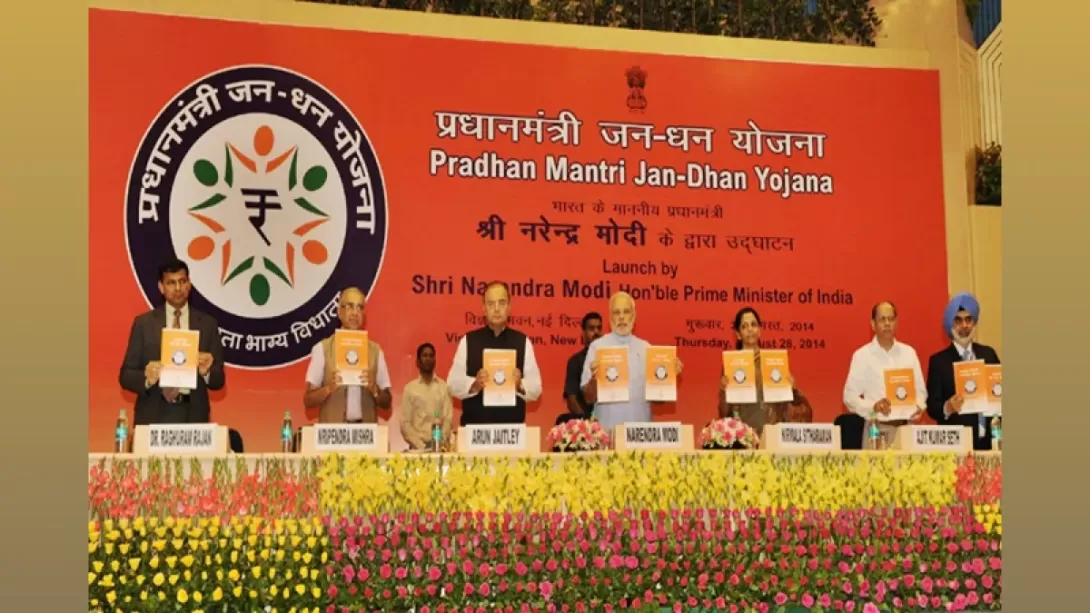
Finance Minister Nirmala Sitharaman recently conducted a review of India’s financial inclusion initiatives, aiming to enhance their reach and customer experience. The review covered several prominent schemes, including the Jan Dhan Yojana, Pradhan Mantri Suraksha Bima Yojana, Pradhan Mantri Jeevan Jyoti Bima Yojana, Atal Pension Yojana, and PM Vishwakarma. Sitharaman emphasized the need to expand these initiatives to cover more citizens and improve the banking experience for the masses, with an eye on further strengthening the country’s financial ecosystem.
Review of Key Financial Inclusion Schemes
On Tuesday, Finance Minister Nirmala Sitharaman held a review meeting to evaluate the progress of several government-backed financial inclusion programs. These programs, designed to bring more people into the formal financial system, have been central to the government’s efforts to enhance economic participation across India’s vast population. The review meeting was attended by M Nagaraju, Secretary of the Department of Financial Services (DFS), and other key officials, underscoring the importance of these schemes in driving inclusive growth.
Among the programs discussed were the Jan Dhan Yojana, which has been instrumental in ensuring that millions of households now have access to basic banking services. This initiative has been pivotal in bringing unbanked populations into the formal banking system, allowing them to participate in various financial services such as savings, insurance, and pension schemes.
Additionally, Pradhan Mantri Suraksha Bima Yojana and Pradhan Mantri Jeevan Jyoti Bima Yojana were reviewed, both of which focus on providing affordable life and accident insurance to individuals from lower-income backgrounds. These schemes aim to create a safety net for vulnerable citizens, ensuring that they are protected from unforeseen circumstances.
The Atal Pension Yojana, designed to provide a pension for workers in the unorganized sector, was also a key topic of discussion. This initiative allows individuals to save for their retirement, ensuring financial security in old age.
Lastly, the PM Vishwakarma scheme, introduced to support traditional artisans and craftsmen, was highlighted for its potential to empower India’s skilled workforce, providing them with access to financial services that were previously out of reach.
Focus on Expanding Reach and Improving Customer Experience
During the meeting, Finance Minister Sitharaman stressed the importance of expanding the reach of these schemes to include a larger section of India’s population. While the schemes have made significant strides in increasing financial access, there remains a substantial portion of the population that is still outside the formal financial ecosystem. Sitharaman emphasized the need for continuous efforts to bring the masses within the ambit of these schemes, particularly in rural and remote areas where financial inclusion efforts have been less effective.
A key aspect of the review was the focus on improving the customer experience across various banking services. Sitharaman called for greater efforts to ensure that citizens not only have access to financial products but also experience seamless and efficient service. This includes enhancing digital platforms, improving accessibility, and ensuring that financial services meet the needs of a diverse and growing customer base.
Government’s Vision for Financial Inclusion
The government’s long-term vision for financial inclusion revolves around ensuring that every citizen has access to the tools and resources necessary for economic empowerment. Financial inclusion is seen as a crucial pillar for fostering economic growth, reducing poverty, and achieving sustainable development goals.
By strengthening the accessibility of these schemes and improving the quality of customer service, the government aims to build a more resilient financial system that serves all citizens, regardless of their income or geographical location. Sitharaman’s review of the financial inclusion schemes highlights the ongoing commitment of the government to promote inclusive financial growth and ensure that no one is left behind in India’s economic transformation.
Looking Ahead: Challenges and Opportunities
While significant progress has been made, challenges remain in fully implementing these schemes across the country. Ensuring that the last-mile delivery reaches the most marginalized sections of society remains a priority. Moreover, as more services are digitized, there is a growing need for financial literacy programs that can help citizens understand and make the most of the services available to them.
In the coming years, the government’s focus will likely include integrating more technology into these schemes to enhance efficiency, reach, and customer satisfaction. By leveraging emerging technologies such as artificial intelligence and blockchain, India could further strengthen its financial ecosystem, making it more inclusive and secure for all.
Conclusion
The review of India’s financial inclusion schemes by Finance Minister Nirmala Sitharaman underscores the government’s commitment to enhancing the financial ecosystem, ensuring that more citizens gain access to essential financial services. With continued focus on expanding reach, improving customer experiences, and leveraging technology, these initiatives hold the potential to transform India’s financial landscape, making it more inclusive and accessible for everyone.
Comments