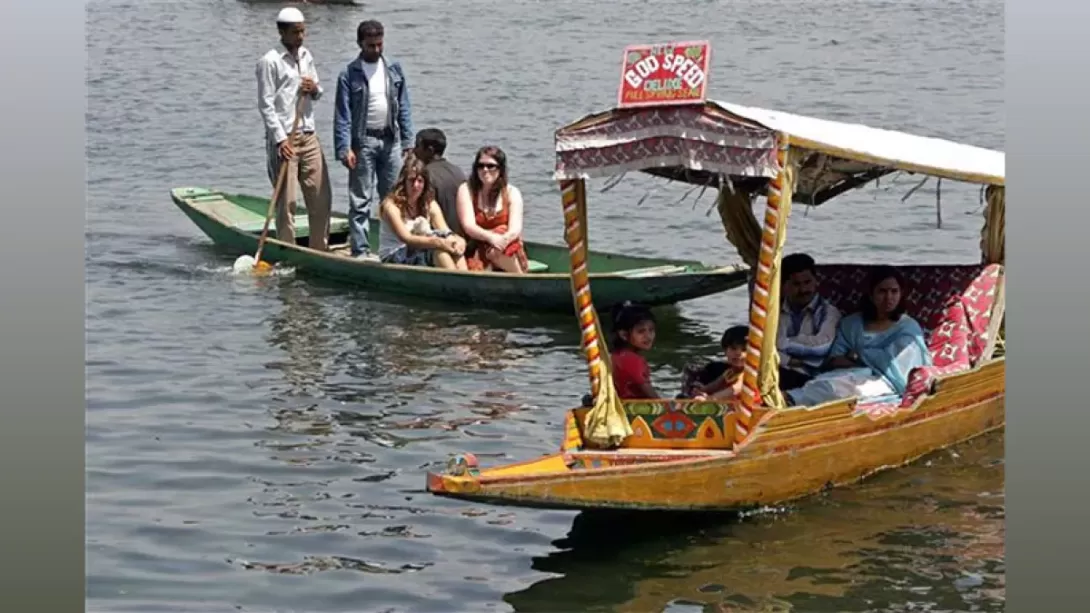
Jammu and Kashmir’s tourism sector has suffered a devastating collapse following the April 22 terrorist attack in Pahalgam, which claimed 26 lives. The fallout, intensified by India’s retaliatory missile strikes on May 7, has erased the region’s peak tourism season. The Chamber of Tourism, Trade and Industry Katra (CTTIK) has sounded the alarm, urging Chief Minister Omar Abdullah to immediately intervene with a comprehensive relief package. The economic reverberations have crippled hospitality, transport, retail, and associated sectors, prompting demands for loan deferments, interest subvention, and a structured recovery roadmap to prevent widespread financial ruin.
A Season Lost: Terrorism Dismantles Peak Tourism in J&K
The Kashmir Valley, long reliant on seasonal tourism for economic sustenance, is reeling from the aftermath of a violent terrorist attack in Pahalgam on April 22, which resulted in the deaths of 26 civilians. What followed was a rapid escalation in geopolitical tensions. On May 7, Indian armed forces launched a retaliatory missile strike targeting terror infrastructure across the Line of Control, triggering a heightened military standoff with Pakistan.
This sequence of events has shattered the tourism ecosystem, particularly in Katra — the gateway town to the revered Mata Vaishno Devi shrine — where stakeholders report an unprecedented drop in tourist footfall during what is traditionally the industry’s most lucrative period.
Economic Disarray and Industry's Plea for Intervention
At the heart of the crisis is the Chamber of Tourism, Trade and Industry Katra (CTTIK), which convened an emergency meeting to assess the impact and propose remedial measures. CTTIK President Raj Kumar Padha presented a resolution condemning the attack while commending the valor of Indian armed forces during Operation Sindoor. But beyond symbolic gestures, the chamber made a sobering appeal for state intervention to prevent systemic economic collapse.
The resolution underscored that tourism — the cornerstone of Jammu and Kashmir’s economy — is the first sector to suffer in a crisis and the last to recover. From hoteliers and guest house operators to transporters, wholesalers, and small traders, the income vacuum has spread rapidly, disrupting livelihoods and business continuity across multiple tiers.
Proposed Relief Measures: A Blueprint for Survival
The chamber has urged the government to enact a multi-pronged financial relief package, which includes:
- Deferment of EMIs on term loans for at least six months
- Interest subvention on existing loans and working capital to ease cash flow
- Postponement of payments for electricity, water, and other government dues
These recommendations, if implemented swiftly, could provide immediate breathing room for thousands of small and medium enterprises (SMEs) struggling under severe revenue shortfalls.
Furthermore, the CTTIK called for a long-term tourism revival strategy, involving coordinated promotional campaigns, financial support for tour operators, and stakeholder consultations to restore market confidence.
Restoring Confidence Through Decisive Governance
Padha emphasized that government handholding at this juncture is not only a matter of economic necessity but also of psychological reassurance to the business community and travelers alike. The chamber believes that decisive and compassionate leadership is required to prevent lasting damage to the tourism-dependent regions of Jammu and Kashmir.
A delay in action could aggravate the current economic distress and send a negative signal to potential tourists and investors. Conversely, a robust and immediate response could lay the foundation for a resilient recovery and reposition J&K as a safe and viable destination.
Conclusion: A Test of Political Will
The crisis has exposed the fragility of a region overly dependent on a volatile tourism sector, while also presenting an opportunity for transformative governance. As Jammu and Kashmir grapples with the compounded shocks of terrorism and geopolitical instability, the state’s response will define not just the survival of businesses, but the broader trajectory of peace, prosperity, and public trust.
If the government rises to the occasion with clarity and urgency, it can steer the region away from economic despair and toward sustainable revival. But without timely intervention, the consequences could ripple well beyond the loss of a single season.
Comments