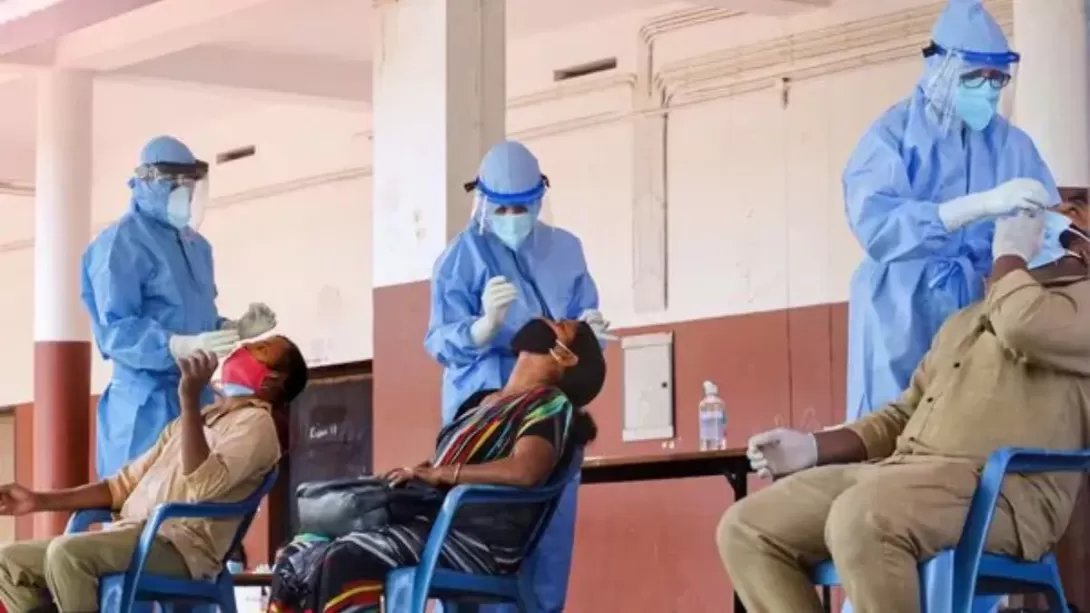
Delhi has reported 23 new COVID-19 cases amid rising infections across the National Capital Region, prompting authorities to issue urgent preparedness advisories to healthcare facilities. The Delhi government has mandated hospitals to bolster capacity by ensuring sufficient hospital beds, oxygen supplies, medicines, and vaccines. Crucially, all positive samples must be forwarded to Lok Nayak Hospital for genome sequencing to detect emerging variants promptly. Nearby districts including Ghaziabad, Gurugram, and Faridabad have also reported new infections, emphasizing the need for vigilant containment and proactive public health responses as India continues to navigate the evolving pandemic landscape.
Surge in COVID-19 Cases Triggers Government Advisory
The Delhi Health Ministry, led by Pankaj Singh, confirmed a recent uptick with 23 fresh COVID-19 cases. Authorities are conducting investigations to ascertain if these patients are local residents or have recent travel histories that could influence transmission patterns.
In response, the Delhi government has issued a comprehensive advisory to all medical institutions, stressing the necessity to prepare for a potential surge in COVID-19 patients. Hospitals are instructed to ensure adequate availability of critical resources such as hospital beds, oxygen cylinders, essential medications, and vaccine stockpiles to effectively manage any increase in caseload.
Strategic Focus on Genome Sequencing to Track Variants
To preemptively identify any new or mutated strains of the virus, all COVID-19 positive samples are now required to be sent to Lok Nayak Hospital for genome sequencing. This initiative underscores the government’s commitment to leveraging genomic surveillance as a frontline defense against variant-driven outbreaks. Early detection enables targeted interventions and informs public health policy adjustments to mitigate spread.
Regional Cases Highlight Growing NCR Concerns
The contagion has not been confined to Delhi alone. Ghaziabad has recorded four new positive cases, with one patient admitted to hospital and the remainder in home isolation. Concurrently, Haryana’s Gurugram and Faridabad districts reported three cases combined, underscoring the virus’s persistent regional presence.
Gurugram’s cases include a 31-year-old woman with recent Mumbai travel history and a 62-year-old man with no known exposure, both under home quarantine with strict contact tracing underway. In Faridabad, a 28-year-old security guard who sought treatment at Delhi’s Safdarjung Hospital tested positive and his samples are also slated for genome sequencing.
Officials from the Gurugram and Faridabad health departments confirmed ongoing monitoring and precautionary isolation of infected individuals and their close contacts, aiming to curb further transmission.
National Preparedness and Continued Vigilance
At the national level, the Union Health Ministry remains vigilant, with entities such as the Integrated Disease Surveillance Programme (IDSP) and the Indian Council of Medical Research (ICMR) spearheading surveillance efforts. These institutions maintain rigorous monitoring of respiratory illnesses, ensuring rapid detection and containment of any outbreak clusters.
Public health authorities have reiterated the importance of adhering to COVID-appropriate behaviors, including mask-wearing, social distancing, and seeking immediate medical advice upon symptom onset. The government’s layered strategy integrates enhanced healthcare readiness, genomic monitoring, and community cooperation to navigate this phase of the pandemic.
Conclusion
The resurgence of COVID-19 cases in Delhi and the broader NCR region serves as a stark reminder that the pandemic remains an active threat. Proactive governmental measures—ranging from resource augmentation to genomic surveillance—reflect a robust framework designed to anticipate and mitigate viral spread. For citizens, sustained vigilance and compliance with health advisories are imperative to safeguarding public health and preventing further waves of infection.
Comments