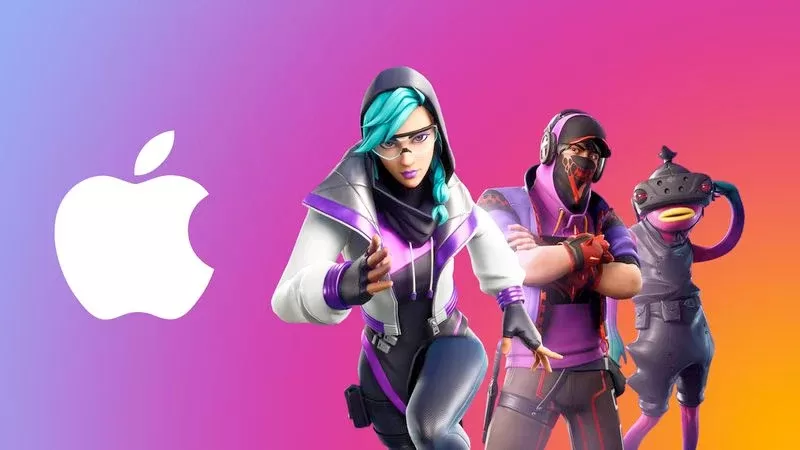
After a five-year absence, Fortnite has reclaimed its position atop the U.S. App Store charts, signaling a dramatic turning point in the ongoing legal struggle between Apple and Epic Games. Though Apple remains in active litigation over in-app purchase restrictions, Epic circumvented its developer ban by launching Fortnite through a European subsidiary. Now available for download, Fortnite includes direct payment options that bypass Apple's 30% commission—a contentious move at the heart of broader antitrust concerns. With industry titans like Microsoft and Spotify rallying behind Epic, this latest chapter sets the stage for a high-stakes reckoning in the digital economy.
A Long-Awaited Comeback
In a moment of vindication for Epic Games, Fortnite reappeared on the U.S. App Store and quickly surged to the number one spot among free games. The return comes five years after Apple removed the title amid a legal dispute triggered by Epic’s attempt to bypass the App Store’s payment system. While Epic’s primary developer account remains suspended, the company successfully leveraged its Swedish subsidiary—originally created to comply with new European Union digital market regulations—to reintroduce the game in the United States.
This legal maneuvering allowed Epic to outflank Apple’s domestic restrictions and has ignited new debates around platform control and developer autonomy.
The Legal Backdrop: Platform Monopoly vs. Developer Rights
At the core of this battle lies a fundamental question: Who controls the rules of engagement in the digital marketplace? Apple has long maintained a tightly regulated ecosystem, taking a 30% cut from most in-app purchases. Epic Games challenged this model in 2020 by embedding an alternative payment method within Fortnite, prompting Apple to remove the game and terminate Epic’s developer account.
A U.S. court ruling later forced Apple to amend its policies, requiring the company to allow developers to link users to external payment systems. Apple is currently appealing that decision and has requested a stay, but the tide appears to be turning.
Multiple tech firms—including Spotify and Microsoft—have filed amicus briefs supporting Epic’s position. Spotify reported a marked rise in iOS Premium subscriptions in recent weeks, suggesting that alternative payment options are having a tangible market impact. Microsoft emphasized that “increased choice, innovation, and competition” would be better served by upholding the court’s injunction throughout the appeals process.
Fortnite’s Payment Model: A Precedent in Platform Economics
Now that Fortnite is back on iOS, it showcases a payment model Apple would have once considered heretical. The game includes in-app links directing users to Epic’s own website, where they can purchase digital currency and items—none of which contribute revenue to Apple.
This approach underscores the broader implications of the court's ruling and may serve as a template for other developers eager to reclaim control over their monetization strategies. It also raises key questions: If enough developers follow Epic’s lead, could Apple’s walled garden lose its financial viability? And could this shift finally break the dominance of platform owners over digital commerce?
The Implications for Apple and the App Store
Apple’s resistance to Fortnite’s return was both strategic and symbolic. The company did not voluntarily reinstate the game; rather, it relented under pressure from the court and the looming threat of renewed legal proceedings. While Apple has historically championed its App Store rules as a measure of user safety and consistency, critics argue that these policies stifle competition and innovation.
The current appeal could extend the legal drama for months, if not years. Still, the damage to Apple’s grip on the app economy may already be done. The very fact that Fortnite can operate outside of Apple’s payment infrastructure sets a precedent that will be difficult to reverse, regardless of the final ruling.
A Broader Recalibration of Digital Power
Fortnite’s resurgence on the App Store is more than a game relaunch—it is a signal of shifting power dynamics in the digital economy. With regulatory frameworks tightening in Europe and courts beginning to scrutinize the monopolistic tendencies of tech giants, the developer ecosystem is gaining newfound leverage.
Serious questions loom for the future: Will Apple remain the gatekeeper of its ecosystem, or will developers be granted the freedom to monetize their products on more equitable terms? And if Apple loses this battle, could the decision reshape the business models of other digital platforms such as Google Play or Amazon’s Appstore?
Conclusion: The Digital Frontier, Rewritten
The return of Fortnite marks not only a tactical victory for Epic Games but also a landmark moment in the ongoing discourse over platform fairness and digital sovereignty. With industry allies coalescing around a shared demand for greater autonomy, Apple’s once-ironclad control over its ecosystem is now under serious threat.
This case could become a defining legal precedent, influencing how platforms interact with developers, consumers, and regulators for years to come. As Fortnite climbs the charts once again, it brings with it the echoes of a new era—one where the balance of power in the digital marketplace is actively being redefined.
Comments