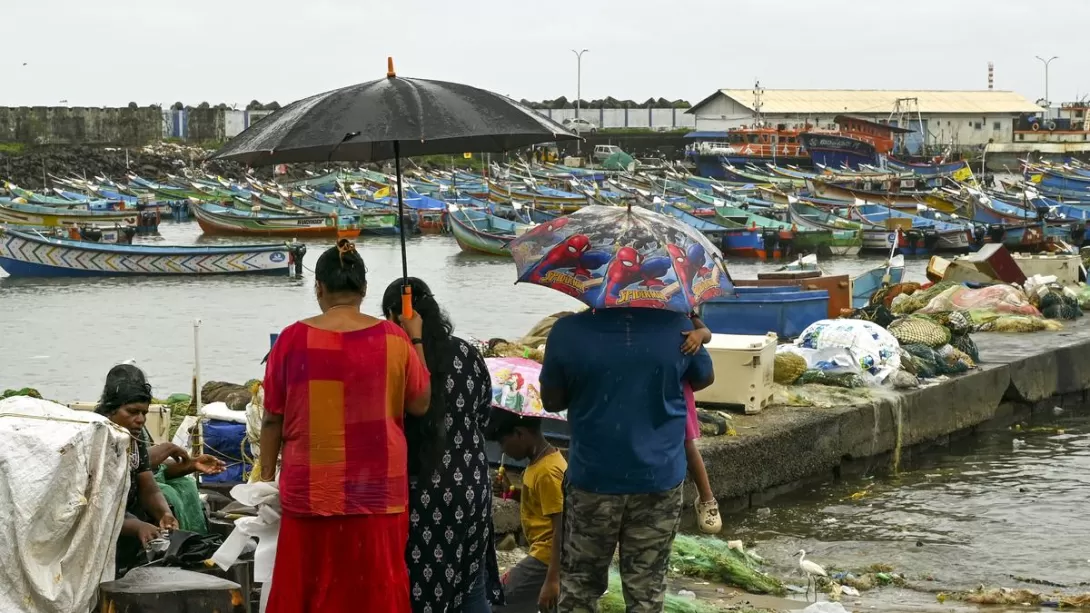
As Kerala braces for the onset of monsoon—a season that typically sees a spike in mosquito-borne illnesses—the state health department has ramped up preventive efforts to combat the rising threat of dengue. With over 2,450 cases and eight fatalities already reported in 2025, authorities have introduced a mobile awareness van to educate the public on eliminating mosquito breeding grounds. Spearheaded by Health Minister Veena George, the initiative is part of a broader, statewide dengue prevention drive that emphasizes pre-monsoon cleaning, public engagement, and proactive sanitation, especially in schools and densely populated areas.
Dengue Cases on the Rise: A Growing Health Concern
Kerala’s capital district is currently witnessing over a dozen new dengue cases each day, underscoring the urgent need for intervention ahead of the rains. As of May 2025, the state has recorded 2,450 confirmed cases and eight deaths linked to dengue. Health officials attribute the increase to stagnant water accumulation and fluctuating weather patterns—both of which create ideal breeding conditions for Aedes aegypti, the mosquito species responsible for transmitting the virus.
The Health Department, under the leadership of Minister Veena George, has acknowledged the gravity of the situation and is mobilizing resources statewide to curb the spread.
Mobile Awareness Van: A New Approach to Public Engagement
In a strategic shift toward community outreach, the government has introduced a mobile awareness unit to educate citizens across urban areas. Launched within the corporation limits, the van was inaugurated by Minister George on Wednesday and is equipped to screen educational videos on dengue prevention.
These short films provide practical demonstrations of how residents and institutions can eliminate mosquito breeding sites—chiefly stagnant water in containers, plant pots, or construction debris. The campaign is tailored to both home environments and public institutions, promoting behavioral changes necessary to suppress mosquito proliferation.
Pre-Monsoon Measures: Cleaning Drives and Dry Days
To reduce transmission risk during the upcoming rainy season, the Health Department has outlined a series of targeted interventions in coordination with local self-government bodies and civic organizations. Key initiatives include:
- Pre-monsoon cleaning drives on May 23 and May 30, focusing on the removal of stagnant water sources.
- Special “Dry Days” to be observed across homes, schools, and public institutions, wherein all water-storing items are emptied and cleaned weekly.
- School campus inspections prior to reopening, with sanitation measures aimed at minimizing risk among children—a group especially vulnerable to dengue complications.
This multi-pronged strategy emphasizes both individual responsibility and collective action.
The Role of Climate Change in Disease Proliferation
Minister Veena George also highlighted the intensifying role of climate change in disease outbreaks. Irregular weather patterns—marked by intermittent rainfall and rising temperatures—have created extended breeding windows for mosquitoes. She warned that without robust and consistent source destruction efforts, seasonal illnesses like dengue could become year-round threats.
In this context, community engagement is more than a recommendation—it is a public health imperative.
A Call to Action: Citizens and Local Bodies Must Collaborate
The success of the anti-dengue campaign hinges on sustained participation from residents, housing societies, school administrators, and local government units. The minister urged all stakeholders to remain vigilant and to treat the elimination of breeding grounds not as a one-time exercise but as a continuous responsibility.
Residents are advised to inspect their homes and surroundings at least once a week, focusing on eliminating water stored in containers such as flower vases, discarded tires, and rooftop tanks. Institutions and workplaces are encouraged to implement structured water management and sanitation policies.
Conclusion: Prevention as the First Line of Defense
Kerala’s renewed focus on dengue prevention is a timely reminder of the vulnerabilities that lie ahead during the monsoon season. By combining technology-driven public awareness with grassroots participation, the state is taking decisive steps to safeguard its population.
But real success will come only if every citizen assumes a role in this shared mission—because when it comes to dengue, the most effective cure is prevention.
Comments