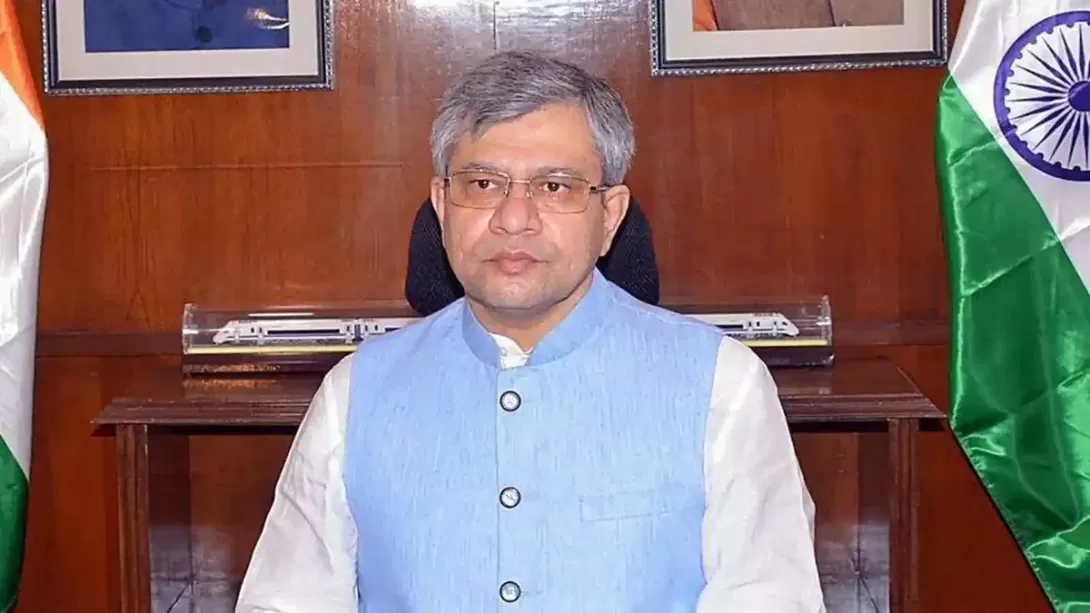
Mumbai is on the verge of a transformative leap in public transportation, as Maharashtra’s Chief Minister Devendra Fadnavis and Railway Minister Ashwini Vaishnaw announced the upcoming launch of ‘Mumbai 1’, a unified travel card for all modes of public transit across the Mumbai Metropolitan Region. This digital mobility solution is complemented by record-breaking infrastructure investments totaling over Rs. 1.73 lakh crore, including suburban rail modernization, AC train expansion, and connectivity boosts to underserved regions. As India’s financial capital embraces multimodal integration and smart mobility, the implications for commuter convenience, urban planning, and economic growth are profound.
‘Mumbai 1’ Card: A Unified Mobility Solution for Urban Commuters
The proposed ‘Mumbai 1’ card aims to revolutionize daily travel for millions by integrating payment systems across all major modes of public transport.
- The card will be compatible with Metro, Mono Rail, local suburban trains, and municipal bus services, creating a seamless travel experience.
- This digital wallet-style solution will allow commuters to avoid multiple ticket purchases and reduce queuing and transaction times.
- According to CM Fadnavis, the technological architecture for the card will be completed within a month, signaling an imminent rollout.
The move mirrors global smart transit systems like London’s Oyster card or Hong Kong’s Octopus card, ushering in India’s next phase of commuter digitization.
Massive Infrastructure Boost: Rs. 1.73 Lakh Crore Rail Projects Underway
India’s financial capital is also experiencing an unprecedented wave of railway investment. Railway Minister Vaishnaw revealed that projects worth Rs. 1,73,804 crore are currently active in Maharashtra, with an additional Rs. 23,778 crore sanctioned in 2025 alone.
- These initiatives are aimed at modernizing the suburban rail network, enhancing safety, and increasing capacity.
- The strategic investment reflects both urban mobility demand and economic development objectives for Maharashtra.
Such capital expenditure not only facilitates better transport but also serves as a catalyst for job creation and supply chain activation, further strengthening state GDP growth prospects.
AC Train Expansion: 238 New Units to Modernize Mumbai’s Rail Network
One of the major highlights is the approval and forthcoming manufacture of 238 new air-conditioned trains for Mumbai’s local rail system.
- This move addresses long-standing commuter demands for enhanced comfort, reliability, and energy efficiency.
- The initiative aligns with global trends toward climate-resilient public transport, with a potential reduction in carbon emissions and operating costs.
Given that Mumbai’s suburban rail system serves over 7.5 million passengers daily, this upgrade is poised to redefine the commuter experience in one of the world’s busiest transit corridors.
Strategic Regional Connectivity: Gondia-Ballarshah Line Gets Central Backing
In eastern Maharashtra, the approval of the Gondia-Ballarshah railway line represents a strategic effort to integrate Vidarbha with Chhattisgarh and Telangana.
- The project is co-funded by the Union Government, which is contributing Rs. 4,019 crore.
- This line will enhance freight and passenger movement, enabling logistical fluidity in mineral-rich and industrial zones.
It further supports the national vision of equitable infrastructure development, especially in regions previously sidelined from mainstream connectivity networks.
Heritage and Tourism: Chhatrapati Shivaji Maharaj Circuit to Preserve History
Beyond transport logistics, the government is tapping into cultural tourism with the launch of the Chhatrapati Shivaji Maharaj Circuit Train Line.
- This new route will connect tourists to historic Maratha forts and culturally significant sites, blending heritage preservation with economic activity.
- The initiative not only promotes regional tourism but also supports local economies and employment in the heritage sector.
This move indicates a strategic blend of soft power and infrastructure investment, amplifying both cultural identity and fiscal dividends.
Market and Business Implications: A Long-Term Urban Growth Catalyst
These developments are being viewed favorably by the investment community, particularly in sectors such as:
- Railway engineering and rolling stock manufacturers
- Digital payments and fintech firms, poised to benefit from ‘Mumbai 1’
- Urban development and construction companies, engaged in large-scale project execution
While short-term volatility in infrastructure-linked stocks can occur due to implementation timelines, analysts are optimistic about the medium- to long-term impact on urban real estate, transit-oriented development, and regional GDP acceleration.
Conclusion: Mumbai Sets the Blueprint for Next-Gen Urban Transit
From smart card integration to mega-infrastructure projects, Mumbai is charting a roadmap that balances innovation with accessibility. These efforts not only underscore technological and infrastructural modernization but also reflect a broader commitment to sustainable urbanization. As India positions itself as a global economic force, cities like Mumbai must continue leading the way in transport evolution, regional integration, and digital inclusion—a vision that is increasingly being realized on the ground.
Comments