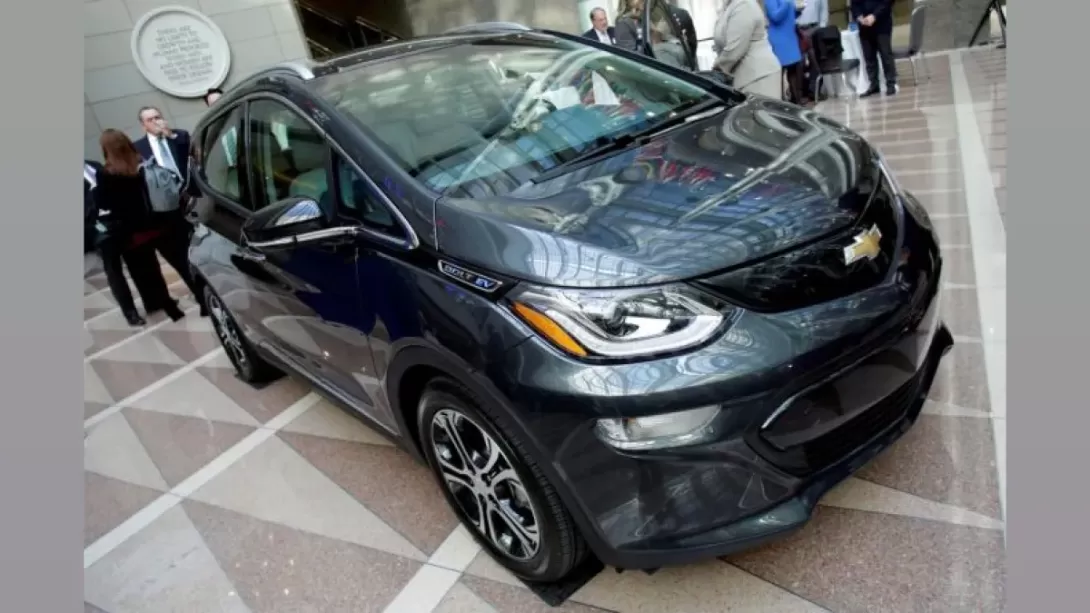
Uttar Pradesh has emerged as India’s frontrunner in electric vehicle (EV) adoption, registering the highest number of EVs in the country at 4.14 lakh—surpassing both Delhi and Maharashtra. Fueled by state-level initiatives like the 2022 Electric Vehicle Manufacturing and Mobility Policy and strong central support through the FAME schemes, the state is positioning itself as a major player in the EV ecosystem. With over 300 new charging stations approved, and plans to attract Rs. 30,000 crore in investments and create 10 lakh jobs, Uttar Pradesh is setting a compelling example for large-scale sustainable mobility in India.
Uttar Pradesh Tops EV Adoption in India
Uttar Pradesh now holds the distinction of having the highest number of registered electric vehicles in India, with 4.14 lakh units on the road. This places it ahead of traditionally dominant states such as Delhi, which has 1.83 lakh EVs, and Maharashtra, which trails slightly at 1.79 lakh. The data reflects not just adoption but the state’s growing role in driving India’s broader transition toward e-mobility.
This remarkable lead is attributed to both demand-side incentives and targeted policy frameworks initiated under Chief Minister Yogi Adityanath's administration.
A Policy Blueprint for EV Ecosystem Growth
The 2022 Electric Vehicle Manufacturing and Mobility Policy has been central to Uttar Pradesh’s EV surge. Designed to foster investment and enhance job creation, the policy sets ambitious goals—Rs. 30,000 crore in EV-related investments and the generation of 10 lakh new jobs.
This policy framework focuses not only on consumer incentives but also prioritizes the development of a resilient industrial and infrastructure base to support EV manufacturing, battery production, and supply chain integration.
E-Rickshaws: A Localized Success Story
A significant factor behind the EV boom in the state is the widespread adoption of e-rickshaws. These vehicles now account for 85% of all EV sales in Uttar Pradesh. Their utility in transporting passengers and goods, especially in urban and semi-urban areas, has made them a vital part of the state's transportation fabric.
Their affordability, ease of operation, and alignment with last-mile delivery services have made e-rickshaws the state’s unexpected yet highly effective catalyst for EV penetration.
Charging Infrastructure Expansion in Full Swing
Recognizing that sustained EV growth requires corresponding charging infrastructure, the Uttar Pradesh government has approved the installation of over 300 new public charging stations across 16 municipal regions. Ayodhya, a city witnessing rapid urbanization and increasing tourist footfall, is expected to host the highest number of new stations.
Currently, India has about 33,000 EV charging stations, 35% of which are classified as fast chargers. However, with an EV-to-public-charger ratio of 135—far exceeding the global optimal range of 6 to 20—expansion remains an urgent priority.
The Chief Minister has emphasized fast-tracking the development and deployment of advanced charging networks, including fast-charging units and retrofitting existing stations to meet rising demand.
National Projections and the Road Ahead
Industry projections estimate that India could see as many as 102 million EVs on its roads by 2030. This exponential growth trajectory underscores the critical need for parallel development in infrastructure, policy support, and domestic manufacturing.
With its current momentum, Uttar Pradesh is not only on course to meet its policy targets but is also laying the groundwork to become a national, and potentially global, leader in electric mobility.
Conclusion
Uttar Pradesh’s strategic embrace of electric vehicles, supported by strong policy, grassroots adoption, and infrastructure initiatives, marks a paradigm shift in India’s clean energy ambitions. Its success in integrating policy vision with implementation offers a blueprint for other Indian states and developing economies worldwide. As EV demand accelerates, the state's ability to balance consumer needs with industrial capacity could define the next chapter of India’s green transportation journey.
Comments