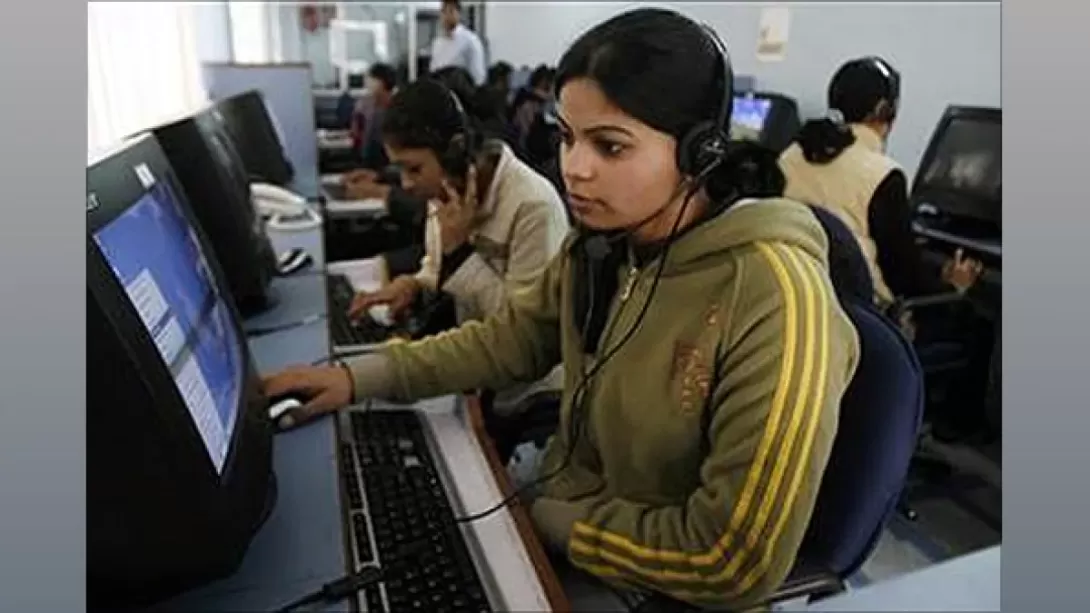
Women are making significant inroads into technology roles traditionally dominated by men, particularly within sectors not classified as tech-centric. According to new data, female participation in tech roles within non-tech sectors has risen from a mere 1.9% in 2020 to an encouraging 14% in 2024. The report, released by TeamLease Digital, draws on proprietary data from 13,000 contractual associates over a four-year period and indicates broader momentum for gender diversity across India’s tech workforce. While the rise in representation is promising, deep structural imbalances remain, particularly at senior levels, highlighting the urgent need for systemic reform and inclusion strategies.
A Shift in the Gender Paradigm
India’s non-tech sectors are undergoing a quiet transformation. Once seen as bastions of male employment in tech roles, these industries are now beginning to witness a steady rise in female participation. Between 2020 and 2024, women's representation in contractual tech roles across these sectors rose from just 1.9% to 14%, marking a noteworthy cultural and institutional shift.
The upward trend reflects growing awareness around gender equity and the value of diverse teams in driving innovation. This progress is especially significant considering that tech roles outside of the core technology sector have traditionally seen minimal female involvement.
Contractual Tech Workforce Sees Broader Inclusion
The report from TeamLease Digital, which analyzed data from 13,000 contractual workers, highlights a parallel improvement in the broader tech contractual workforce in India. Women comprised just 9.51% of this segment in 2020. By 2024, that figure had nearly tripled to 27.98%.
This surge signals increasing willingness among companies to hire women in flexible and contract-based tech roles—positions often characterized by project-based engagements and variable tenure. These jobs offer a viable pathway for women to re-enter the workforce or transition into technical domains from adjacent fields.
Disparity Persists at Senior Levels
Despite the progress, the report draws attention to the glaring disparities that continue to persist at leadership and mid-level management. Among women in tech roles within non-tech sectors, only 3.35% hold senior positions. Mid-level representation stands at 4.07%, while entry-level roles account for 3.03%.
This lopsided distribution points to systemic obstacles that continue to hinder women’s upward mobility. These include biases in promotion pipelines, lack of mentorship, and limited access to strategic opportunities that lead to leadership roles. The underrepresentation at the top raises concerns about the longevity and quality of female engagement in these sectors.
Sector-Wise Breakdown: BFSI Leads the Pack
When analyzed by industry, the Banking, Financial Services, and Insurance (BFSI) sector emerged as a leader in gender inclusivity. In 2024, women's representation in non-technical roles in BFSI stood at 49.28%, while their share in technical roles reached 44.31%.
Life Sciences and Healthcare also performed well, with 47.32% representation in non-technical positions and 34.58% in technical roles. These figures reflect a growing openness in traditionally conservative sectors to embrace gender diversity, especially in roles that are critical to operational and digital transformation.
A Call for Action from Industry Leaders
While applauding the rise in participation, TeamLease Digital CEO Neeti Sharma emphasized that mere representation is not enough. “The significant rise in women's representation in tech roles within non-tech sectors to 14% in 2024 reflects a promising shift towards inclusivity. However, persistent gaps in technical skill representation and leadership roles highlight the need for targeted interventions,” she stated.
Sharma called for organizations to implement policies that promote equity, dismantle structural barriers, and provide targeted development programs that empower women to climb the corporate ladder. These include inclusive hiring practices, access to mentorship networks, flexible work arrangements, and clear pathways to leadership.
Toward a More Inclusive Future
The rising presence of women in contractual tech roles across non-tech sectors represents more than just a positive data point—it signals a cultural evolution in the Indian workforce. As sectors increasingly embrace digitalization, they have a unique opportunity to recalibrate their hiring and retention strategies to ensure that gender diversity is not an afterthought but a strategic imperative.
However, to sustain this momentum, corporate India must move beyond tokenism and commit to deep, structural change. Only then can the promise of equity translate into leadership that reflects the diversity of the workforce itself.
Comments