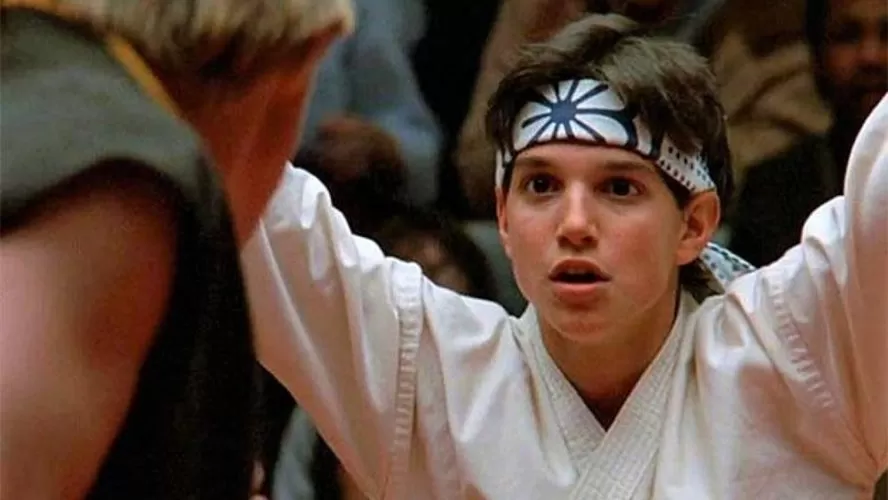
In a tale that fuses martial arts nostalgia with fresh lessons in personal finance, a young man’s journey of self-discovery and resilience offers a surprisingly apt metaphor for building a robust investment portfolio. As Xiao Li grapples with bullies and his own fears, he embodies the principles of adaptability and continuous learning—principles that serve investors well. From balancing Kung Fu and Karate to balancing blue chip stocks and riskier bets, this film-inspired analogy reveals how staying in the ring, learning from missteps, and seeking trusted guidance can transform setbacks into opportunity.
Embracing Dual Disciplines: A Portfolio Parable
At the Han School of Kung Fu, young Xiao Li’s martial arts training is a battle not just of fists, but of philosophies. His mother’s insistence on relocating to New York thrusts him into an unfamiliar environment, mirroring how investors face new market landscapes. The film portrays his struggle with adjusting—one that resonates with those who must adapt to volatile markets.
Xiao Li’s journey is framed by the duality of two martial arts: Kung Fu and Karate. Jackie Chan’s Kung Fu wisdom emphasizes fluidity and resilience, while Ralph Macchio’s Karate highlights precision and discipline. The convergence of these two disciplines echoes the balanced approach that investors must adopt. A well-constructed portfolio blends the security of blue chip stocks with the growth potential of riskier assets—just as Kung Fu and Karate together create a complete fighter.
Navigating Challenges: The Fight Beyond the Ring
Much like the climactic showdowns of martial arts films, investing requires confronting challenges head-on. Xiao Li must overcome not just physical threats but his own doubts and fears—a reminder to investors that emotional hurdles can be as formidable as market downturns. When losses mount, many abandon the market, assuming it’s not their arena. But financial mastery, like martial arts, demands acknowledging mistakes and returning to the fray with sharper instincts.
In real-life investing, this resilience means re-examining strategies, deepening knowledge, and not letting early missteps define your path. Markets, like bullies, can knock you down. But victory belongs to those who rise with renewed determination.
The Role of the Sensei: Guiding Hands in Financial Journeys
Just as Xiao Li benefits from the guidance of experienced masters, investors thrive under the counsel of skilled money managers. These senseis of finance help navigate the complexities of market forces, offering critical insights and tailored strategies. But success depends on openness: investors must be transparent about their fears and financial goals. In return, they receive not just tactical advice but also the steadying force of a trusted partner.
Adaptability and Mastery: The Final Lesson
Xiao Li’s final lesson—Bruce Lee’s timeless dictum to be like water—captures the essence of successful investing. Flexibility in approach and an ability to learn from setbacks are invaluable. Economic headwinds and shifting political landscapes can batter even the most seasoned investors. But those who keep evolving, much like martial artists perfecting their craft, discover that setbacks are not failures but opportunities to build stronger foundations.
A Cinematic Reminder: Investing With Heart
As credits roll on this martial arts adventure, the message for investors is clear: blending core strengths and calculated risks, seeking wise counsel, and staying nimble are the keys to triumph in any battle—on the mat or in the market. In the end, like Xiao Li’s exuberant smile after victory, a disciplined yet adaptable portfolio can leave you not just wealthier, but wiser, too.
Comments