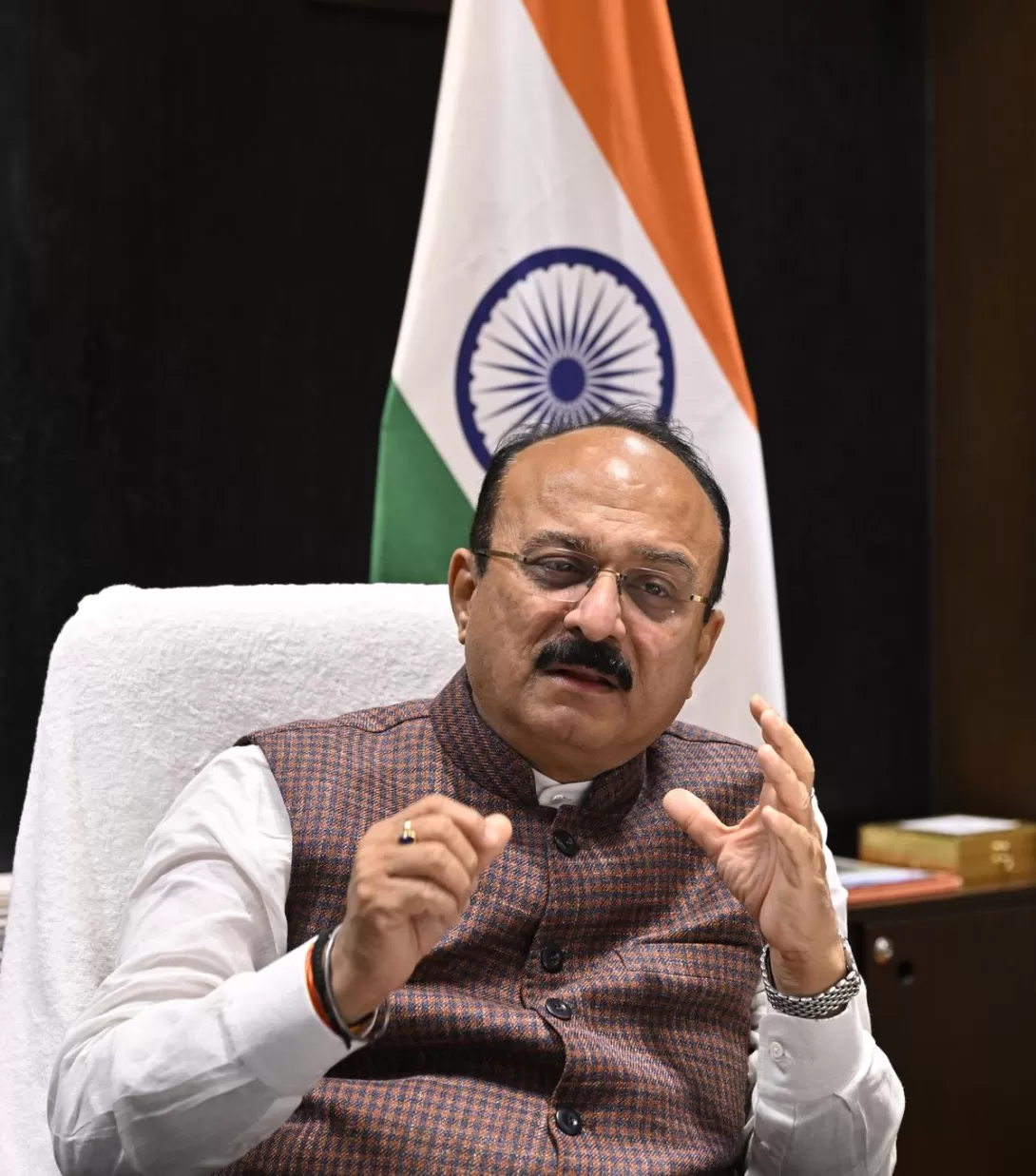
As the Delhi government celebrates its first 100 days in office, Education Minister Ashish Sood reflects on the significant strides made in education. From launching CM Shri Schools aimed at improving infrastructure and quality, to introducing innovative subjects like Rashtraneeti and Science of Living, the government is reshaping the educational landscape. Key initiatives also include tackling fee exploitation in private schools and phasing out the Delhi Board of School Education (DBSE), which was introduced by the previous government. Sood outlines these changes and what lies ahead for the capital’s education system.
A Vision for Transforming Delhi's Schools
The Delhi government's first 100 days have been marked by ambitious reforms in the education sector, spearheaded by Education Minister Ashish Sood. Reflecting on the government's achievements, Sood shared key plans that are set to redefine how education is delivered in the national capital. The government's agenda centers on enhancing school infrastructure, improving quality of education, and regulating private school fees to ensure that education remains accessible for all.
Two major achievements stand out in this early phase: the launch of CM Shri Schools, designed to rival private institutions in both infrastructure and educational quality, and the introduction of legislation aimed at regulating the fees charged by private schools. Sood emphasized that these changes are part of a broader vision to transform Delhi’s educational ecosystem, focusing on both modernizing infrastructure and promoting equitable access to quality education.
CM Shri Schools: A 360-Degree Transformation
The flagship initiative, CM Shri Schools, represents the government's commitment to closing the quality gap between private and public schools. These schools are set to feature state-of-the-art facilities, including smart boards, AI-driven teaching aids, and language labs. The curriculum will integrate all the verticals of the National Education Policy (NEP), ensuring a holistic and modern educational experience for students. In the initial phase, the government plans to upgrade existing school infrastructure, including buildings previously used for other educational initiatives. This approach allows for rapid implementation while ensuring that students benefit from improved learning environments sooner rather than later.
The goal of the CM Shri Schools is to offer an alternative to private schools, particularly for families who may not be able to afford high tuition fees. By providing cutting-edge facilities and resources, the government aims to level the playing field and offer all students an education that is both world-class and inclusive.
Regulating Private School Fees: A Commitment to Fairness
One of the key issues that Ashish Sood addressed in the first 100 days was the exploitation of parents by private schools, especially with regard to exorbitant fee hikes. The Delhi government has introduced new legislation aimed at curbing these practices and ensuring that school fees are justified and transparent. The law, although yet to be passed, promises to provide immediate relief by ensuring that any excess fees charged by private institutions are refunded to parents.
Sood pointed out that the government's intervention in cases such as DPS Dwarka has already resulted in justice for parents who were unfairly charged. A committee led by the District Magistrate was sent to investigate the matter, and court rulings have since provided relief for affected families. This proactive stance reflects the government’s determination to protect Delhi’s citizens from financial exploitation in the education sector.
Phasing Out the Delhi Board of School Education (DBSE)
Another major shift in Delhi’s education landscape is the phasing out of the Delhi Board of School Education (DBSE), which was introduced under the previous AAP government. Minister Sood confirmed that no new admissions would be taken under DBSE this academic year, signaling the government's intention to streamline the state’s educational system.
Sood criticized the dual education board system, which had created confusion and overlap. The CBSE (Central Board of Secondary Education) already serves as the national standard for schools across the country, and introducing a second, largely independent board in Delhi did not make sense, according to Sood. As the DBSE is phased out, the government plans to integrate its operations with existing systems, focusing on maximizing the effectiveness of a unified education framework.
New Subjects: Rashtraneeti and Science of Living
As part of the government's innovative approach to education, Sood unveiled two new subjects that will be introduced into Delhi’s schools: Rashtraneeti and Science of Living.
The Science of Living curriculum is designed to help students manage stress and anxiety, focusing on emotional wellness through techniques such as yoga, meditation, and mindfulness. The inclusion of teachings from renowned spiritual leaders like Sri Sri Ravi Shankar, Baba Ramdev, and Jaggi Maharaj will further enrich the course, providing students with tools to navigate emotional challenges in today’s fast-paced world.
Meanwhile, Rashtraneeti will focus on developing civic responsibility, patriotism, and environmental awareness among students. Topics such as keeping the Yamuna river clean and contributing to community welfare will be central to the course. The curriculum is still under development, but Sood emphasized that classes will begin this academic year, with the goal of instilling strong values in young minds while fostering a sense of national pride.
Addressing Funding Concerns for Delhi University Colleges
The Delhi government’s education reforms also extend to higher education. Sood addressed concerns over the funding of Delhi University colleges, which had faced financial instability. The government released a grant-in-aid to resolve funding issues on April 1, ensuring that salaries and infrastructure concerns were addressed. This was a key step in avoiding academic disruptions at these institutions, and Sood reaffirmed that new governing bodies would be formed in compliance with legal requirements.
Looking Ahead: A Vision for Equity and Excellence
As the Delhi government moves forward, Ashish Sood laid out the broader vision for the education sector. The government's biggest concern remains the protection of poor parents from being extorted by private institutions, which is why the strict enforcement of the new fee regulation law is a top priority.
In addition, a school ranking system will be introduced, similar to those in higher education, which will allow both government and private schools to compete based on performance. This initiative aims to foster healthy competition and improve standards across the board, ensuring that all schools—regardless of their affiliation—are held to high educational standards.
Conclusion: A Transformative Era for Delhi's Education System
With the first 100 days behind them, the Delhi government has laid the groundwork for a transformative era in education. From launching CM Shri Schools to regulating private school fees and introducing innovative subjects, Ashish Sood’s leadership marks a decisive step toward reshaping the capital’s educational landscape. As these reforms continue to unfold, Delhi’s education system may well serve as a model for the rest of the nation, balancing modernity with inclusivity and ensuring that every student has the opportunity to succeed.
Comments